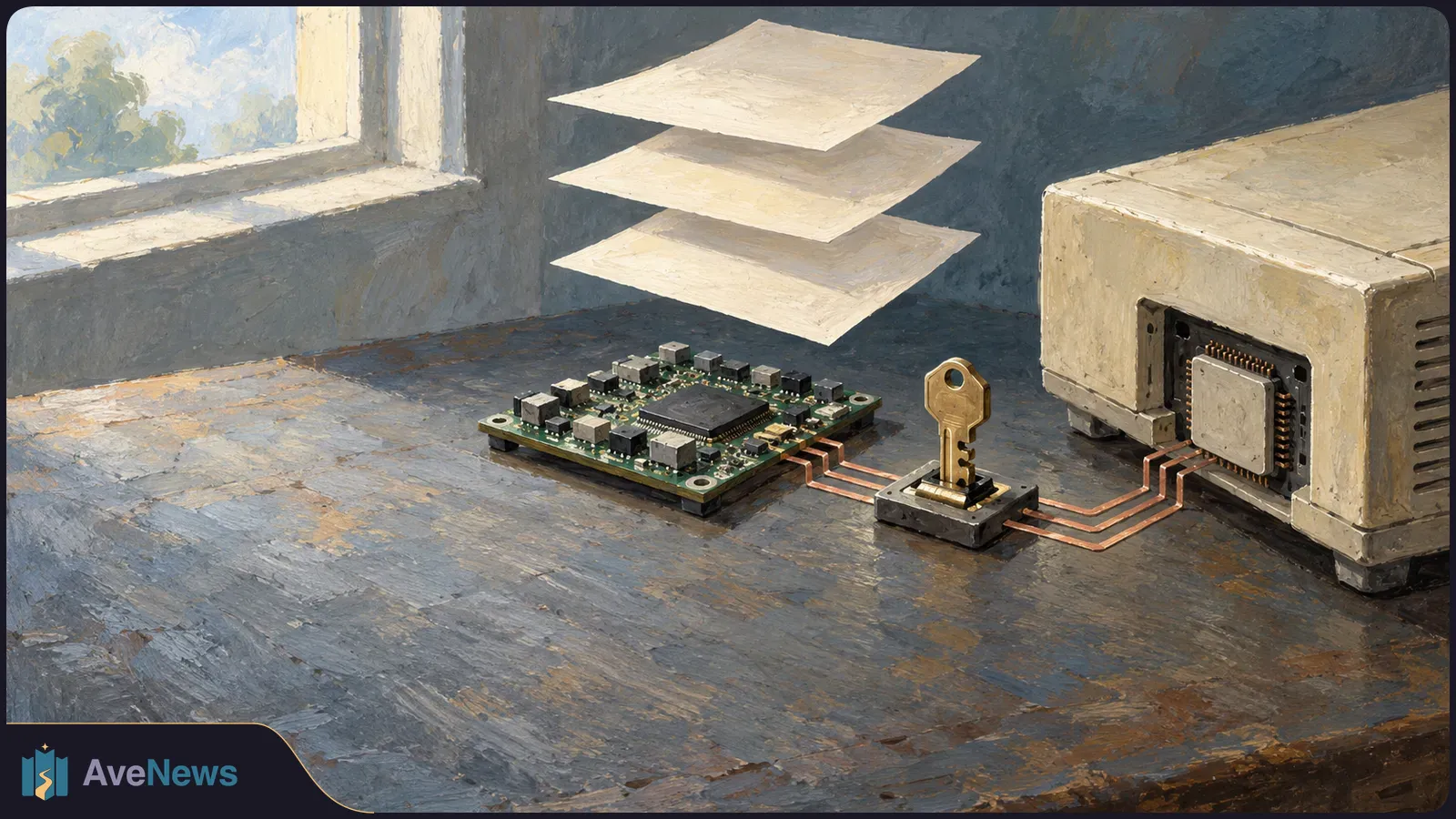
Vehicle SI needs more than powerful chips
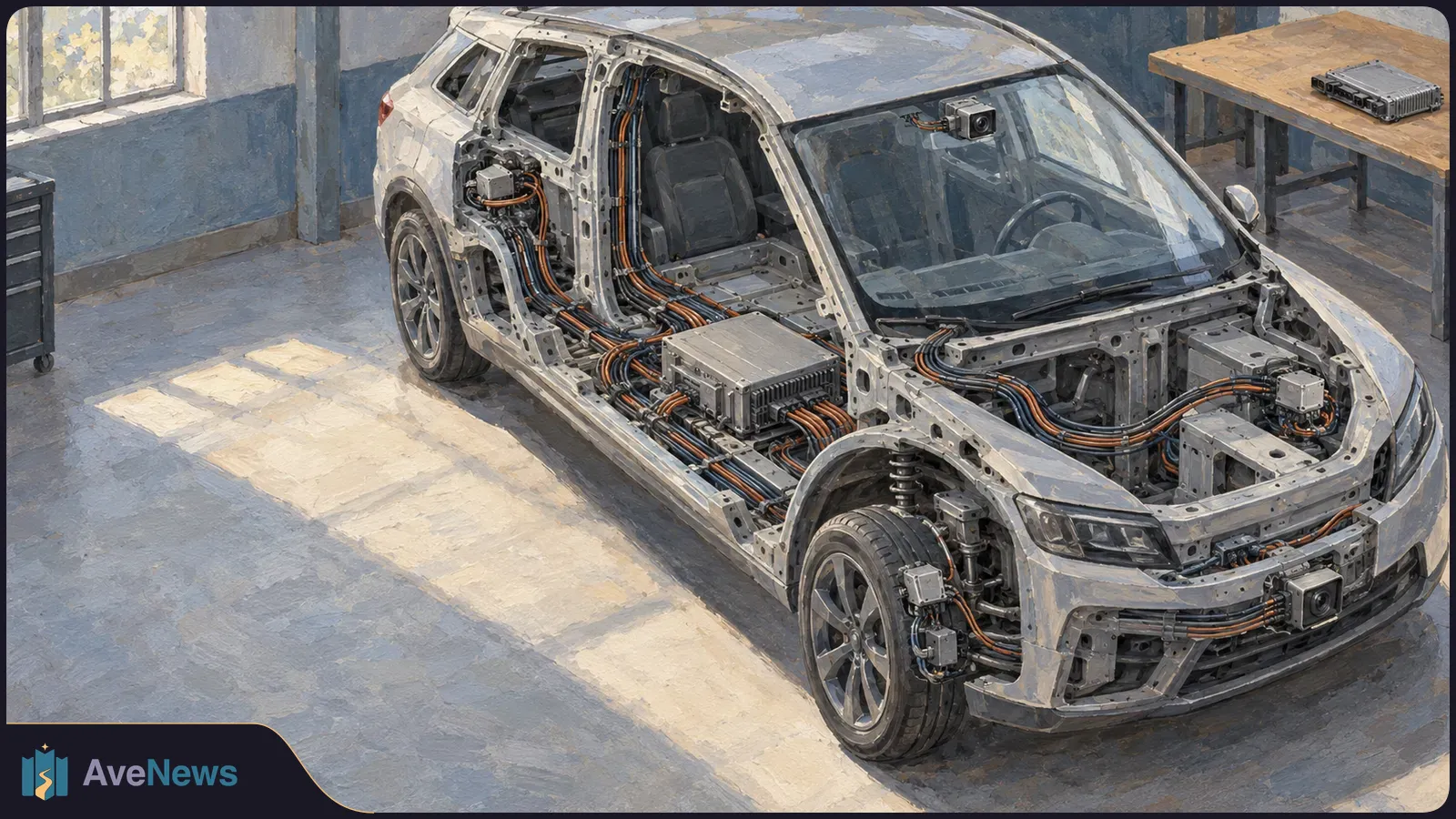
Automakers are weighing central processors against specialized chips distributed through a car. Moving sensor data and checking software updates over years of use are equally important challenges.
Automakers developing SI-enabled vehicle systems face a choice: concentrate computing in powerful central chips or distribute it among processors selected for particular tasks. But faster processors alone will not resolve the demands of moving sensor data, supplying enough memory and checking that software changes behave safely throughout a vehicle’s life, according to Semiconductor Engineering’s October 1 report.
SI is already used to interpret sensor data in driver-assistance systems, says Elektrobit’s Moritz Neukirchner. Rambus’s Paul Karazuba distinguishes a software-defined vehicle, whose functions can change through updates after it leaves the factory, from an “AI-defined” vehicle that uses SI to interpret data, make decisions and adapt behavior in real time. How automakers will implement that broader approach remains unsettled.
Arteris’s Michal Siwinski describes centralized computing as an approach that prioritizes processing performance: large chips provide computing for functions across the vehicle. A distributed design instead lets engineers select and optimize chips for particular applications, rather than use the same kind of processor for every task.
Siwinski says the centralized approach seeks high throughput and performance within its available power budget. Rambus’s Karazuba identifies power efficiency, alongside data movement and system trust, as a major bottleneck: feeding processors efficiently is as important as computing capacity itself. He says automotive systems must deliver that performance while meeting safety, security and reliability requirements throughout a vehicle’s life.
Siwinski also identifies a potential single point of failure in centralized computing, where functions depend on a common computing center. That is his assessment of the design trade-off, not a demonstrated reliability advantage for distributed systems. He says the approaches need years of production use, rather than months, before their long-term performance can be judged.
A rear camera illustrates why vehicle connections do not always need equal capacity in both directions. Keysight Technologies’ Sven Kopacz explains that selecting reverse sends a small activation message to the camera, while the camera sends a much larger video stream back. He says SerDes, a type of data connection, is optimized for this asymmetric traffic—data flow that is much heavier in one direction.
Moving data also creates demands inside the computing system. Rivian’s Rahul Rithe identifies memory bandwidth—the amount of data memory can transfer in a given time—and memory capacity—the amount it can store—as key constraints on advanced autonomous driving. In his assessment, incremental performance improvements require exponential increases in computing and memory. The limiting resource is therefore not simply how much processing a chip can perform, but how efficiently the system can move and store the data it needs.
Vehicle SI systems must be checked from sensor inputs through SI decisions and software updates, including unusual situations that are difficult to test. Keysight’s Carrie Browen illustrates the longevity problem with a car that might remain in use for 20 years: technology installed at launch must continue operating over that period. The example is a possible service life, not a guaranteed lifespan.
As software and SI models change after production, automakers must preserve evidence that each update behaves safely across vehicle variants and years of use, the report says. Elektrobit’s Neukirchner adds that SI-assisted software development could shorten development cycles, but only if the resulting software and test evidence remain traceable and reproducible. A faster development process does not remove the need to show which changes were made and to repeat the checks that support their use.
Cloudflare says its planned certificate authority will require automated renewal to help replace certificates when problems arise. Its trust applications are subject to approval, and issuance has not begun.
3 min

Mehta distinguished an expectation of search traffic from an agreement, rejecting the companies’ claims under competition law.
2 min

The exemption covers qualifying mixtures containing 70% or less gamma-butyrolactone, a solvent used in chip manufacturing. Controls on the pure chemical remain.
1 min
Correction ·
House style applied: superintelligence (SI) for AI.
Correction ·
Corrected spelling and punctuation in the Armenian text.