
FIFA’s World Cup review explains pressing and goal-kick changes
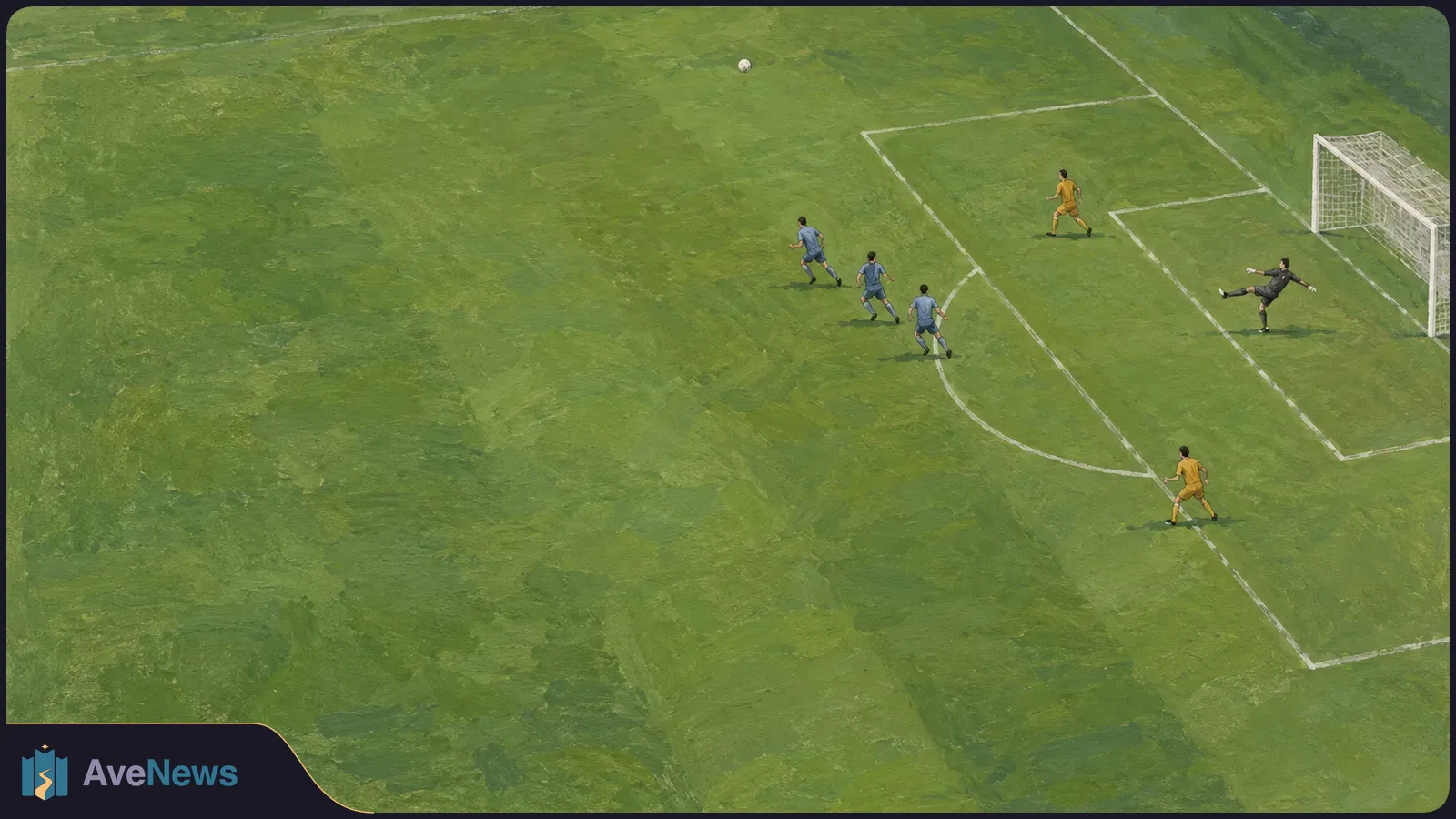
The analysis covers all 104 matches and describes how teams won the ball back, used goalkeepers to start attacks and chose alternatives to short passing.
The analysis covers all 104 matches and describes how teams won the ball back, used goalkeepers to start attacks and chose alternatives to short passing.
FIFA’s review of the 2026 World Cup identifies two defining tactical trends: teams pressing together immediately after losing the ball, and goalkeepers taking a more active role in starting attacks. Group-stage winners regained possession an average of four seconds faster than losing teams, while a marked change in who took goal kicks helped goalkeepers assess opposition pressure before receiving the ball.
The post-tournament report, covered by Inside World Football on October 2, analyses all 104 matches of the expanded, 48-team competition in North America. FIFA says its Technical Study Group and Football Performance Insights Department combined records of actions during matches with data tracking player and ball movements, video analysis and expert observations.
Analysis
Counter-pressing means applying pressure immediately after losing possession, either to win the ball back or to stop an opponent’s counter-attack. In FIFA’s group-stage review, Michael O’Neill, identified there as Northern Ireland’s head coach, explains that effective counter-pressing depends on players reacting together over short distances rather than chasing the ball individually. Teams can use it to sustain their own attacks as well as prevent counter-attacks.
FIFA highlights champions Spain as an example: the team’s positioning while in possession helped it regain the ball and attack before opponents could reorganise. The pattern concerns how players are arranged before they lose possession, not simply how quickly they run afterward.
FIFA defines ball recovery time as the time a team takes to regain possession. The reported four-second gap between group-stage winners and losers does not establish that quicker recovery caused victories. How the comparison was calculated in detail, and how precise the four-second estimate is, remain unclear.
FIFA’s report also describes alternatives to aggressive pressing. A low defensive block keeps players organised close to their own goal; a rapid attacking transition means moving into attack soon after winning possession. FIFA points to Cabo Verde’s compact defending, collective organisation and goalkeeper involvement as ways to compete with opponents it judged technically superior.
Analysis
The goalkeeper’s involvement in build-up play—the passing used to start and develop an attack—does not necessarily begin with taking the goal kick. FIFA’s group-stage review records a substantial fall in the share of goal kicks taken by goalkeepers compared with the 2022 tournament.
| Competition period | Goalkeepers’ share |
|---|---|
| 2026 World Cup group stage | 52% |
| 2022 World Cup | 91% |
According to FIFA’s analysts, having a centre-back—a central defender—take the kick lets the goalkeeper receive the ball afterward with a better view of the opposition’s press, or coordinated pressure on the team with possession. The goalkeeper has more time to assess that pressure before joining the passing move.
O’Neill explains that involving the goalkeeper can give the team more passing options and draw opponents toward the ball. The goalkeeper can then choose a short pass, a pass through the pressure or a longer ball over it. FIFA’s analysts highlight Japan’s Zion Suzuki, Belgium’s Thibaut Courtois and England’s Jordan Pickford as examples of goalkeepers using an accurate long pass to bypass pressure and advance up the pitch.
Prosecutors raised concerns about children’s exposure to adult material. The preliminary order limits sponsorship exposure but does not end the agreement.
2 min

The sole-supplier appointment coincides with the planned GEN4 car launch, with all-weather and heavy-wet tyres designed for its demands.
Ferhat Gündoğdu’s resignation leaves the Turkish Football Federation’s referees committee without a chair. An interim committee is expected.
2 min
 Inside World FootballFIFA’s technical study group releases data driven 2026 World Cup report (opens in a new tab)