UN elects Lee, Akande and others to International Court of Justice
Rena Lee, François Alabrune and Dapo Akande won seats, while Mahmoud Daifallah Hmoud and Phoebe Okowa were re-elected. All five begin nine-year terms on 6 February 2027.

In this article
The UN General Assembly and Security Council elected five judges to the International Court of Justice on 3 November, filling a third of the 15-member court. The seats come up for election every three years to preserve continuity.
Lee of Singapore, Alabrune of France and Akande of the UK were elected for the first time; Hmoud of Jordan and Okowa of Kenya won re-election. Their terms begin on 6 February 2027, according to the UN voting record cited by VnExpress International.
The court settles legal disputes between states and gives advisory opinions on questions submitted by UN bodies. It is separate from the International Criminal Court, which prosecutes individuals for crimes including genocide and war crimes.
A split over the final seat
Candidates needed an absolute majority in each body: at least 97 votes in the General Assembly and 8 in the Security Council. The two bodies held separate secret ballots at the same time.
Lee, Alabrune, Akande and Hmoud won the required majorities in the first round. The fifth seat went to a third round after the Assembly backed Okowa and the Council backed Ecuador’s Marcelo Vázquez-Bermúdez. Okowa won after Ecuador, Sierra Leone and South Korea withdrew their candidates.
Experience on the bench
Lee, Singapore’s ambassador for international law, is the first Singaporean and the first Southeast Asian woman elected to the court. She presided over the UN conference that negotiated the high seas treaty, adopted in 2023 to establish binding rules protecting marine life in international waters. Lee said she looked forward to serving with independence, impartiality and integrity.
Akande is a professor of public international law who has acted as counsel, adviser and expert before international courts, including the ICJ. He originally qualified as a lawyer in Nigeria, is a fellow of All Souls College, Oxford, and is an elected member of the UN International Law Commission. He pledged to serve independently and apply the law impartially. Alabrune, a French diplomat and jurist, has represented France before the ICJ as director of legal affairs and legal adviser to its foreign ministry, posts he was appointed to in 2014. From 1996 to 2000, he was legal adviser to France’s UN mission in New York.
Cases before the court
Court President Yuji Iwasawa told the General Assembly on 29 October that a record 24 contentious cases were pending, involving issues including territory, human rights and treaty interpretation. They include South Africa’s case accusing Israel of violating the Genocide Convention in Gaza; the court has ordered provisional measures but has not issued a final ruling on whether genocide occurred.
The court has scheduled a judgment for 19 November in The Gambia’s case accusing Myanmar of genocide against the Rohingya minority.
Earlier in Politics
 Conflict
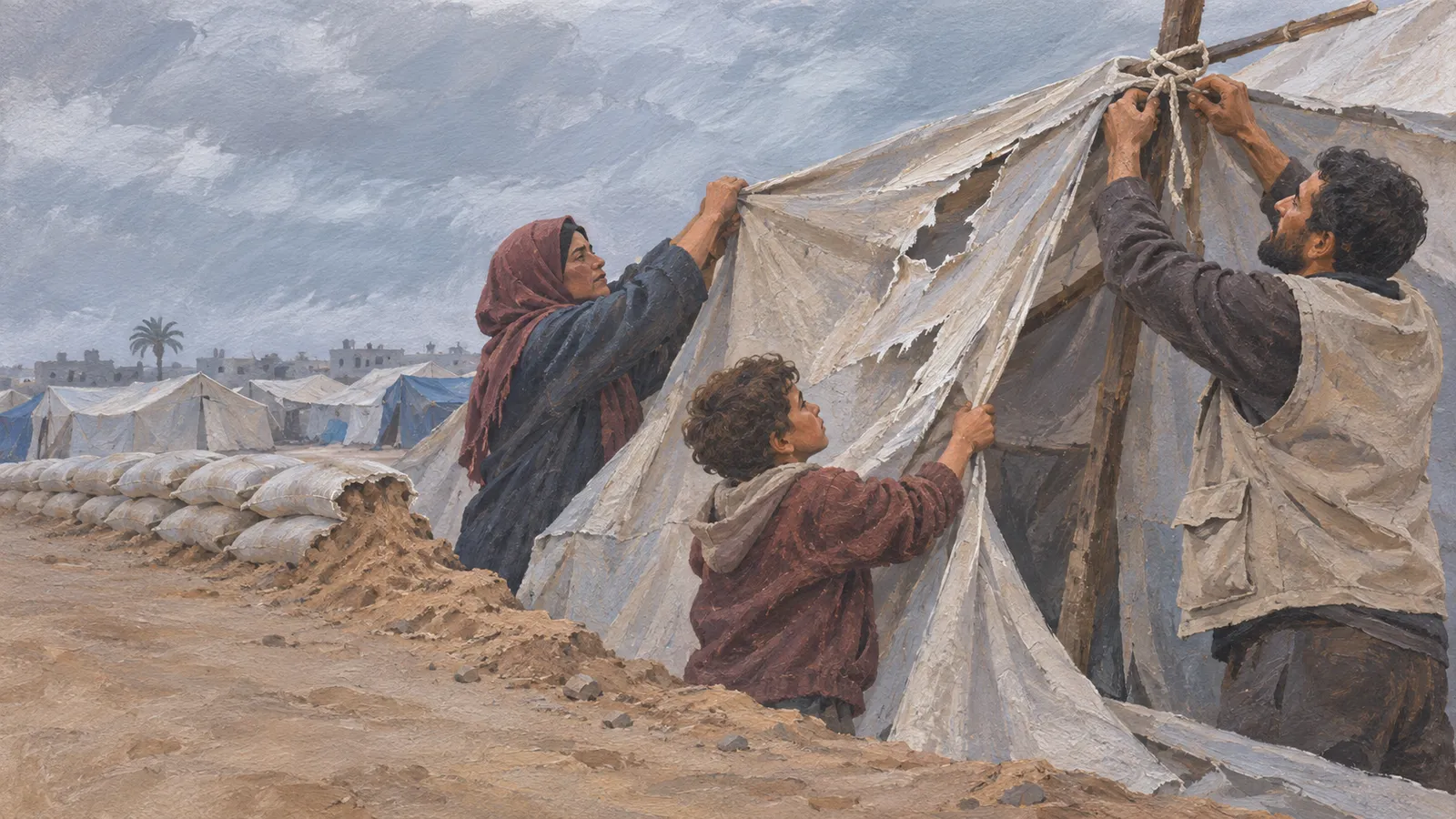
Gunfire damages tents in Rafah and reportedly injures people, UN says
A humanitarian NGO left the area after the November 3 gunfire, interrupting flood-control work ahead of the rainy season, the UN aid coordination office said.
2 min
 Elections
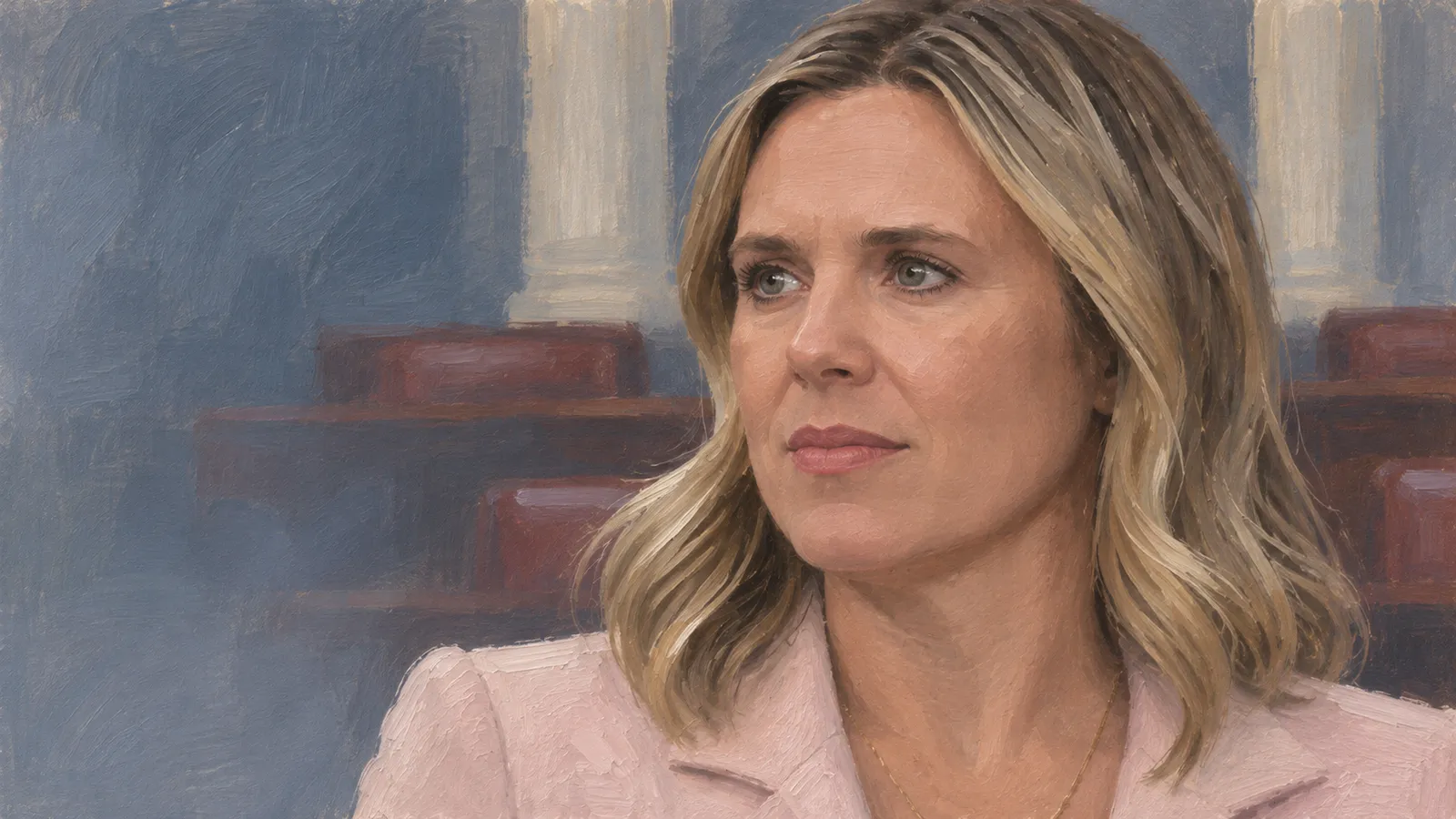
Annie Andrews wins South Carolina US Senate race
NBC News and Fox News called the race for Andrews. In Maine, Jen Psaki said a source told her Senator Susan Collins had conceded to Troy Jackson, before major networks declared a winner.
1 min
 Rights
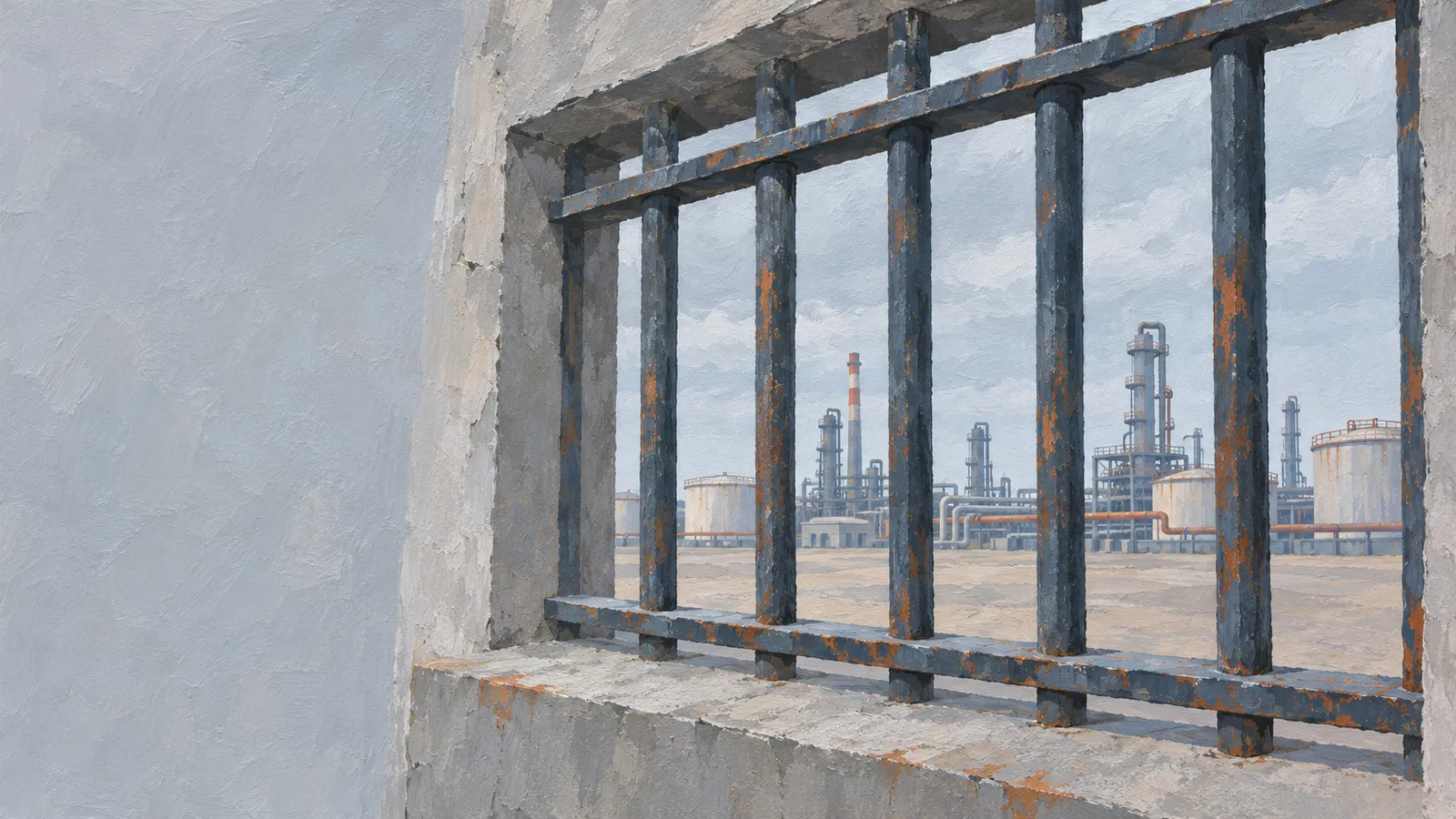
Iraq court sentences ex-oil official Hussein Talib Abboud to 8 years
The court also ordered Abboud to repay 55 billion Iraqi dinars after a case involving contracts at the North Refineries Company.
2 min