
Abadi Al Johar: Saudi roots, songs for the Arab world
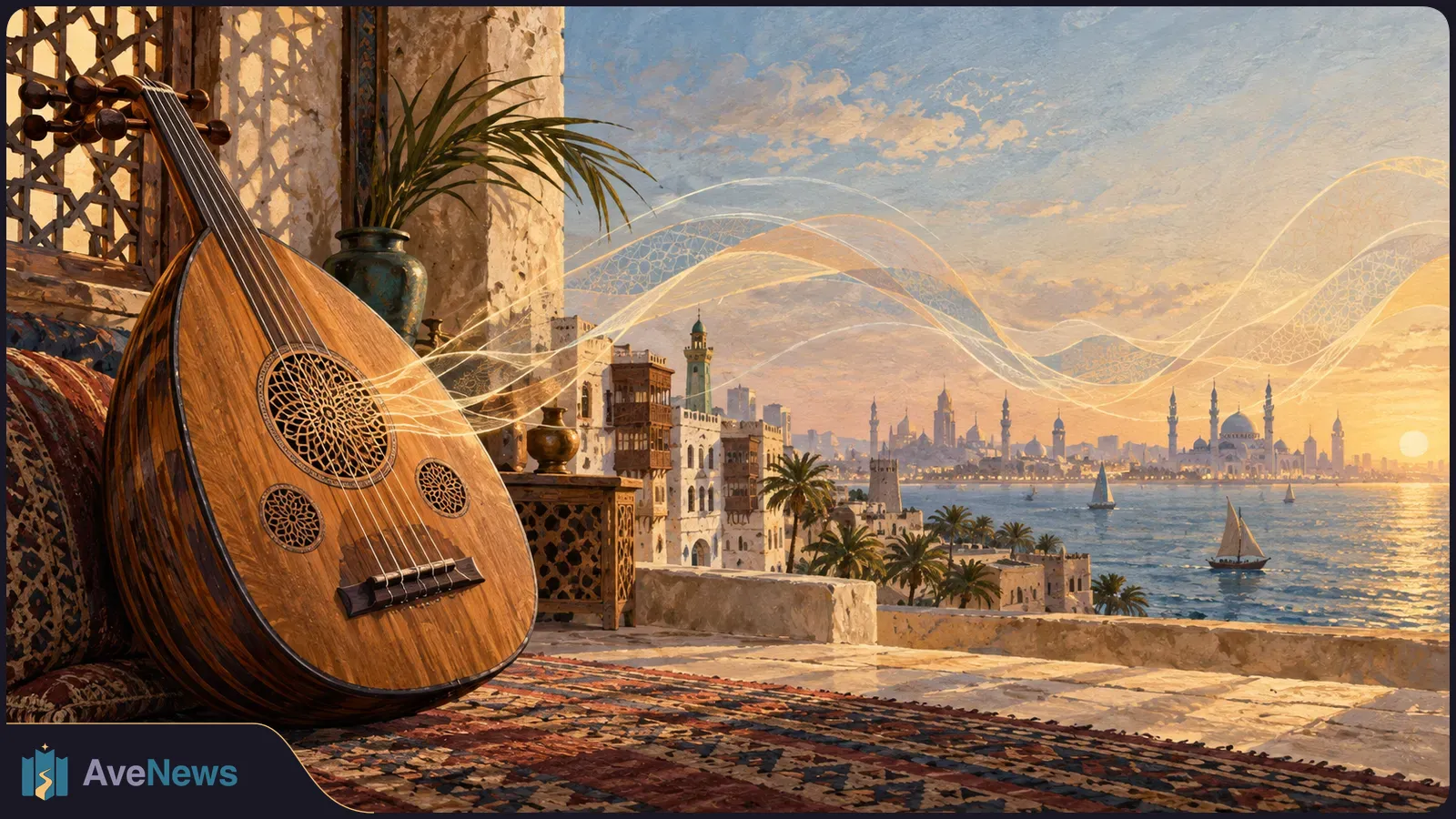
In a Billboard Arabia interview, the oud player, singer and composer recalls his mentorship under Talal Maddah and explains the Saudi elements he seeks to retain when reaching wider audiences.
In a Billboard Arabia interview, the oud player, singer and composer recalls his mentorship under Talal Maddah and explains the Saudi elements he seeks to retain when reaching wider audiences.
Saudi oud player, singer and composer Abadi Al Johar describes writing for singers across the Arab world without leaving Saudi musical traditions behind. In a Billboard Arabia interview published by Billboard on October 1, 2026, he connects that approach with a career that began under the guidance of singer and composer Talal Maddah.
The interview traces Al Johar’s early practice to Jeddah in the 1960s. He spent long hours playing the oud, determined to surpass his older brother, who already played the instrument. According to the profile, a nearby poet and media figure, Lutfi Zaini, heard him and took him to Maddah’s home. Al Johar was about 14; Maddah was already a leading Saudi singer, composer and performer.
Al Johar recalls that Maddah immediately offered to compose two songs for him. Their relationship grew beyond that first encounter: Al Johar says he visited Maddah every day during the following six years. That closeness eventually gave him the confidence to ask his mentor to sing one of his own compositions.
Maddah accepted, Al Johar says, and sang “Taweela Ya Droub Al Asheqeen” (Long Are the Roads of Lovers) in 1976. The collaboration reversed their earlier roles: the younger musician who had sung Maddah’s compositions was now writing music for him.
Other singers brought Al Johar’s compositions to audiences across the Arab world. The profile highlights Assala’s “Qad Al Horouf” (As Many as the Letters), alongside his compositions for Rabeh Saqer, Samira Said and Ahlam. These collaborations extended his work beyond his own performances.
Al Johar calls these works “Arab compositions”: music that, in his view, can resonate with listeners from the Atlantic to the Gulf while retaining Saudi elements drawn from local heritage and the compositional traditions of the Arabian Peninsula. His account presents a wider audience and a distinct local musical identity as compatible aims.
He says that when he and other Saudi artists performed abroad, they insisted on preserving that identity in the lyrics, musical structures and rhythms. In his account, concerts, appearances and cassettes helped Saudi music spread before social media. He also sees more material to explore at home: Saudi artists, he says, have sung only a small part of the country’s rich folk traditions.
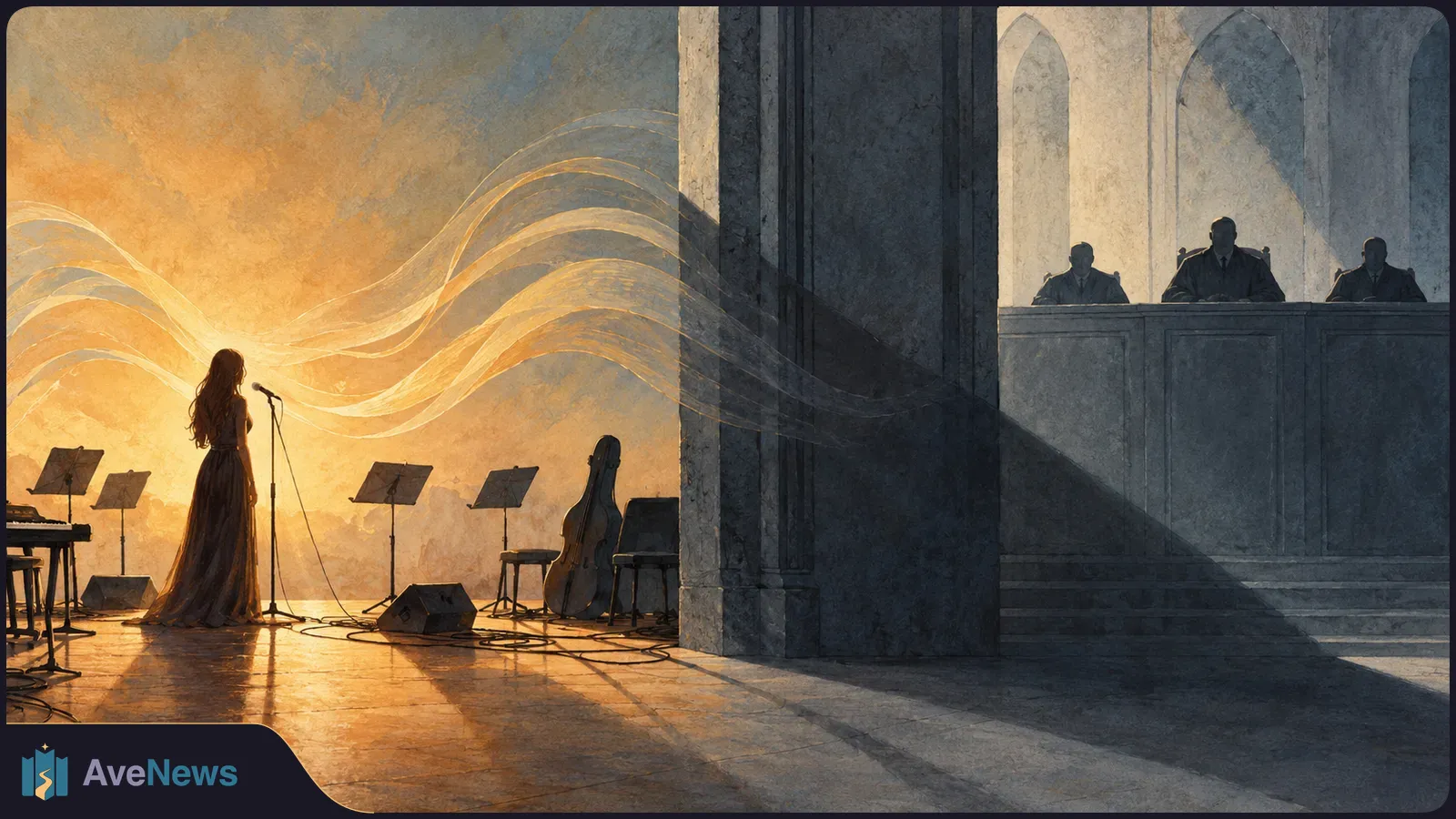
The case concerns her 2024 concert without a hijab. Eight production-team members were also sentenced in June, when the ruling imposed two-year bans on artistic work and leaving Iran.
2 min

The A24 film adapts a 2009 Esquire article about a police sting in which a Texas prosecutor died by suicide. Hansen contests its dialogue, chronology and portrayal of his team’s motives.

The Dutch literary publisher completed its departure in August 2026. Its directors explain the commercial pressures behind the split and the practical work of running independently.
3 min
3 min
