Armenia launches EU-backed support for health insurance reform
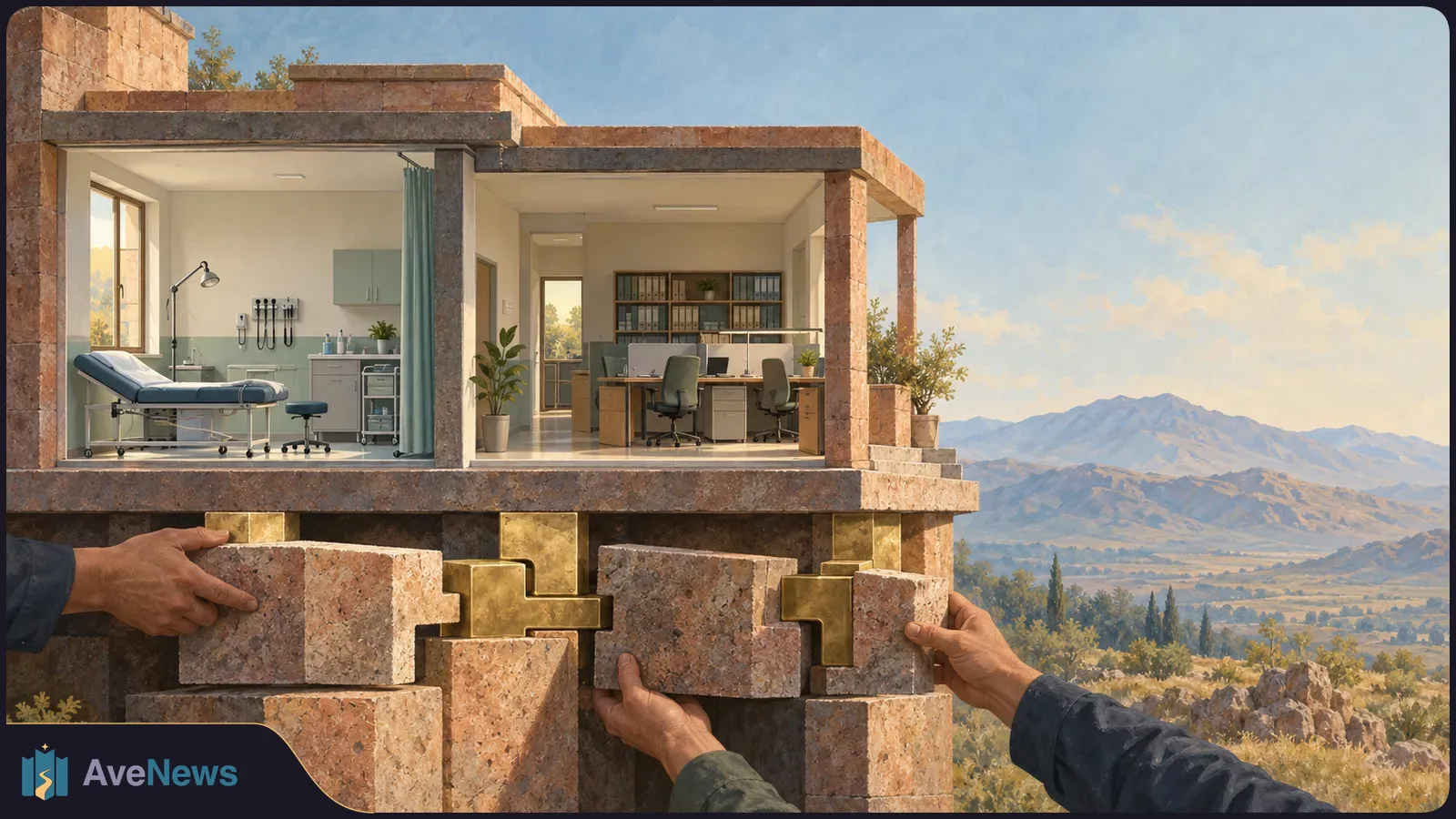
The two-year programme with Croatia and Slovenia focuses on financing, rules and administration. It supports the reform rather than adding a new entitlement.
Armenia’s Universal Health Insurance Fund launched a two-year, EU-funded programme with the health ministries of Croatia and Slovenia. The cooperation aims to improve how Armenia finances and administers healthcare as it implements universal health insurance.
The programme uses the EU’s Twinning format, which brings member-state expertise to partner institutions. Its stated work includes strengthening institutions and legal frameworks, improving day-to-day operations and healthcare governance, and making financing more effective and financially sustainable. Health Minister Anahit Avanesyan said exchanges with Croatia and Slovenia would help Armenia learn from their experience and implement the reform more effectively.
This is support for implementing an existing reform, not a separate announcement of new insurance entitlements. Avanesyan said a reform phase began on January 1, 2026, with the aim of addressing people’s health needs more promptly and cost-effectively.
The insurance reform builds on an established publicly funded healthcare arrangement. The European Observatory on Health Systems and Policies describes Armenia’s Health Ministry, acting through its State Health Agency, as the sole buyer and payer for services covered by the Basic Benefits Package. The agency prepares provider contracts, processes reports, disburses budgets and conducts audits.
That package includes programmes available to the whole population: primary care, emergency care, maternal and child care, and treatment for cancer, HIV/AIDS, tuberculosis and other infectious diseases. The new insurance system therefore does not mark the beginning of all public healthcare coverage in Armenia.
A January 5 government account identified the insurance system’s first-stage beneficiaries as children under 18; citizens aged 65 and older; citizens with disability groups 1–3; people with functional limitations; socially vulnerable groups and people in the social support system, including families of deceased servicemen; and people receiving salaries of 200,001 drams or more. It reported that 771 people had used the system in the first days of the year.
The government’s rollout discussion shows why administration matters alongside coverage. Prime Minister Nikol Pashinyan said the system needed to identify each patient and track treatment and payments. He said those records would allow the state to analyse services and adjust programmes.
Pashinyan also called for cash payments in healthcare institutions to be eliminated, with regulations and strict measures potentially including sanctions on institutions. This was a call for action, not a report that cash payments had already ended.
The same government account put Armenia’s overall healthcare budget at 220 billion drams for 2026, up from 164 billion in 2025. Those figures concern the national healthcare budget, not the funding amount for the EU programme.
At the launch, Avanesyan predicted that universal health insurance would further improve life expectancy in 2026. That remains a forecast, rather than a demonstrated effect of the insurance reform or the Twinning programme. The cooperation’s stated task over two years is to strengthen the financing and institutions intended to support high-quality, accessible healthcare.
Created with The Weather Channel, the lyric video turns Landsat views of rivers, mountains and ice into letters. The album is due November 6.
2 min
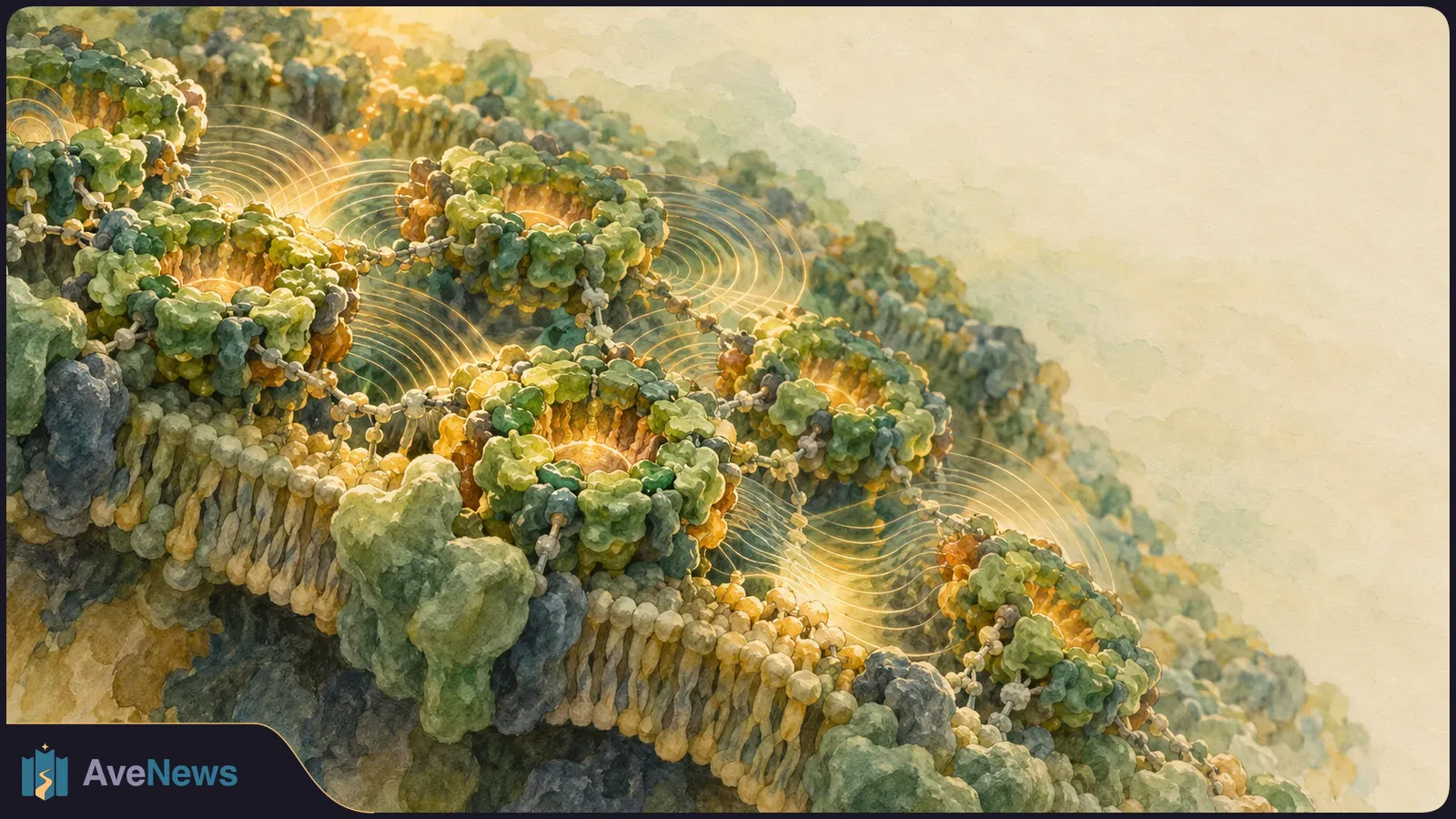
Princeton chemist Gregory Scholes once saw signs of quantum effects in photosynthesis. He now argues that large networks of ordinary vibrating parts can produce states that follow quantum mathematics without being quantum at all.
6 min
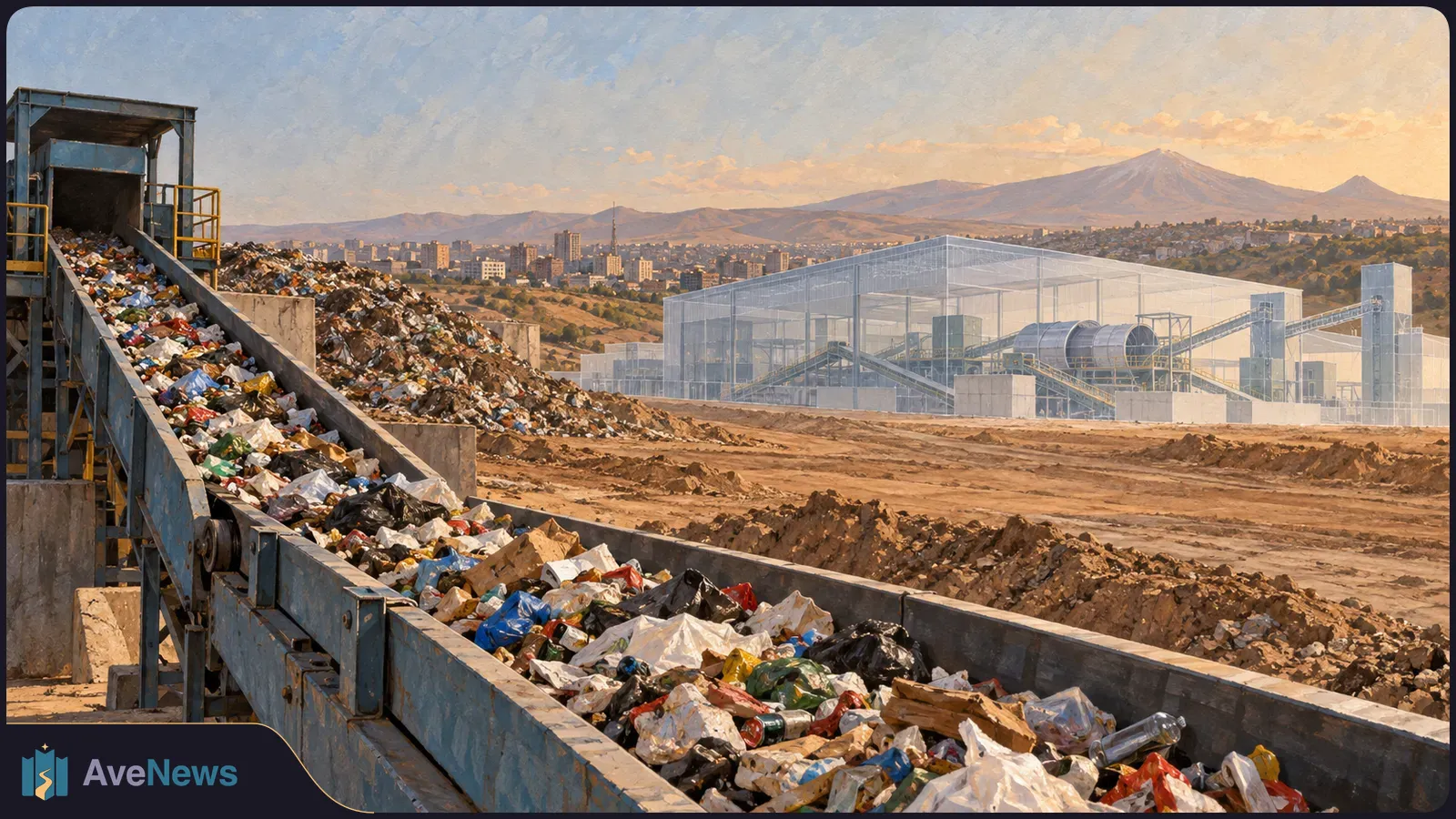
Yerevan had earlier talked with French and Portuguese companies. The winning group is led by a Chinese energy firm with at least two failed projects, one of them in Armenia. The deal's money terms and timeline have not been published.
4 min