Loading… Բեռնվում է…
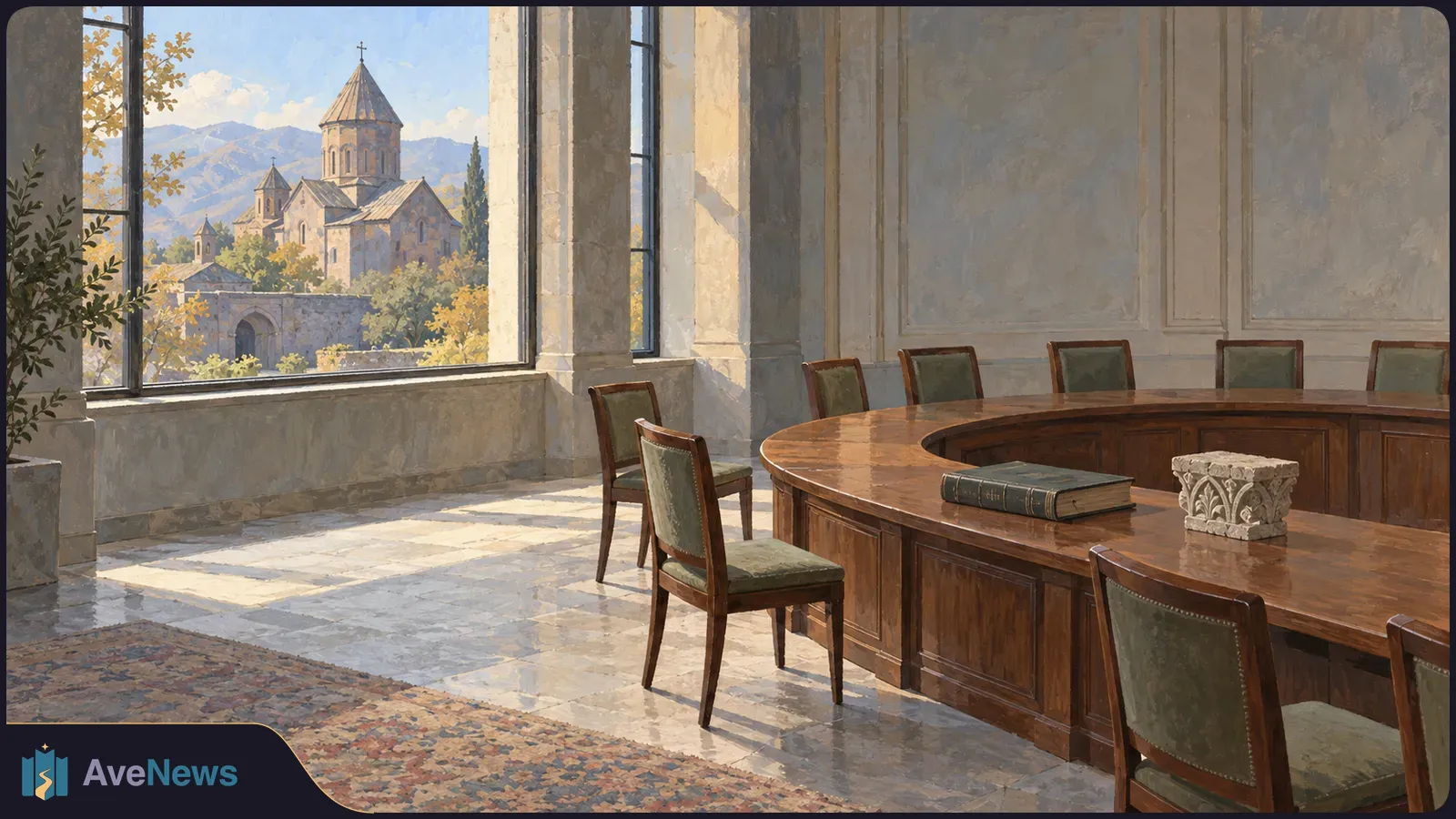
Azatutyun reports seven governing-party MPs for the Church inquiry, conflicting with an earlier six-seat account, as members plan to examine property taxation.
Armenia’s governing Civil Contract party leadership selected seven MPs for the parliamentary inquiry into the Armenian Apostolic Holy Church, Azatutyun reported on 14 October. The party advances the peace agenda, the peace treaty and normalization with Azerbaijan and Turkey. The inquiry’s agenda includes possible legislative changes and rules for taxing Church property.
The seven-MP tally conflicts with Hetq’s 9 October account that parliament had approved six seats, all occupied by Civil Contract MPs. The commission’s formally approved size remains unclear; the reported selection does not establish a parliamentary expansion.
Speaker Ruben Rubinyan announced the inquiry’s establishment on 2 October, Armenpress reported. His statement said it arose automatically under Article 20 of parliament’s constitutional rules of procedure at the request of at least one-quarter of all MPs, leaving the membership size for the next regular sitting. Its mandate concerns what the statement characterised as a crisis caused by certain clergy and a resulting failure to fulfil the Church’s mission in Armenians’ spiritual life, national culture and national identity. These are the allegations defining the inquiry, not its findings.
MP Eduard Aghajanyan said he was already working with a colleague on a Church-related legislative proposal and cited that work as the reason for his inclusion in the commission. He said all property recorded as Church assets is exempt from taxation, regardless of its designated purpose.
Azatutyun identified legislative changes and new rules for taxing Church property as subjects on the inquiry’s agenda. Property taxation is therefore under examination, rather than an enacted tax change.
Commission member Taron Chakhoyan distinguished the inquiry from Church reform: he said members would identify problems, not act as reformers. That distinction separates the parliamentary investigation from proposals about how the Church should govern itself.
Hetq’s 9 October account described a membership without opposition MPs or independent theological experts. Legal experts and opposition lawmakers accused the commission of serving a political purpose rather than conducting an objective investigation. Azatutyun reported on 14 October that the parliamentary opposition had declined to participate from the outset, calling the inquiry unconstitutional interference in Church autonomy.
Azatutyun reported on 5 October that the committee was intended to have 11 members, but opposition MPs had declined to participate. Parliament approved the composition proposal on 6 October with 62 votes in favour, all from Civil Contract, after opposition MPs left the chamber. MPs shoved one another and threw objects during the sitting; security personnel intervened to restrain MPs, and Rubinyan called a recess, Azatutyun reported.
At a briefing on 8 October, Prime Minister Nikol Pashinyan said recommendations should resolve what he called a crisis and prevent its recurrence. He proposed legal guarantees for parish and diocesan councils—Church councils at local and regional levels—to function and exercise their powers. He argued that the Church comprises believers, including clergy, rather than clergy alone. These remain proposals, not enacted changes.
Pashinyan said the Church should choose clergy conduct rules through the National Ecclesiastical Assembly or the Assembly of Bishops, including whether to retain celibacy requirements. He proposed legal mechanisms to enforce the Church’s chosen rules and attach consequences to breaches, rather than government selection of those rules. Azatutyun described the National Ecclesiastical Assembly as the Church’s highest governing body, which elects the Catholicos, the Church’s leader, and adopts its constitution and amendments.
He also proposed social protections for clergy. Pashinyan claimed priests cannot use the income-tax-refund programme to buy housing, although tens of thousands of Armenian citizens use it. He said clergy also cannot benefit from universal health insurance because they are outside the income-tax system.
Hetq reported critics’ argument that Civil Contract MPs dictating Church charters and demanding leadership changes would violate Article 17 of Armenia’s Constitution, which separates religious organisations from state governance. That is their constitutional objection, not a court ruling.
The Strong Armenia and Armenia opposition factions called the inquiry unlawful and unconstitutional. Armenia faction leader Anna Grigoryan argued that parliament should instead examine government interference in Church affairs. Inquiry chairman Arman Yeghoyan, a Civil Contract MP, countered that clergy had also violated the separation of Church and state, Azatutyun reported on 6 October.
Azatutyun reported on 8 October that the Mother See, the Church’s central authority, opposition figures and several rights advocates challenged parliament’s authority on the same separation grounds. Pashinyan defended the inquiry by citing the constitutional provision allowing relations between Armenia and the Armenian Apostolic Holy Church to be regulated by law.
The proposed provisions, how compliance with Church rules would be enforced and any implementation timetable remain unclear. The committee’s next task, as Pashinyan described it, is to produce legislative recommendations. In the 14 October report, Chakhoyan said the commission might hold its first meeting that week.
The rise is smaller than the Social Market Foundation’s proposed 40% rate. British racing’s governing body warns of a possible £57 million annual loss and plans urgent talks with the government to reduce the impact.
1 min

The court extended the former Armenian finance minister’s custody by two months. His German surgeon says he urgently needs spinal surgery abroad, while state experts dispute the need and say an indicated operation could be performed in Armenia.
6 min
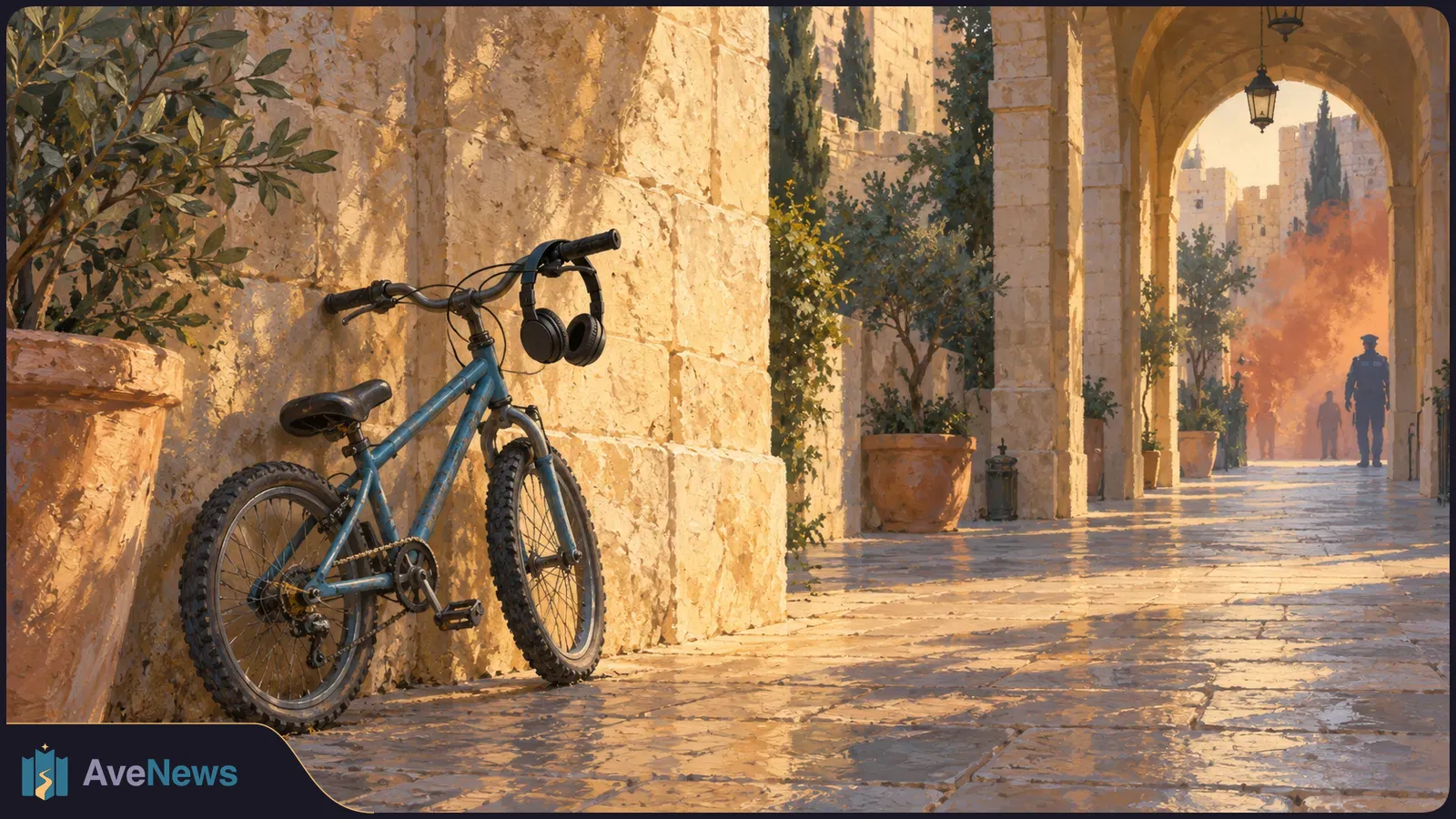
Israeli police arrested a 22-year-old man over the pepper-spraying of a 9-year-old Armenian Christian boy. He was reportedly targeted for riding a bike and wearing headphones on the Jewish holy day, and a journalist said it was the second attack on the same child.
2 min