
Balaghat child deaths: infections and barriers to care
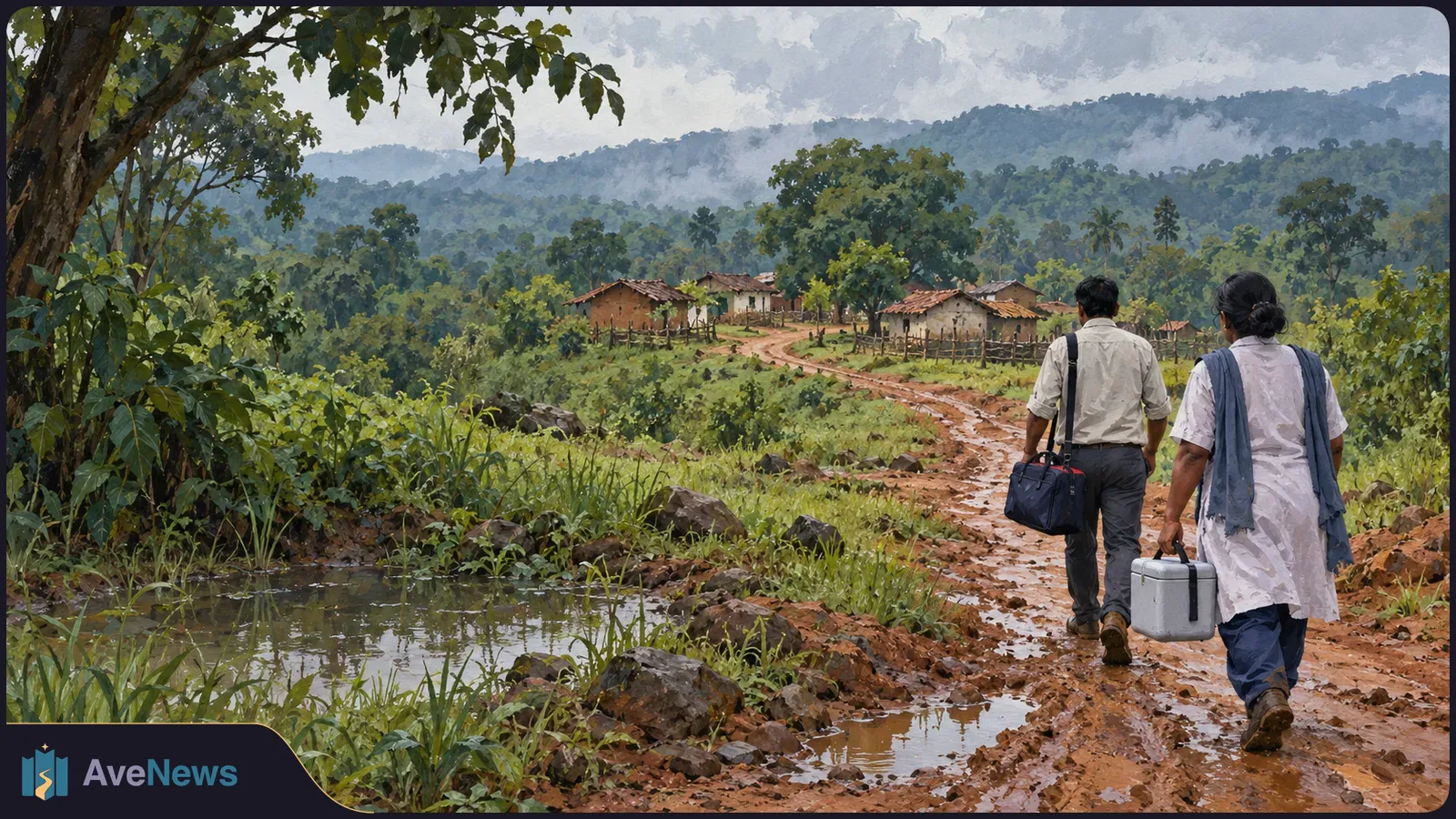
Officials linked at least 32 deaths mainly to measles and malaria, possibly worsened by malnutrition and delayed care. Individual causes remain uncertain.
At least 32 child deaths had been recorded since May in remote villages in Balaghat district, in India's Madhya Pradesh state, officials told the BBC in a report published on 30 September 2026. Officials attributed the deaths mainly to measles and malaria, possibly aggravated by malnutrition and delays in treatment. The precise cause of each death remained uncertain.
Those who died ranged from babies aged three or four months to an 18-year-old. Most were from the Baiga community, which India classifies as one of its 75 “particularly vulnerable tribal groups”. The BBC's reporting described several overlapping problems: infections, poor nutrition, difficult journeys to medical care and a response that began weeks after children started dying.
An investigation by the ICMR-National Institute for Tribal Health Research tested 10 samples collected from affected villages on 7 August. Six tested positive for measles and four were negative. Those results confirmed measles in the tested samples; they did not establish what caused every death.
Fever and rash did not point to a single illness. Some children also had scabies, fungal infections or bacterial skin infections alongside suspected measles and malaria. Malaria regularly occurs in the district, and doctors cautioned that it did not necessarily follow measles. Nor was every fever and rash a case of measles.

The BBC reported widespread malnutrition among the children and diets often dominated by rice and lentil soup, with too little protein and variety. Public health researcher P Shirisha told the BBC that reduced access to forests and land, changes in cultivation and greater reliance on farm labour had narrowed the Baiga community's traditionally varied food supply.
For families in the remote villages described by the BBC, the nearest state hospital was a 100-bed facility in Birsa, about 70km away. Without a vehicle, reaching it could require travel along muddy tracks by motorcycle or on a makeshift bamboo stretcher, as well as losing a day's wages. Heavy monsoon rain could make the tracks impassable.
Three-year-old Bamita Markam's mother first took her to a doctor. When Bamita later became seriously ill, heavy rain, slippery tracks and a lack of transport prevented the family from getting her to hospital. Some families also delayed or refused treatment because they believed certain illnesses marked the arrival of a disease goddess and that treatment before a ritual ended could cause death. These beliefs operated alongside the financial and physical barriers to care.
Children had already been dying for weeks before local authorities clearly recognised the outbreak. On 21 July, village council chief Parshuram Dhurwey heard that two children in one Bondari household had died. After hearing of another death the next morning, he contacted officials and visited the area. He described widespread fever, rashes and undernutrition; government medical officer Nimish Gautam found severely dehydrated children.
Once the outbreak was recognised, health workers began checking children door to door. Mobile medical units brought oxygen, malaria tests, medicines and other treatment equipment to more than 20 affected villages. Gautam said more than 6,200 patients, mostly children, were treated at home and more than 630 were referred to district hospitals.
Vaccination records and conditions in the villages did not fully match. Official records suggested 90–95% coverage in some areas, but health workers encountered children without vaccination records and families reluctant to vaccinate. Those observations do not establish the actual coverage rate. Authorities offered the measles-rubella vaccine, which protects against both diseases, to all children under 15 regardless of their recorded vaccination status. Gautam said roughly 27,000 of about 40,000 children identified in Birsa had received the vaccine.
By their late-September assessment, officials said the outbreak had subsided and the last child death had occurred more than two weeks earlier. Health teams continued visiting the villages, where reaching children for treatment, vaccination and basic nutrition remained a concern.
A galaxy cluster bends the explosion’s light along different paths. The timing of another image could help astronomers work out how the cluster’s mass is distributed.
2 min

The nondisclosure pledge covers government agencies involved in projects. Annual reporting would also cover efficiency and the share of electricity from carbon-free sources.
4 min
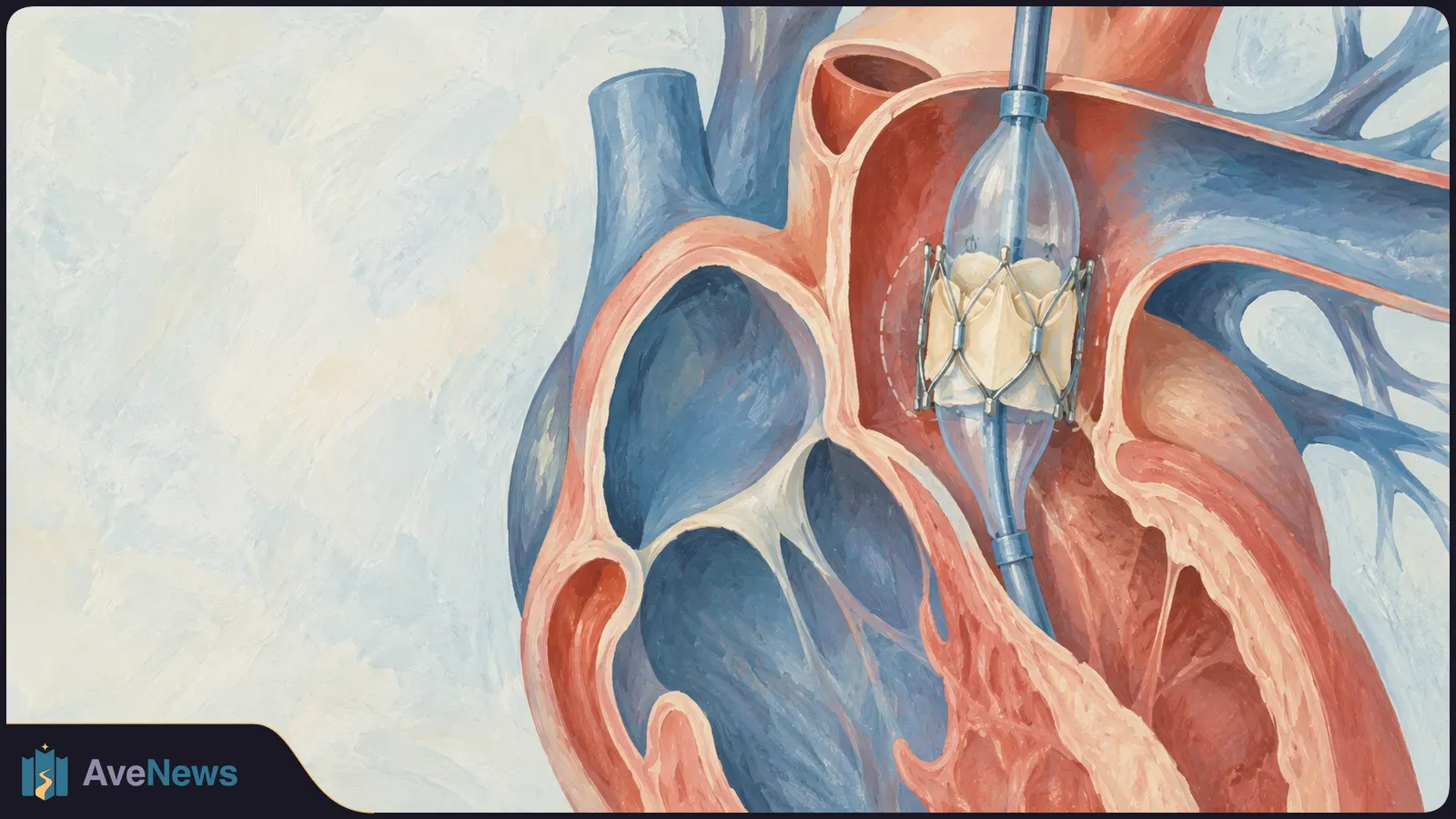
Edwards’ Autus valve can be enlarged after implantation as a child grows, potentially reducing the need for replacement surgery.
2 min
Corrected spelling and punctuation in the Armenian text.
