Ukraine and allies call on Russia to agree to winter energy truce

After talks in Berlin on 19 November, the leaders of Ukraine, Germany, France and the UK also called for binding security guarantees after a ceasefire and direct Ukraine–Russia talks with US and European participation.
Situation: Russia–Ukraine war
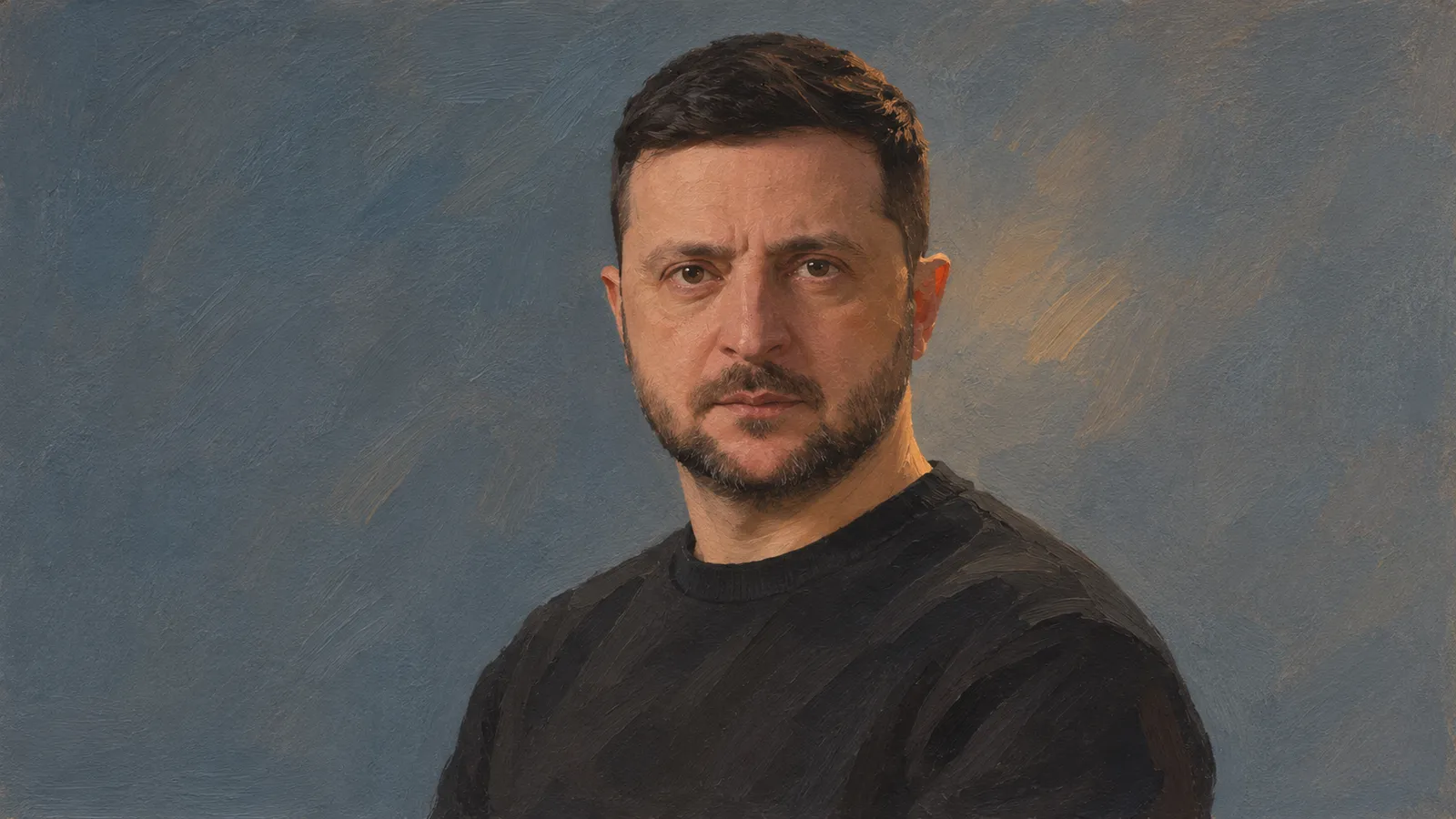
Ukraine and its German, French and British allies called on Russia to agree to an energy ceasefire for the winter, presenting it as a first step toward ending hostilities. Their joint statement followed the November 19 meeting of the Coalition of the Willing in Berlin.
The statement also backed direct talks between Ukraine and Russia with US and European participation, and called for legally binding security guarantees once a ceasefire takes effect. The coalition, formed in 2025 to support Ukraine, had already called for those measures in July.
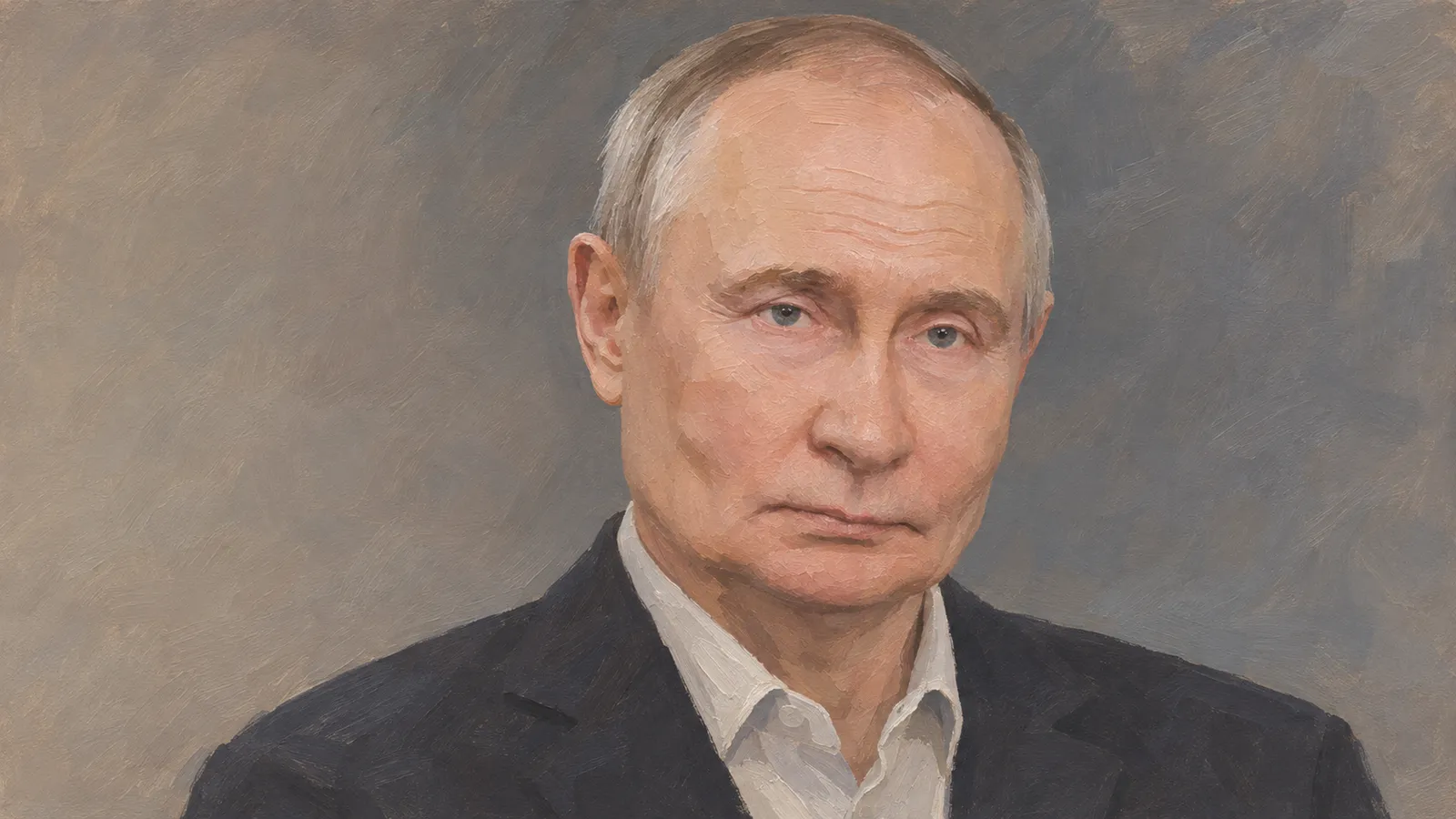
The proposals are not agreements with Russia. In Shenzhen, Russian President Vladimir Putin said Russia would not agree to ceasefires covering energy infrastructure or the Black Sea after Ukrainian strikes on the Kerch Bridge.
Earlier: Zelenskyy arrives in Berlin for Ukraine allies’ talks
An energy truce would address attacks on infrastructure as winter approaches. The Kyiv Independent said local authorities reported that a Russian strike had caused power outages across 80 settlements in Rivne Oblast; its November 18 report also described damage to energy infrastructure in Kyiv and Mykolaiv oblasts.

Ukraine’s president says he wants stronger air defense, energy and financial support, as well as diplomatic steps toward ending the war and security guarantees. The coalition’s main session is planned for later on 19 November.
The four leaders pledged long-term support for Ukraine, with air defense a priority. They also said they would use sanctions and pressure on Russian oil and gas revenues and continue efforts to impede Russia’s shadow fleet.
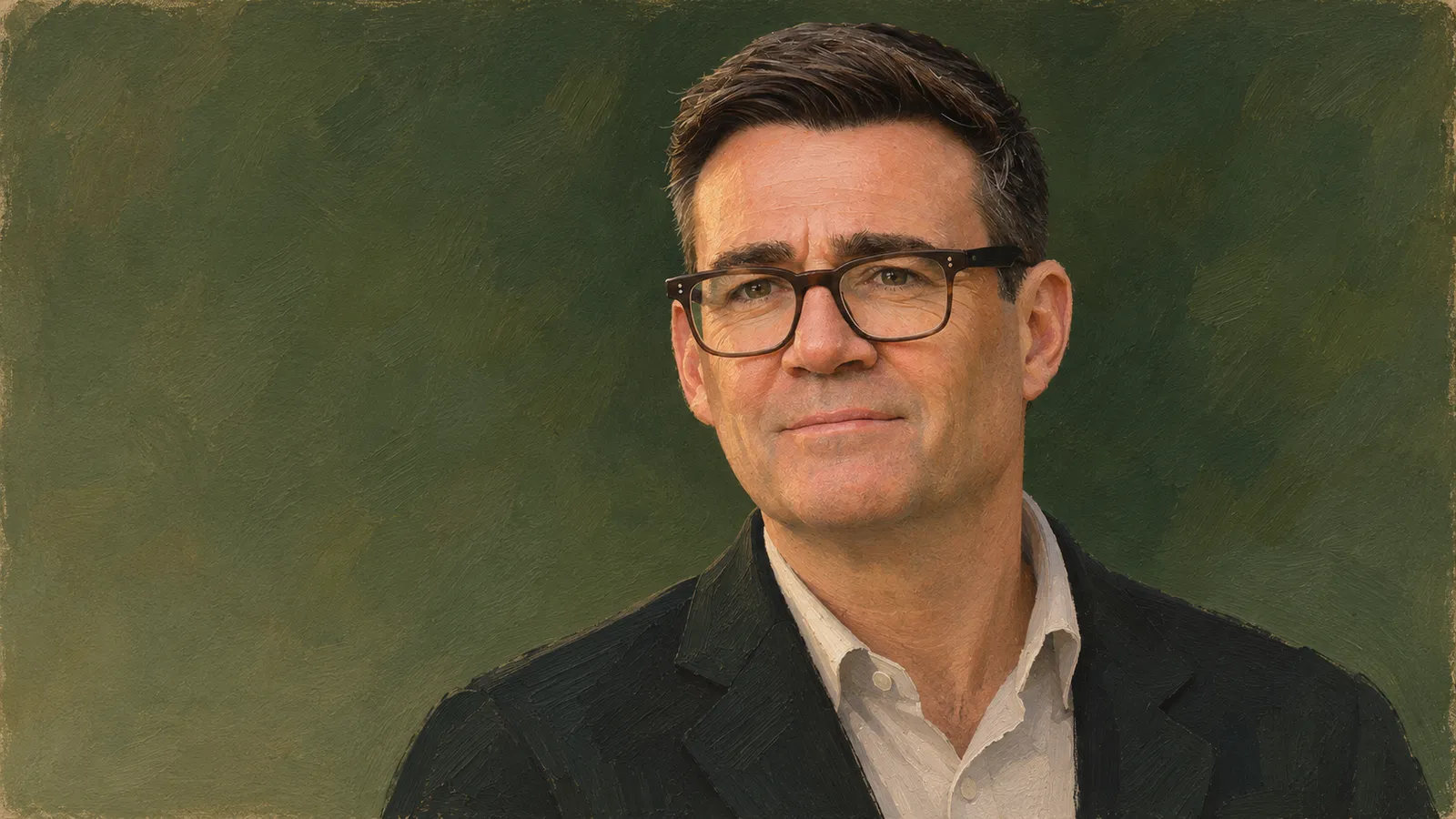
UK Prime Minister Andy Burnham said Britain was committing 1,000 British-built long-range drones and, working with Norway, British-built fast attack boats. Burnham, previously mayor of Greater Manchester from 2017 to 2026 and a cabinet minister including as health secretary, said British support would continue.
The coalition’s July statement said the proposed politically and legally binding guarantees would be defensive and take effect after a ceasefire, alongside long-term military assistance and existing bilateral security agreements. They would follow partners' legal and constitutional arrangements.
The Berlin statement envisaged a European-led Multinational Force-Ukraine, with contributions from willing countries and US support. The UK government says the force, commanded by Britain and France, would focus on rebuilding and strengthening Ukraine’s armed forces. It would deploy only at Ukraine’s invitation, after hostilities end and the necessary political and military conditions are met; it is not a ceasefire-monitoring force.
US envoy Jared Kushner said Russia was comfortable with NATO-like security guarantees for Ukraine. Putin, by contrast, said military cooperation between Ukraine and Europe, including a possible European troop deployment, would be a problem for Russia.
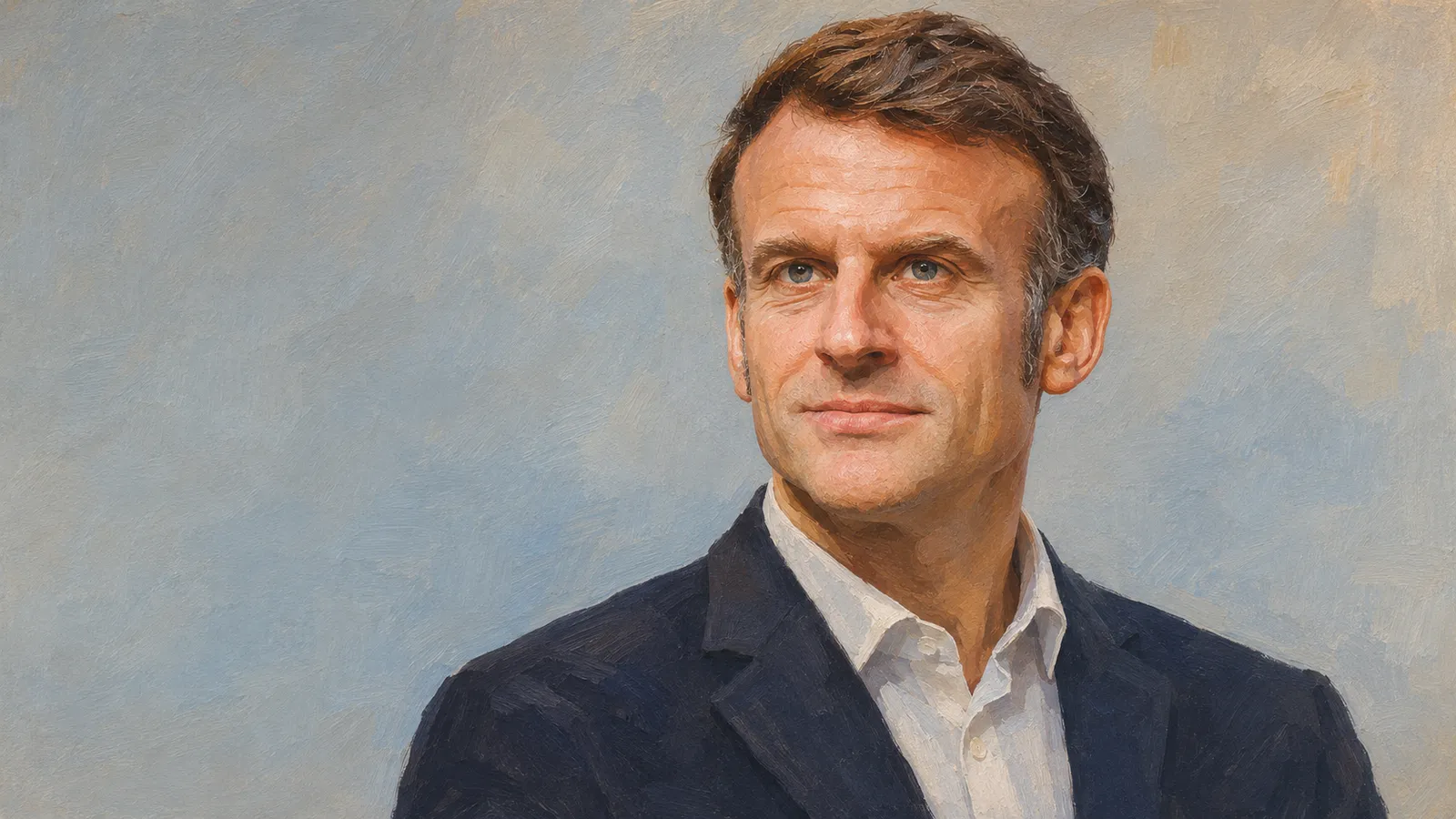
NATO’s Article 5 treats an armed attack on one or more allies as an attack on all, with each taking the action it considers necessary. Separately, French President Emmanuel Macron called for reopening the question of Ukraine joining NATO itself.
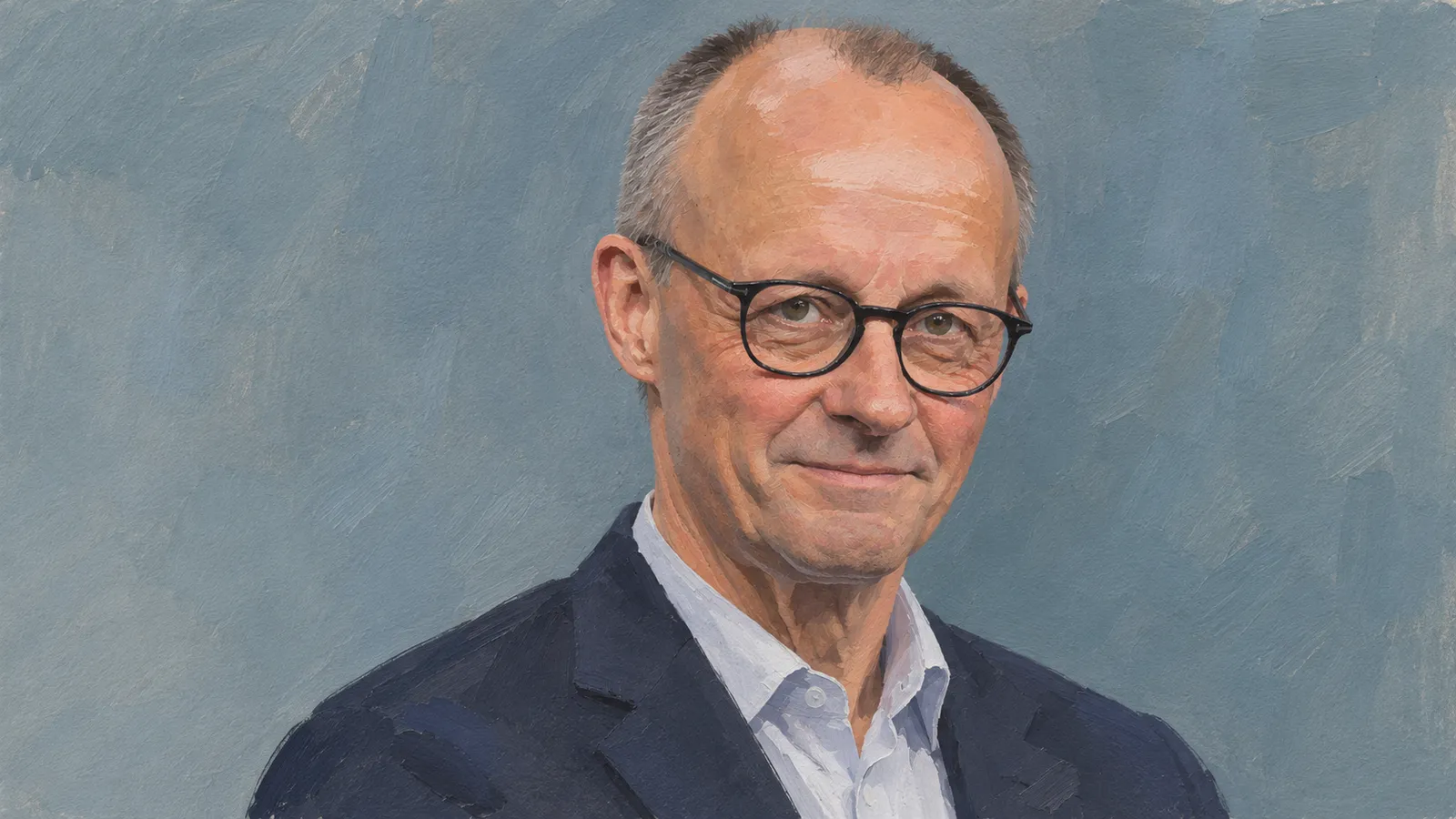
German Chancellor Friedrich Merz, who hosted the Berlin meeting alongside Macron and Burnham, said talks should include Ukraine, Russia, the US and Europe. The German government said the European team agreed in Dublin on 13 November would include EU institutions and representatives of France, Germany, Italy, Poland and the UK.
That differs from the format Kremlin aide Yuri Ushakov described on 16 November. Reuters said Ushakov identified the next round under discussion as talks among Russia, Ukraine and the US, and said Russia had agreed neither to expand the format nor to a date. Those discussions followed a round in Abu Dhabi and a subsequent meeting between US envoys and Putin in Moscow.
Putin said Russia had invited European representatives to Moscow to discuss the structure of further talks. The leaders in Berlin declined to say whether they would accept the invitation.
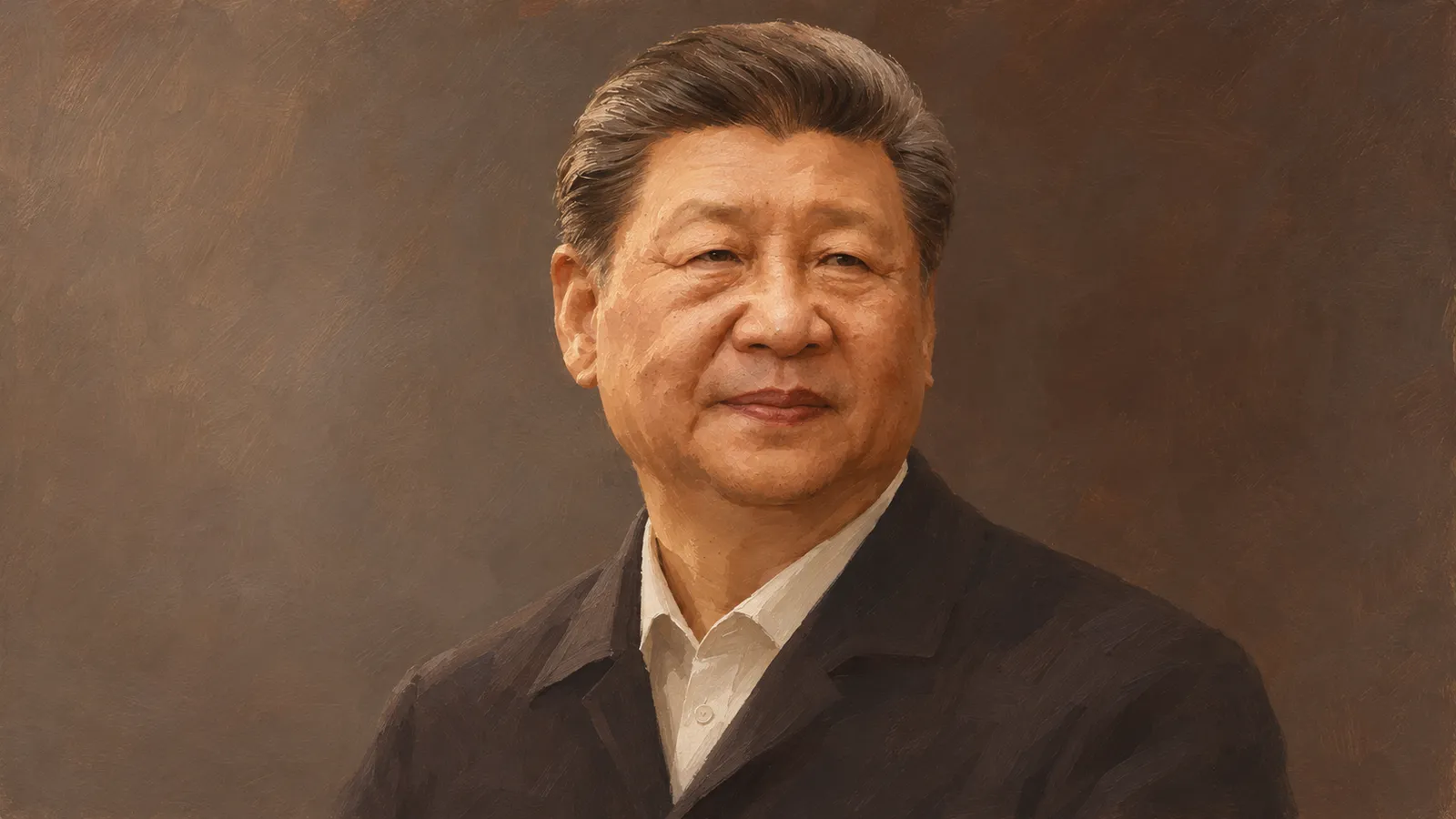
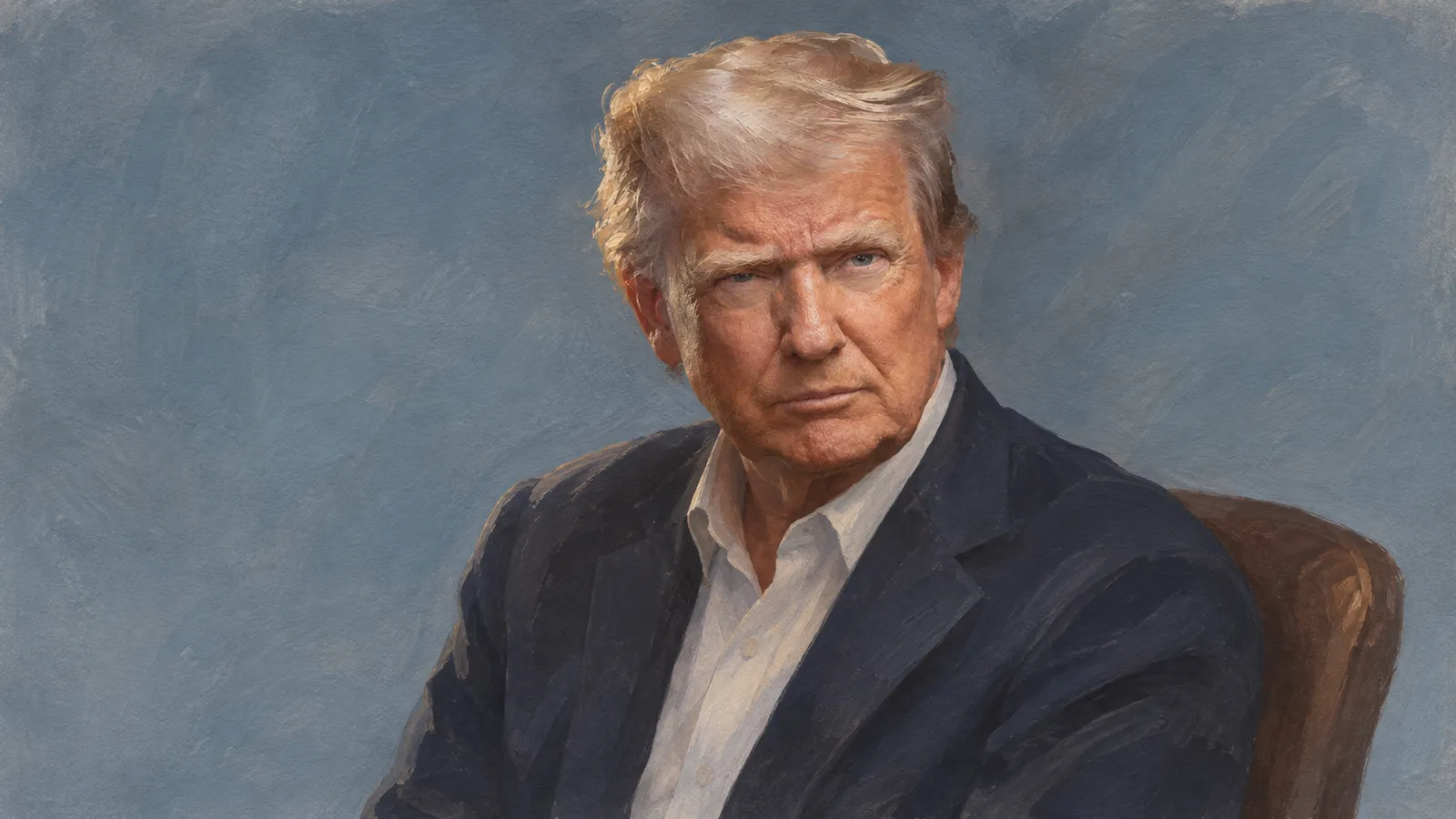
US envoys Steve Witkoff and Kushner attended Berlin to brief allies after US President Donald Trump met Putin and Chinese President Xi Jinping in Shenzhen. Kushner said Trump also joined the Berlin meeting by phone. Merz said a “Yalta format” could not bring peace to Ukraine, referring to the meeting among the three presidents. At Yalta in 1945, US, British and Soviet leaders discussed postwar arrangements for Europe.
4 min

After the 16 November talks with US envoys and European representatives, Ukraine’s president said participants would meet in Berlin. Kremlin aide Yuri Ushakov said Russia had not agreed to expand the next negotiating round or set its date.
4 min

The Russian president also warned that Russia would target foreign troops if they were deployed to Ukraine. US envoy Steve Witkoff said European representatives would join the next round of talks. The Kremlin says it has yet to decide on European participation.
7 min