
British Transport Police facial-recognition pilot found no correct matches
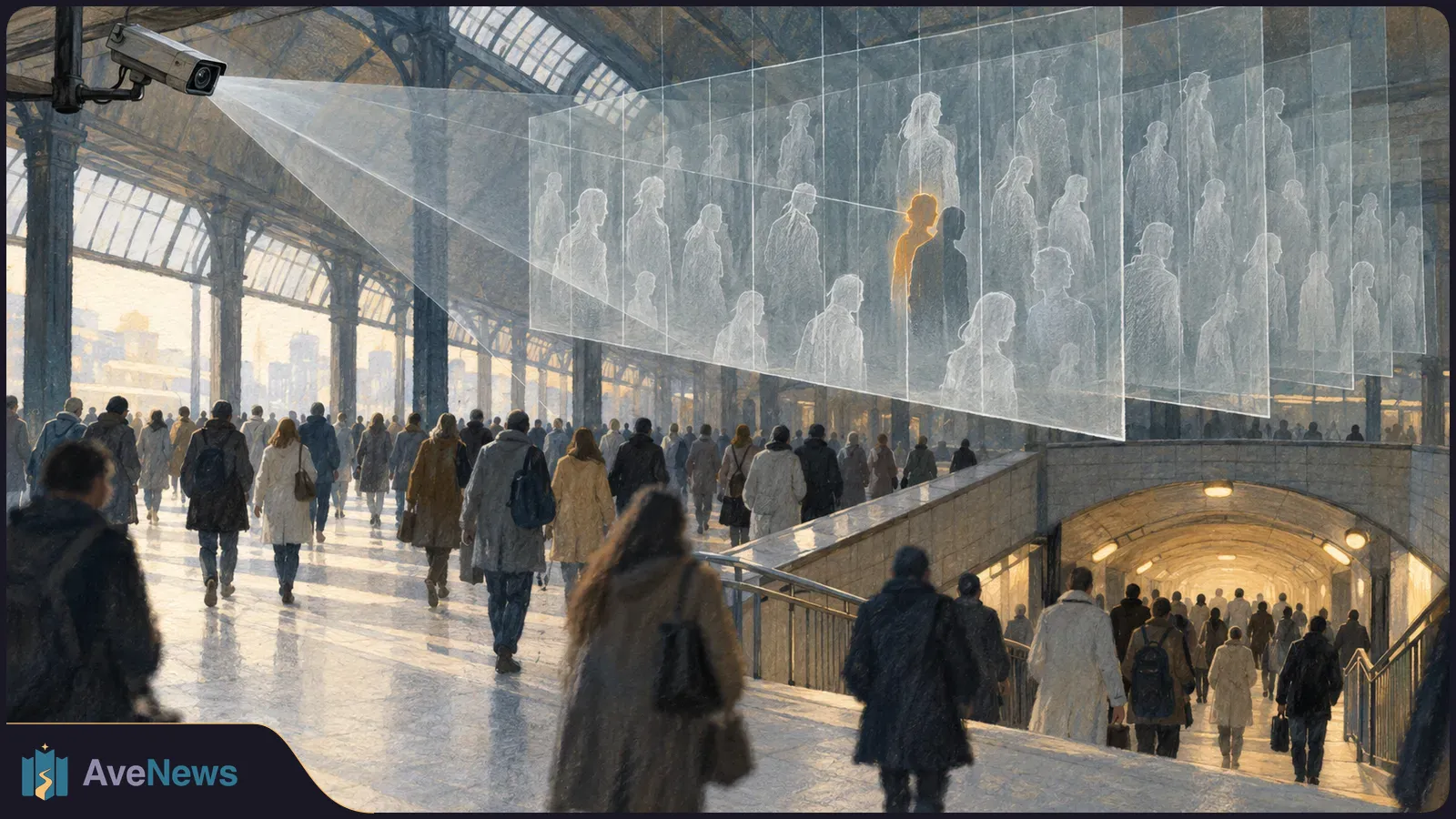
The six-month London station trial scanned more than 500,000 faces and cost over £320,000. Police have extended it to November and added the Underground.
The six-month London station trial scanned more than 500,000 faces and cost over £320,000. Police have extended it to November and added the Underground.
British Transport Police’s (BTP) six-month live facial-recognition pilot scanned more than 500,000 faces at London railway stations without producing a correct match or an arrest directly resulting from an alert. The deployments cost more than £320,000 and used almost 100 hours of police officers’ time, according to figures reported by The Register.
Liberty Investigates obtained the figures through Freedom of Information requests, and The Guardian reported them. The system generated just one alert. It was a false positive: the software wrongly suggested that a person matched someone police were looking for.
The system uses NEC’s NeoFace M40 technology. Cameras scan people passing through a designated area and compare their faces with a police watchlist—a list of people police want the system to identify. A suspected match generates an alert for an officer to review before deciding whether to stop the person.
BTP says the system cannot identify people who are not on the watchlist and immediately deletes their biometric data, meaning facial data used for identification. The force also says deployments are guided by intelligence and target crime hotspots where officers believe “high harm offenders” are likely to pass through.
Analysis
Jasleen Chaggar, senior legal and policy officer at privacy campaign group Big Brother Watch, told The Register that the commuter identity checks were intrusive. She argued that the results did not justify the public spending or officers’ time and called on BTP to stop using live facial recognition.
Sarah Simms, senior policy officer at Privacy International, challenged BTP’s description of the deployments as targeted. She argued that processing the sensitive facial data of passers-by, sometimes without their awareness, undermined that claim. She also criticized the continued expansion, saying there was no specific legal framework regulating facial recognition.
The figures show what this pilot delivered for its cost and the volume of faces processed. They do not establish facial recognition’s effectiveness in every setting.
BTP has continued the trial. The Register’s September 30 report says it has been extended until November and expanded from Network Rail stations onto the London Underground, bringing the watchlist checks to another part of London’s transport network.
A second neural network helps the SI search ahead despite concealed pieces. Ars Technica reports training costs of a few thousand dollars, far below the researchers’ estimate for DeepNash.
3 min

The ruling recognizes potential protection against commercial exploitation, but did not decide whether SI narration on TikTok infringed voice actor Kenjiro Tsuda’s rights.
3 min

ChatGPT and Grok removed a hijab on request, while Gemini did so after a reworded prompt. The tests used SI-generated people, not photographs of real subjects.
3 min
