
California establishes climate-literacy seal for graduates
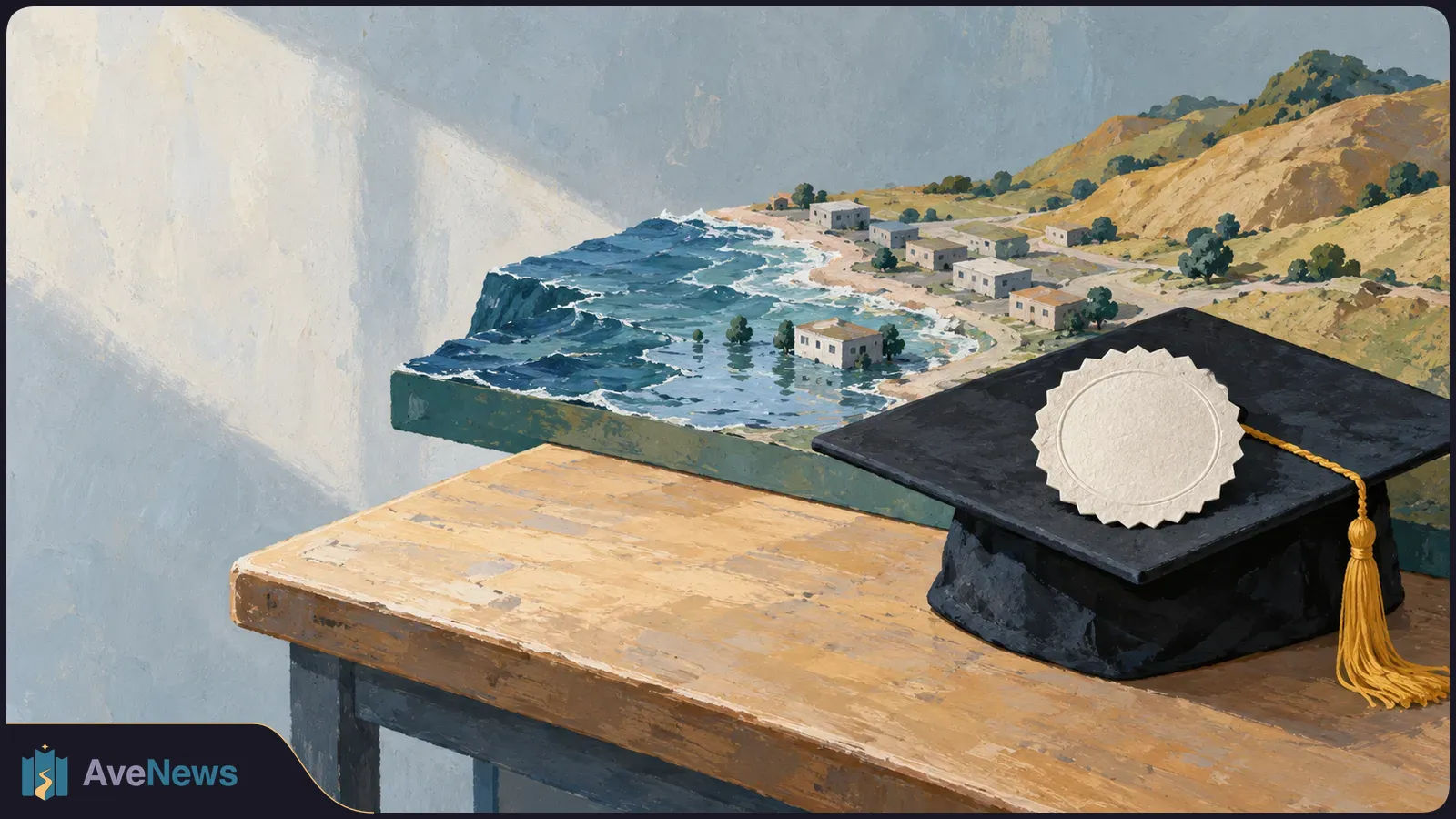
The award will recognize climate learning on diplomas or transcripts. A California bill summary describes voluntary participation and deadlines for setting the award criteria.
The award will recognize climate learning on diplomas or transcripts. A California bill summary describes voluntary participation and deadlines for setting the award criteria.
California has signed a bill establishing a climate-literacy seal for high school graduates, according to an October 4, 2026 Guardian feature produced by The Hechinger Report. The seal creates a way to recognize students’ learning about climate change.
The California bill summary published by CalMatters’ Digital Democracy describes an award that would appear on qualifying students’ diplomas or transcripts. Local education agencies could choose whether to participate. The stated purpose is to help students and their communities understand and adapt to climate change’s effects.
The bill summary calls for the Education Commissioner to recommend award criteria by December 31, 2027. The State Board of Education would then adopt those criteria, with possible changes, by January 31, 2029.
In developing the criteria, the commissioner would have to consider requiring at least two approved climate-literacy courses and a completed and presented hands-on learning project. These are options to consider, not already adopted eligibility requirements. Climate literacy means understanding climate change, its causes and ways to limit it.
Colorado’s seal gives qualifying students an endorsement on their high-school diplomas and transcripts.
Colorado’s separate seal shows how coursework and community projects can fit together. Students must complete at least two advanced courses covering Earth’s climate systems, including one science course, and an approved project addressing a local climate issue. The other course can be in any discipline, including the humanities or fine arts. These are Colorado’s requirements, not California’s.
At Vista Academy near Denver, one student built a garden of native plants to detect ground-level ozone pollution. Climate scientists helped the student decide what data to collect and how changes in the plants’ leaves could reveal air quality.
Since Colorado lawmakers approved the seal in 2024, 26 of the state’s 179 school districts have adopted it, according to Lyra Colorado, an education nonprofit that advocates for the program. Lyra’s chief executive, Mary Seawell, estimated that 1,200 students had received the seal.
Funding has limited Colorado’s rollout, the Guardian feature reports: state lawmakers provided less than $20,000. Many students pay for projects themselves or obtain grants. Lyra also created a grant program to cover teachers’ time, student projects and graduation cords.
California’s criteria-setting deadlines outline the next steps, but its final eligibility rules, funding arrangements and the date students can first earn the seal are not yet clear.

Research reviews examine pain mechanisms and sex chromosomes, while outside experts raise questions about menopause perspectives and the path into care.
4 min

IEA global averages favor electric cars and heat pumps, but upfront costs, financing and other barriers complicate the switch.
3 min
Franklin County’s coroner reports a sixth death meeting the state’s measles-death definition, with a probable cardiac cause possibly linked to the infection. Pennsylvania’s health department says it is reviewing the case and will issue an update.
