
NASA selects a further test of Curiosity’s Basque Lakes sample
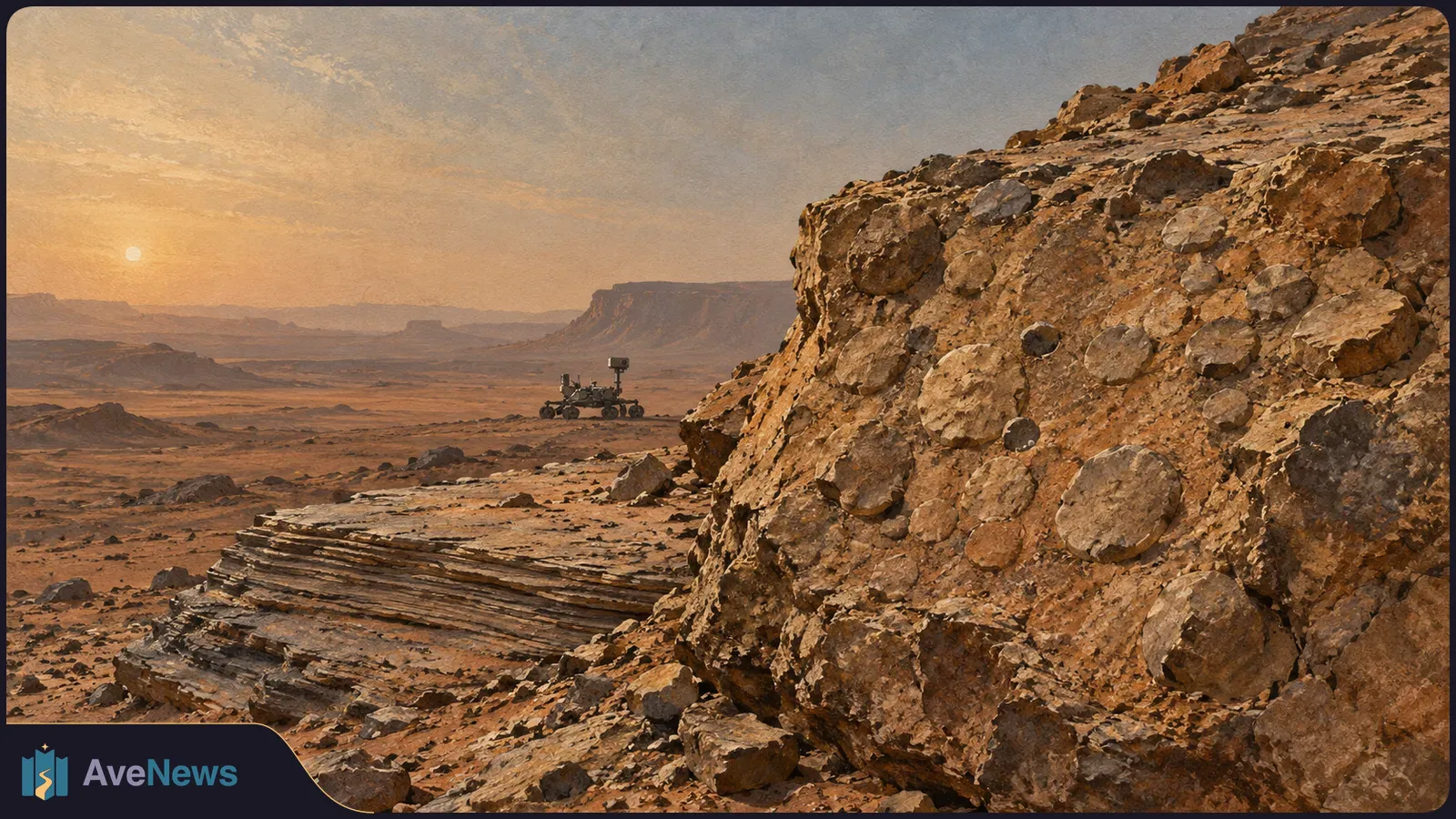
Laboratory results prompted the additional experiment. A four-Martian-day plan left room for its energy demands alongside observations and checks of material left by drilling.
NASA selected an additional laboratory experiment on Curiosity’s Basque Lakes rock sample after the mission team reviewed results from its earlier analysis. The decision followed testing with a laser instrument in the rover’s Sample Analysis at Mars (SAM) laboratory suite, whose measurements were intended to guide whether further analysis should proceed.
NASA described the decision in an account published on 20 October, carrying an Earth planning date of 9 October. Basque Lakes was Curiosity’s 48th drilled rock target in Gale crater; the team hopes its minerals will help explain how the rock formed and later changed.
The SAM team chose an additional gas-chromatography/mass-spectrometry experiment, another laboratory test of the sample’s chemical contents. Mass spectrometry helps identify substances. NASA said the experiment tends to require substantial energy, but the planning window covered four sols—Martian days—leaving room for other science as well.
The accompanying work included observations from a distance using Mastcam and ChemCam, plus direct examination of the drill tailings: the rock and mineral material left after collecting the sample. Laboratory activities normally consume a significant share of Curiosity’s daily power, limiting what other instruments can do during drilling campaigns.
NASA has not disclosed the mineral identities or laser measurements, or confirmed completion of the additional experiment.
The drilling campaign followed a change from finely layered bedrock to blocks covered—and likely filled—with small disc-shaped lumps. NASA’s account with an Earth planning date of 18 September described two possible explanations: a crystalline mineral grew into disc-like shapes, or fragments of a harder rock layer broke apart and collected there. Somewhat similar features had appeared earlier in Curiosity’s mission and occur in Earth rocks, especially where minerals come out of solution as fluid evaporates. That comparison does not establish that evaporation produced these Martian lumps.
The team planned to image the disc-bearing blocks with Mastcam, the rover’s color camera, and the Mars Hand Lens Imager (MAHLI), which shows rock textures and structures close up. Planned chemistry measurements used ChemCam, which vaporizes material with a laser and examines its light with a spectrograph, and the Alpha Particle X-Ray Spectrometer (APXS), which measures chemical-element abundances.
Images and elemental chemistry do not replace mineral identification. Drilling supplies material to CheMin, Curiosity’s Chemistry & Mineralogy instrument, which uses X-ray diffraction to identify minerals and measure their abundances.
The selected workspace lay a little beyond the disc-bearing blocks. NASA’s account with an Earth planning date of 25 September described APXS touching Basque Lakes to measure its chemistry, MAHLI imaging its textures from within 1 centimeter (about 0.4 inches), and ChemCam firing its laser to further assess composition. Engineers also checked the rock’s stability with a pre-load test, followed by more MAHLI images. Together, those checks informed the drilling decision.
The account with an Earth planning date of 1 October described wrapping up CheMin analysis and analyzing the sample with SAM’s tunable laser spectrometer. CheMin’s data were key to the decision to use SAM, a suite that searches for carbon compounds associated with life and studies how they form and break down. The team was awaiting the laser measurements of volatiles—substances that readily turn into gas—to decide whether to pursue separate mass-spectrometry analysis.
With the remaining power during that work, Curiosity continued observations of the drilling site and environmental monitoring, including checks on atmospheric dust, clouds and dust devils. The 9 October account described a subsequent weekend plan allowing two more Martian days to finish drilling-related activities and final observations at Basque Lakes before beginning a drive back toward crystal forms in the Chiu Chiu region.
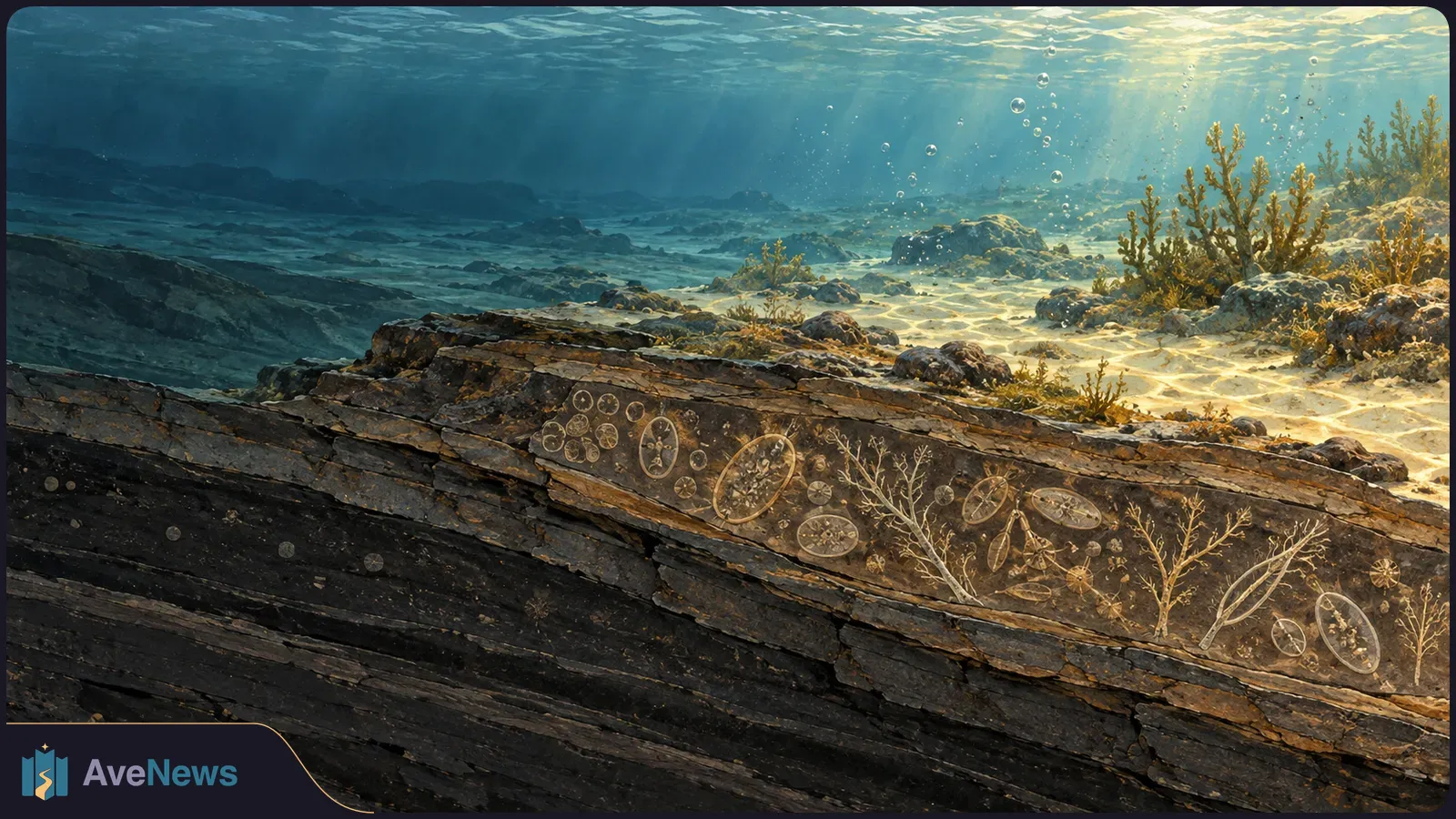
More than 12,000 fossils and rock chemistry support an early need for oxygen, but do not establish that oxygen caused complex cells to originate.
2 min
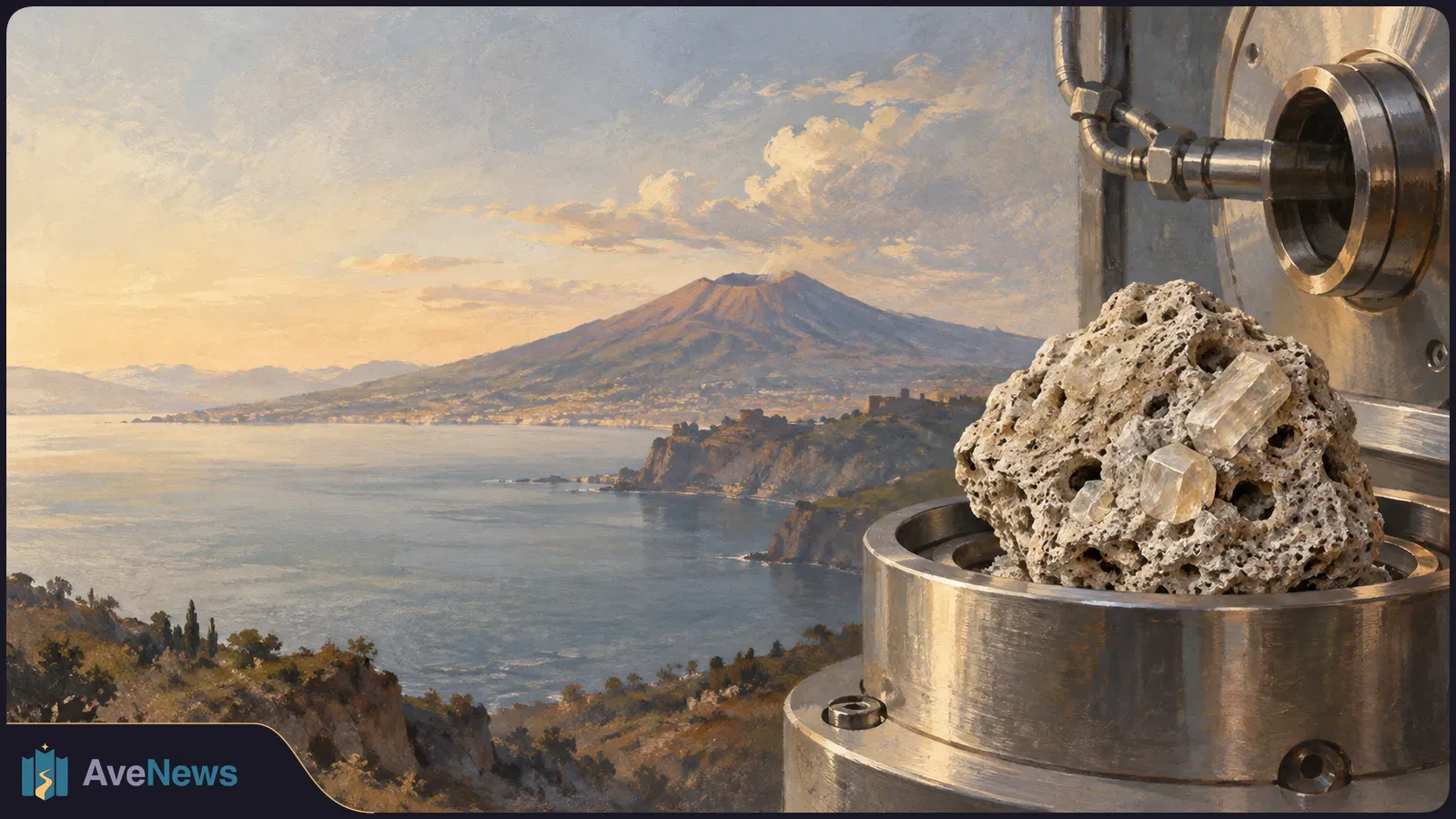
Minerals from the eruption closely matched their historically known age, helping researchers improve a method used to date volcanic events and compare Earth’s past events.
3 min

The American tennis player has disclosed diagnoses of RED-S and Hashimoto’s hypothyroidism after years of symptoms. She reports renewed energy while preparing for next season.
3 min
