Israel’s Yashar leader Gadi Eisenkot invites Likud to coalition talks

The former military chief’s party says it wants the broadest possible government after an election left no bloc with a majority. A first meeting is scheduled for 22 November.
Situation: Israel's 2026 parliamentary election
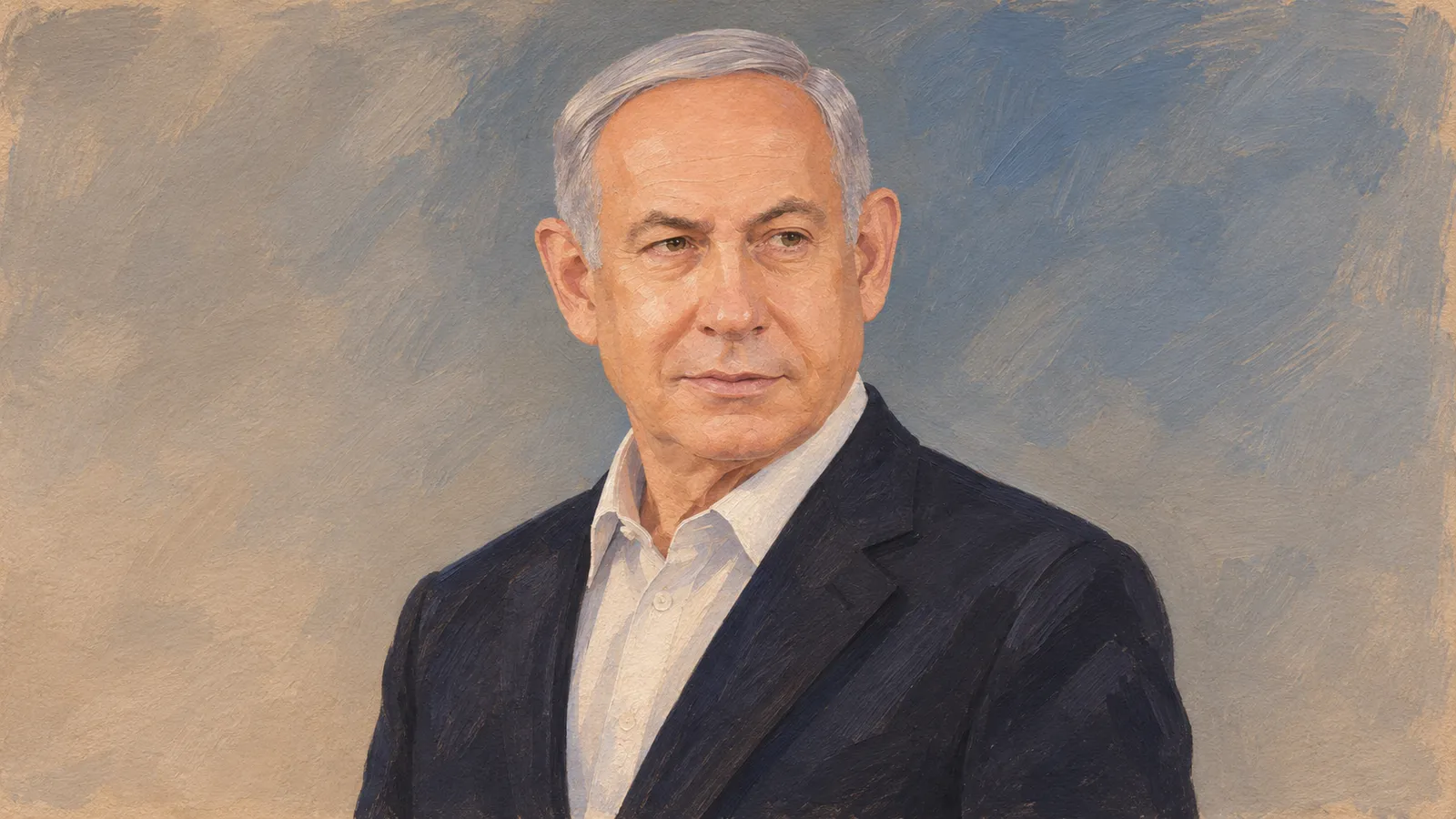
Gadi Eisenkot, the former military chief tasked with forming Israel’s next government, invited caretaker Prime Minister Benjamin Netanyahu’s Likud party to a series of coalition talks on 21 November. Eisenkot’s Yashar party said it wanted to pursue every option for forming the broadest possible government.
The October 27 election left Netanyahu’s bloc with 53 seats, Eisenkot’s opposition bloc with 48, and the Arab-majority Ra’am and Joint List with 19 combined. A majority in the Knesset, Israel’s parliament, is 61 seats. No coalition agreement has been announced, and Netanyahu’s government remains in office as caretaker.
Likud holds 27 seats and Yashar 21, giving them 48 together. B’Yachad has 12, the Democrats eight and Yisrael Beiteinu seven. Shas holds six and United Torah Judaism seven; adding both to Eisenkot’s 48-seat bloc would yield 61. Ra’am has eight seats and the Joint List 11; adding both lists to Eisenkot’s bloc would yield 67.

Likud said serious negotiations would follow agreement on its proposed principles, including an end to personal attacks and exclusions of Netanyahu, parties and ministers. It also called for a unity government without parties it described as supporting terrorism, rejection of a Palestinian state and a broadly agreed arrangement for Torah students.
Eisenkot has said he is open to serving with Likud members but not under Netanyahu. Former Prime Minister Naftali Bennett, who leads B’Yachad in Eisenkot’s camp, called for a Zionist unity government headed by Eisenkot and said his party would not join Netanyahu or his bloc. Netanyahu says a national unity government is needed to guarantee Israel’s security, France 24 reported with AFP.
Eisenkot’s prospective partners also differ over other routes. Yisrael Beiteinu leader Avigdor Liberman favors a coalition with the ultra-Orthodox parties Shas and United Torah Judaism and opposes a government dependent on Ra’am. Democrats leader Yair Golan has not ruled out relying on Arab parties.
Ra’am leader Mansour Abbas warned that a minority government relying only on Arab parties would struggle to function and endure. He viewed ultra-Orthodox participation positively and left open an Eisenkot-led unity government provided Arab parties were not excluded and Netanyahu did not remain prime minister. Joint List leader Yousef Jabareen said cooperation involving his list and Ra’am could help replace Netanyahu’s government, citing their recent parliamentary cooperation.
United Torah Judaism lawmaker Yakov Asher has named the status of yeshiva students, the independence of ultra-Orthodox education and existing religion-state arrangements as conditions. He has also said there is no commitment to blocs and that his party would not serve in a government with Ra’am. Eisenkot’s principles call for military, national or civilian service for every citizen; Hasidic figures within Agudat Yisrael have sought military-service deferrals for full-time Torah students and commitments to legislate an exemption.
President Isaac Herzog gave Eisenkot the mandate on 8 November, after concluding he had the better chance of forming a government that could win the Knesset’s confidence. Eisenkot received recommendations from 67 lawmakers, compared with 46 for Netanyahu; a recommendation does not commit a party to join or support a government.
On 20 November, Eisenkot said he would be prepared to put a minority national emergency government to a parliamentary vote if efforts to form a broad government failed. A proposed government needs more votes in favor than against, not necessarily a majority of all lawmakers. Parties can support it from outside or abstain without joining the government.
The first meeting with Likud is scheduled for 22 November. Eisenkot’s initial mandate runs until 6 December, and Herzog can extend it by up to 14 days. If the attempt fails, Herzog can appoint another lawmaker or move to a 21-day period in which at least 61 lawmakers may jointly request a candidate. If the available attempts fail, parliament is dissolved and another election is held.
Gadi Eisenkot’s party and caretaker Prime Minister Benjamin Netanyahu’s Likud met after an election left neither bloc with a majority. They remain divided over who would lead a government and which parties could join it.
3 min