Israel’s Yashar and Likud resume coalition talks

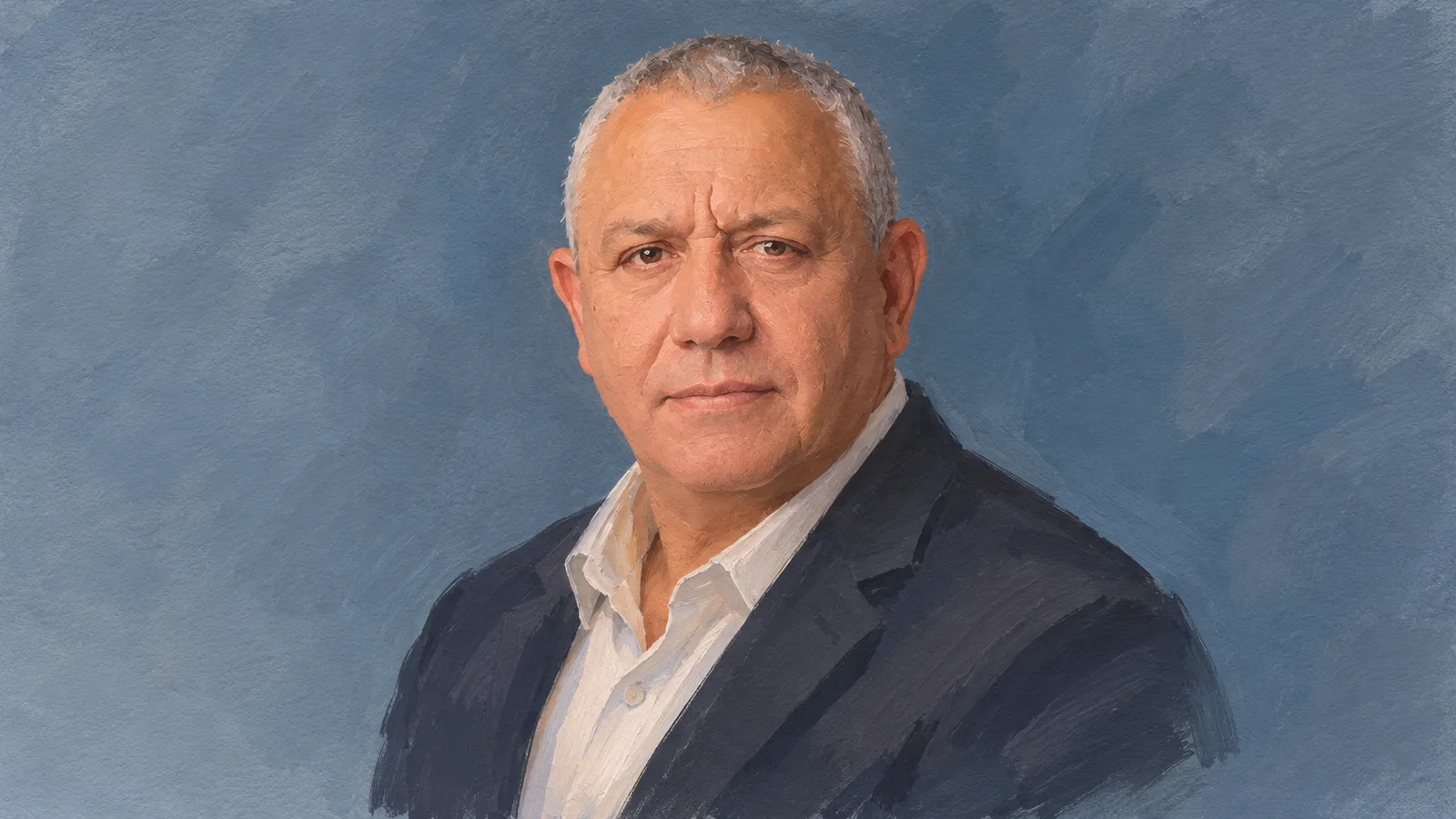
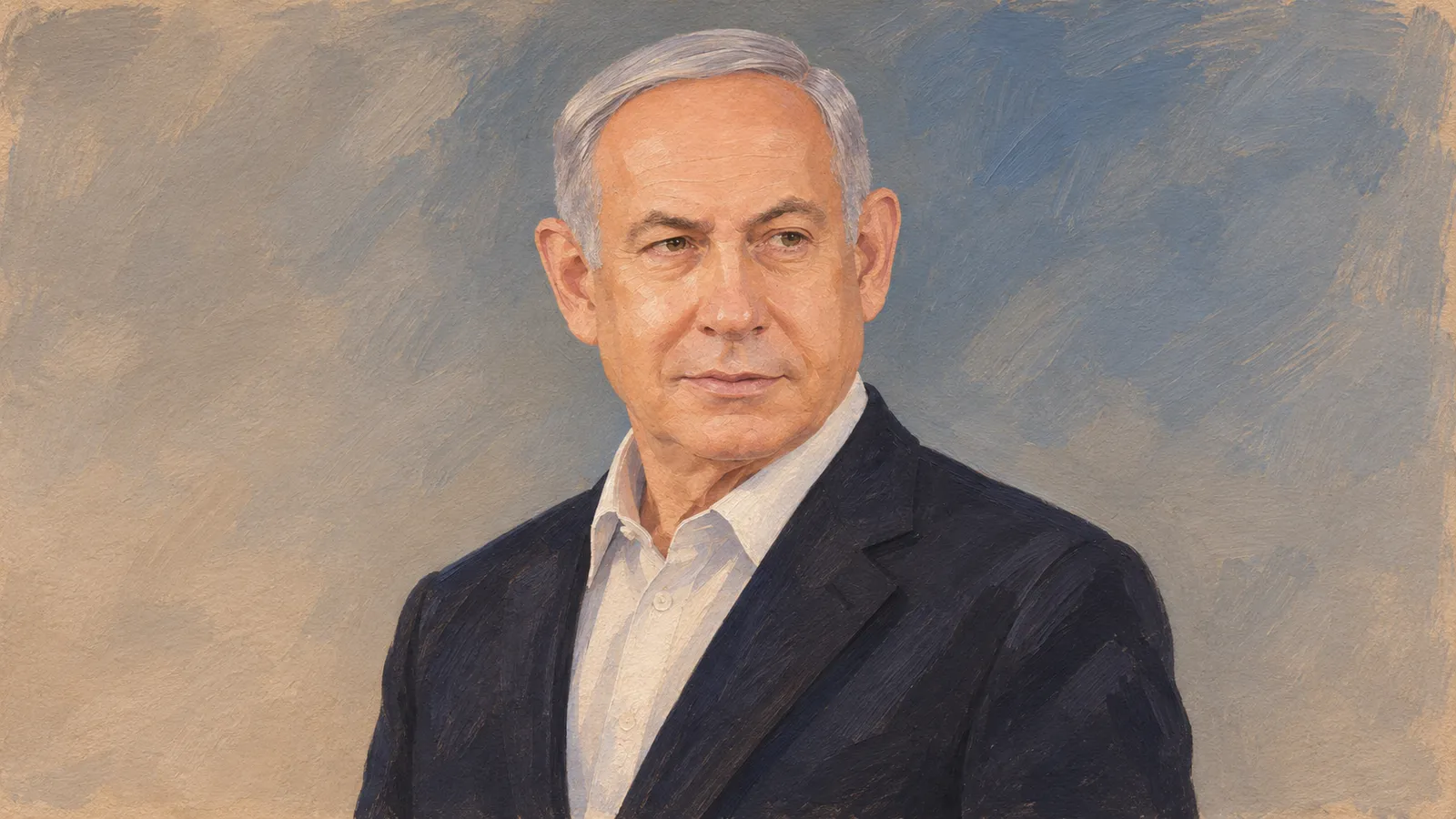
Gadi Eisenkot’s party and caretaker Prime Minister Benjamin Netanyahu’s Likud met after an election left neither bloc with a majority. They remain divided over who would lead a government and which parties could join it.
Situation: Israel's 2026 parliamentary election
Delegations from Gadi Eisenkot’s Yashar and caretaker Prime Minister Benjamin Netanyahu’s Likud resumed coalition talks at a hotel in Herzliya on 22 November, an AFP journalist at the scene said. The meeting followed a first round a week earlier, with the leadership and composition of a possible government still unresolved.
The October 27 election left Netanyahu’s bloc with 53 seats, Eisenkot’s bloc with 48 and two Arab-led lists with 19. A majority in the Knesset, Israel’s parliament, requires 61 seats.
After the November 15 meeting, Yashar and Likud said representatives of their parties and B’Yachad had agreed to continue the dialogue. Ynet said a person familiar with that meeting saw no progress.
Earlier: Israel’s Yashar leader Gadi Eisenkot invites Likud to coalition talks

Eisenkot, a former military chief, refuses to serve in a cabinet led by Netanyahu. Netanyahu wants a national unity government; a rotation of the premiership is a possibility, not an agreement. Yashar says it wants the broadest possible government and that Eisenkot has asked its representatives to explore all options.
Likud has demanded an end to personal attacks and incitement to hatred targeting Netanyahu and his government, and a unity government without Arab parties. It also wants agreement to reject a Palestinian state, maintain Israeli control over territories in Syria, Lebanon and the Gaza Strip, and reach a compromise on conscription of ultra-Orthodox Jews.
Ynet reported that Yair Lapid, Avigdor Liberman and Yair Golan told Eisenkot they would oppose a government in which Netanyahu remained in office.
Former Prime Minister Naftali Bennett, an Eisenkot ally and B’Yachad leader, has reiterated that he will not join a coalition with Netanyahu or his bloc. Bennett sent political adviser Shalom Shlomo as his representative to the first round of talks.
| Party | Seats |
|---|---|
| Likud | 27 |
| Yashar | 21 |
| B’Yachad | 12 |
| Joint List | 11 |
| Ra’am | 8 |
| Yisrael Beytenu | 7 |
| United Torah Judaism | 7 |
| Shas | 6 |
Adding the ultra-Orthodox parties United Torah Judaism and Shas to Eisenkot’s bloc would give it a majority. Adding the Joint List and Ra’am instead would also produce one. Neither combination is an agreement.
Eisenkot has said he is ready to submit an emergency national government to parliament and will not let talks drag on. A minority government could seek support from Arab-party lawmakers, but his ally Avigdor Liberman opposes that route and favors an alliance with ultra-Orthodox parties. Ra’am and the Joint List recommended Eisenkot during the president’s consultations; a minority government would still need to win parliament’s confidence.
President Isaac Herzog gave Eisenkot the mandate on 8 November after consultations in which 67 lawmakers recommended Eisenkot and 46 recommended Netanyahu. Eisenkot’s initial deadline is 6 December, and Herzog can extend it by up to 14 days. If Eisenkot fails, Herzog can give the task to another lawmaker or inform the Knesset speaker that he sees no possibility of forming a government.
The former military chief’s party says it wants the broadest possible government after an election left no bloc with a majority. A first meeting is scheduled for 22 November.
4 min