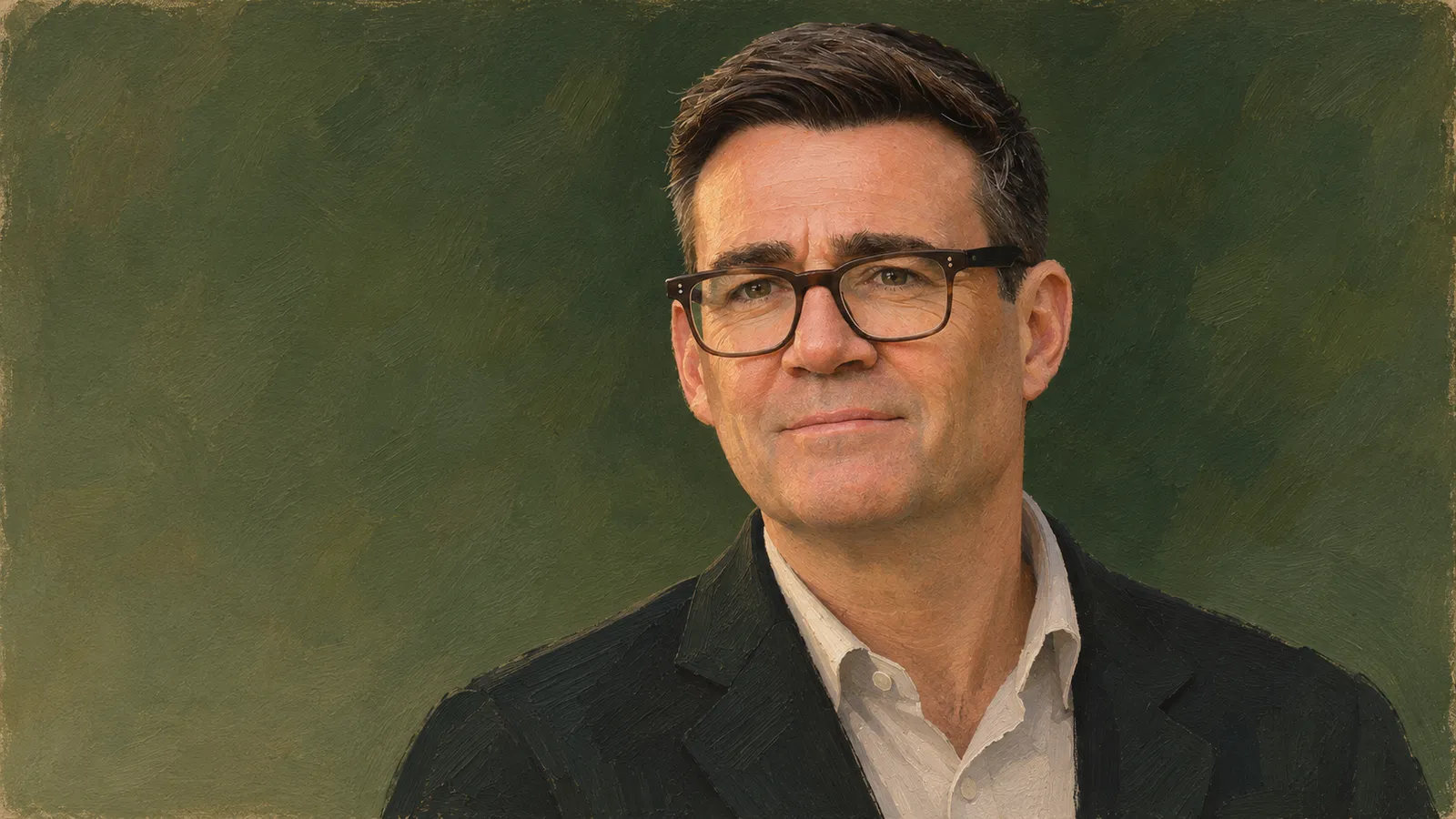
UK government plans about 200 local police commands in England and Wales

Home Secretary Shabana Mahmood proposes making the commands the foundation of a reorganized police system, with specialist and national services above them.
Home Secretary Shabana Mahmood has announced plans for about 200 local police commands across England and Wales, each focused on the needs of its area.
The proposal follows a January government plan to merge some of the existing 43 police forces. Mahmood said forces of different sizes currently handle local policing, specialist investigations and often national duties too; she argued that some lack specialist skills and are pulled in different directions.
The commands would cover towns or rural areas broadly aligned with council boundaries. They would tackle burglary, vehicle and phone theft, and antisocial behavior. The Home Office said the alignment would help police work more closely with probation, health and housing services.
Each command would have a named commander accountable to the local community and elected officials, both of whom would help set priorities. A proposed Local Police Guarantee would set consistent standards, with performance monitored nationally.
Above the commands, specialist services would lead the most serious and complex investigations and provide functions including public order, forensic work, firearms and roads policing. Mahmood said the changes would improve access to specialist policing and remove administrative duplication, freeing thousands of officers for neighborhood policing.
A proposed National Police Service would handle nationwide and international threats and lead work against fraud. Mahmood said the and would be incorporated into it over time, along with other national responsibilities and 6 existing national policing bodies.

Mahmood also announced a leadership fast stream due to start in 2027. It would admit up to 200 recruits a year from inside and outside policing and place them on a 5 to 10-year path to superintendent. She said the plan responds to the Police Leadership Commission’s work and described police leadership as inconsistent and at times inadequate.
Police representatives objected to the plan, The Guardian reported. Nick Smart, president of the Police Superintendents’ Association, said there had been no meaningful consultation with the workforce. He said serving officers must have fair opportunities and leaders must have the operational credibility needed at superintendent level.
It is extremely disappointing that an announcement of this significance has been made without detail or meaningful consultation with the workforce.
Paul Williams, acting national chairman of the Police Federation, which represents officers from constable to chief inspector, said pay, training, workloads and working conditions were driving experienced prospective leaders out of policing.
Mahmood said she had received recommendations from a review led by former Metropolitan Police Commissioner Bernard Hogan-Howe, which was tasked with examining the number, boundaries and governance of larger forces. The number of specialist services remains undecided, as does how the regional forces would fit with those services, local commands and Prime Minister Andy Burnham’s plans for greater mayoral oversight.
Metropolitan Police Commissioner Mark Rowley has called for 8 to 10 larger forces, saying local officers need a wider service behind them to confront international criminal networks. Liverpool City Region Mayor Steve Rotheram said such large regional forces would undermine local accountability.
Mahmood expects the Police Reform Bill to be laid before Parliament in spring, with a timetable for the changes to follow. She said operational responsibilities should not transfer to the National Police Service until it is fully ready, to avoid a drop in service.
Gali Baharav-Miara ordered bids for 1,234 homes held until a new government forms, leaving the approved West Bank plan in place.
2 min

The International Commission of Jurists says constitutional amendments and their implementation have impaired the courts’ ability to check the government and Parliament and provide remedies for human rights violations.
3 min

An investigation published on 16 November said the men signed contracts with Russia’s Defense Ministry and returned to civilian life in Chechnya rather than being sent to fight in Ukraine.
3 min