EU states reportedly approve Syria recognition conditions

The reported conditions include human rights requirements and withdrawal of recognition of Abkhazia and South Ossetia. Kaja Kallas says the issue belongs in a mandate for a revised agreement, separate from an unsigned 2008 text.
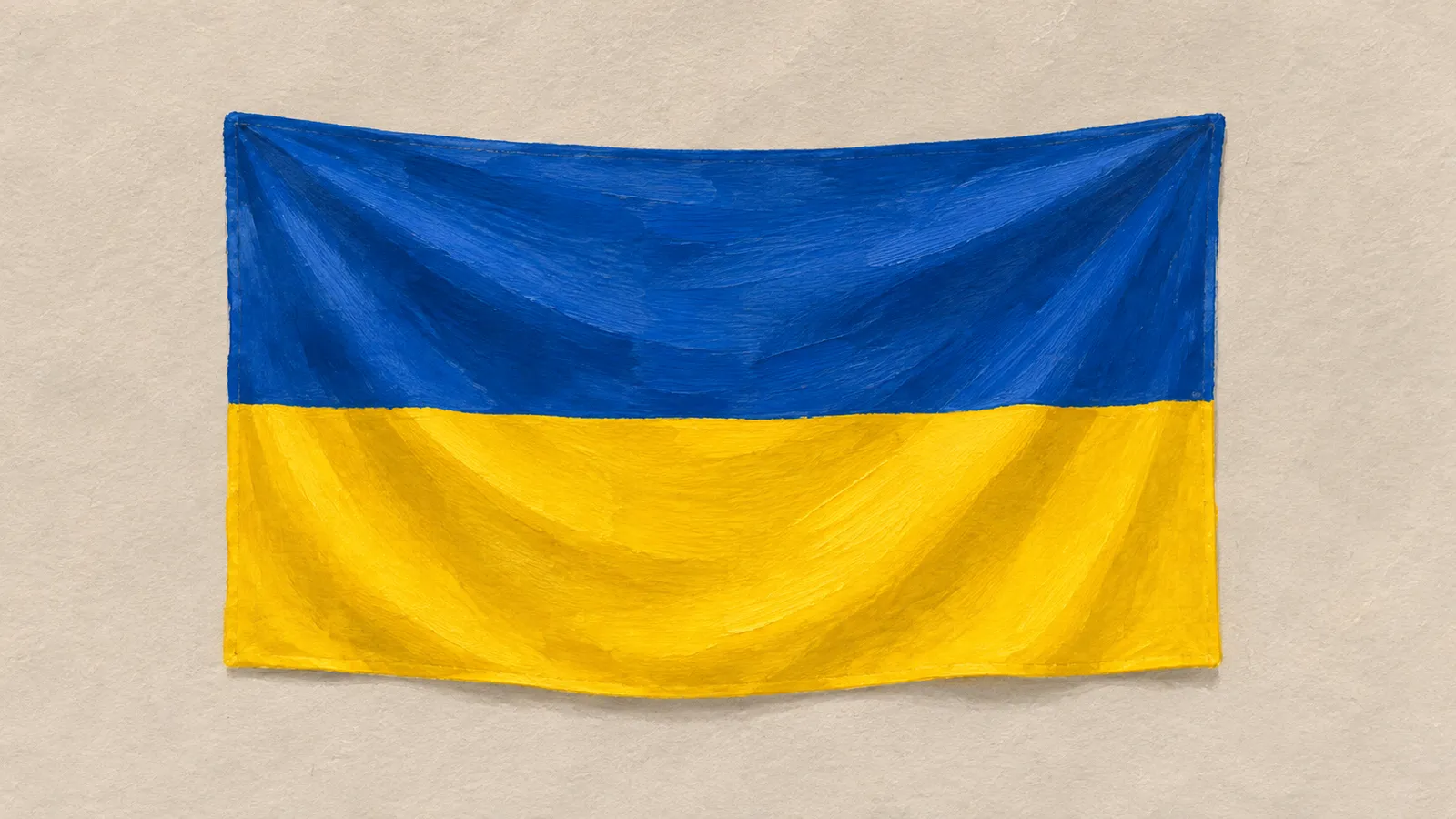
All 27 European Union member states have approved a list of conditions to present to Syria’s transitional government, including human rights requirements and withdrawal of recognition of Abkhazia and South Ossetia, OC Media said in an account published by CivilNet.
EU foreign policy chief Kaja Kallas said after a November 16 meeting of foreign ministers that members had raised human rights conditions and nonrecognition of Georgian and Ukrainian territories recognized under former Syrian President Bashar al-Assad for a mandate to negotiate a modernized agreement. The EU is separately considering whether to sign an association agreement negotiated in 2008.
The earlier agreement was initialed but never signed because of concerns about the Assad government’s human rights record, the European Commission says. Kallas said it cannot be changed and that the recognition issue belongs to the later track.
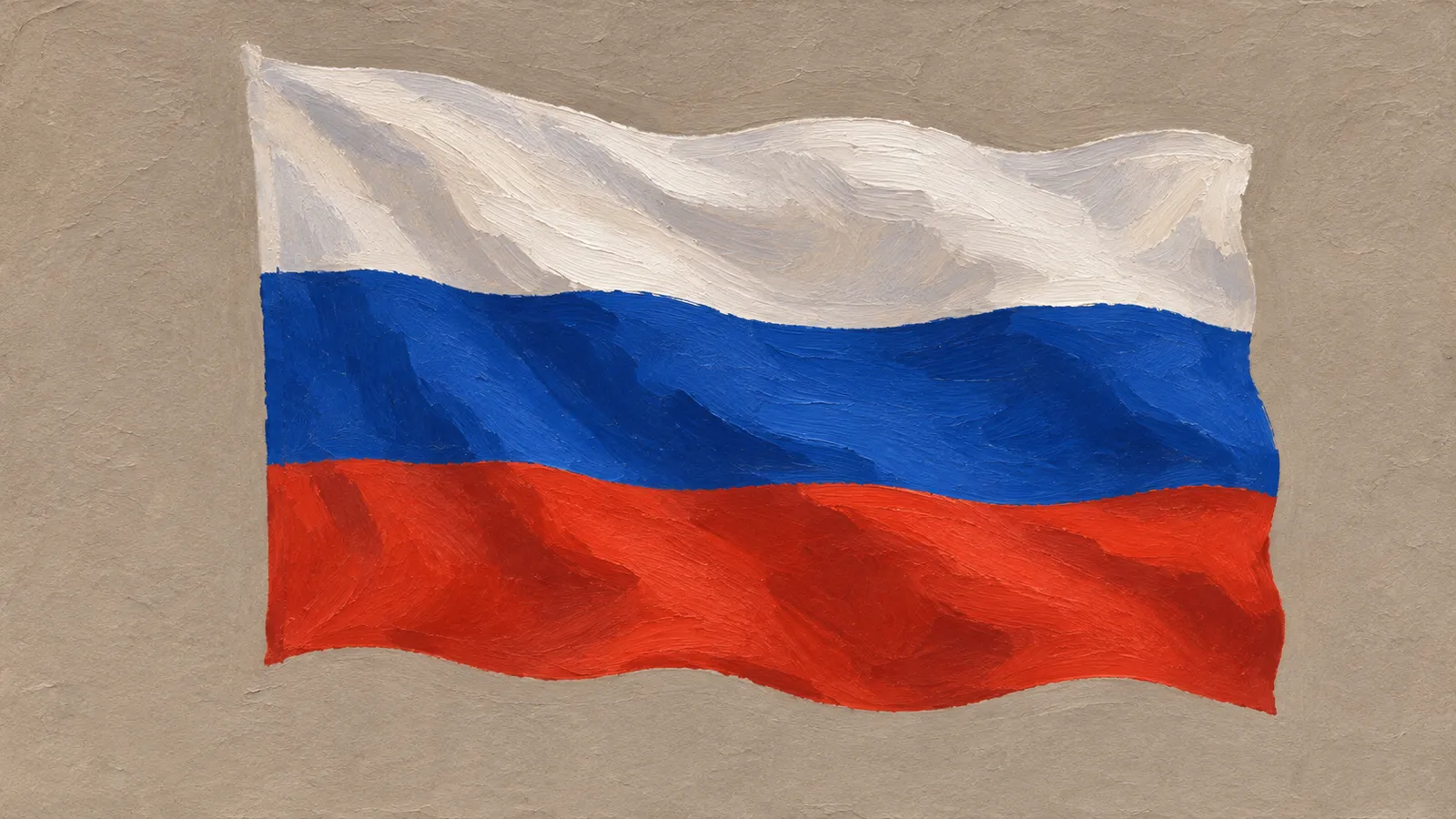
Abkhazia and South Ossetia are regions of Georgia occupied by Russia. Their authorities claim independence, which Georgia rejects. Russia recognized them after the August 2008 war; Syria followed under Assad in May 2018, prompting Georgia to sever diplomatic ties with Damascus.
OC Media, in an account published by CivilNet, reports that four states recognize both territories: Russia, Syria, Venezuela and Nicaragua. Nauru withdrew its recognition in July; a Syrian reversal would leave three.
Assad’s government also recognized the independence of Ukraine’s occupied Donetsk and Luhansk territories in June 2022. After Assad fell in December 2024, Georgian authorities and opposition figures called on Syria to reconsider its decision on the Georgian regions. Syria has made no public statement indicating that it is ready to do so.
South Ossetia’s foreign ministry accused the EU of political blackmail and said it was unacceptable to link recognition of the region to an agreement with a third country. The ministry said South Ossetia considers itself sovereign and independent.
Kallas said ministers supported preparing the older agreement for signature, which she said would provide a framework for trade, political dialogue and closer cooperation. In parallel, the EU will work with the Council on a mandate to negotiate a modernized agreement.
She said ministers agreed that the EU should engage with Syria because, otherwise, other actors would fill the vacuum. The move follows the EU’s decision in May 2025 to lift economic sanctions on Syria while retaining sanctions on Assad and his associates and measures imposed on security grounds.
In May 2026, the EU restored full application of a separate existing cooperation agreement, partially suspended since 2011, and held a high-level political dialogue with Syria on 11 May, co-chaired by Kallas and Syrian Foreign Minister al-Shaybani. EU officials and member states must now work through technical and legal details to prepare the older association agreement for signature, while work on the new negotiating mandate continues.
The operation near refugee camps follows a warning from the Board of Peace that the Israel-Hamas ceasefire could collapse without action to implement it.
3 min

The Texas Commission on Environmental Quality restarted reviews after the grid operator collected community-impact information; the operator’s full findings are due in December.
2 min

The prime minister says Armenia has begun a process to join the European Union but has not made NATO membership a goal, drawing a distinction between the two as it pursues closer EU ties.
2 min