
29.2% in EU could not cover unexpected expenses in 2025
The share fell from 30% in 2024, according to Eurostat, with Greece recording the highest figure and the Netherlands the lowest.

In this article
In 2025, 29.2% of the EU population could not cope with unexpected financial expenses, down from 30% in 2024, Eurostat said in figures published on 11 November.
Eurostat includes the ability to meet unexpected expenses and keep up with regular payments in its description of economic security. It says managing unexpected events can contribute to a feeling of safety and affect quality of life.
Greece had the highest share
Greece had the highest reported share, while the Netherlands had the lowest. Latvia and Bulgaria followed Greece; Malta and Czechia had the next-lowest shares after the Netherlands.
| Country | Share |
|---|---|
| Greece | 50.5% |
| Latvia | 43.7% |
| Bulgaria | 42.4% |
| Malta | 18.7% |
| Czechia | 18.7% |
| Netherlands | 15.3% |
Eurostat identifies ilc_mdes04 as the dataset behind the unexpected-expenses figures.
Earlier in Business
 Companies
RWE and KKR commit £12 billion (about $16.1 billion) to UK wind farms
The state-owned national wealth fund will also provide £1 billion (about $1.3 billion) for Vanguard East and Vanguard West, two projects planned off the Norfolk coast.
1 min
 Economy
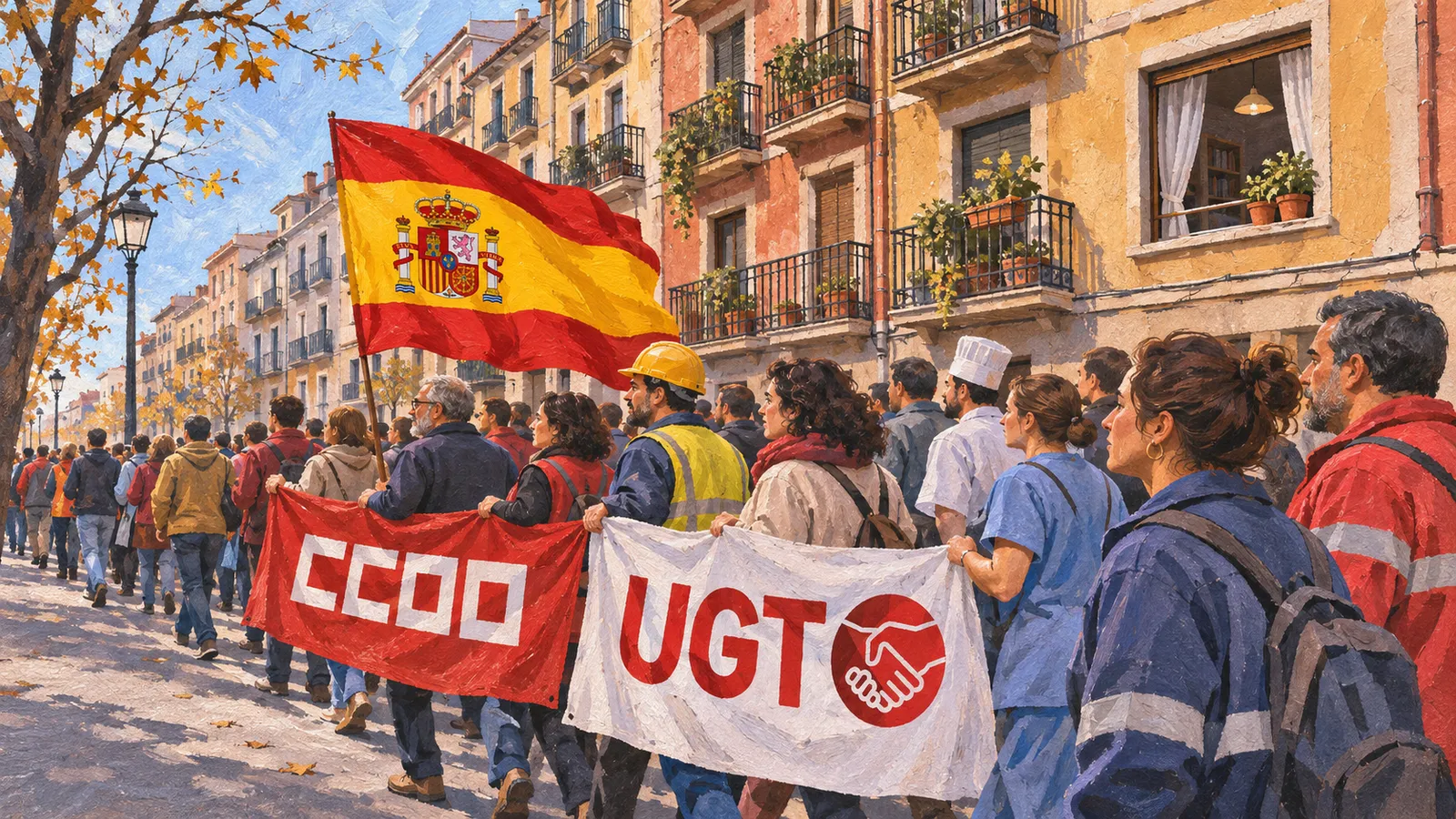
Spain’s workers begin general strike over housing costs
Workers marched and set up picket lines across the country as Spain’s two largest unions called a 24-hour walkout over housing and living costs.
3 min
 Economy
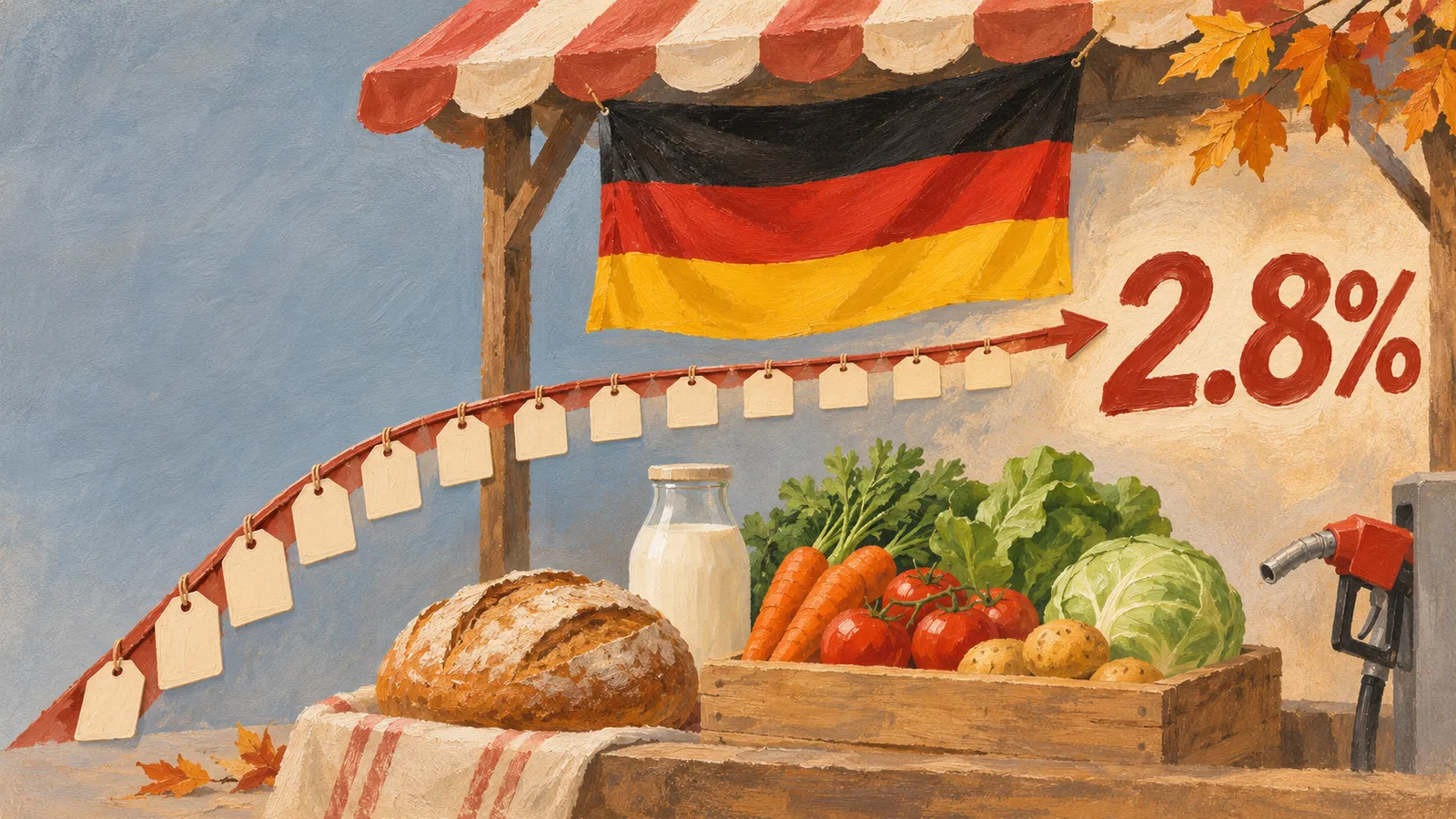
Germany’s inflation slows to 2.8% in October
The October reading confirms a preliminary estimate. A separate measure tracked by Germany’s central bank also shows annual price growth slowing from September.
1 min


