
Games summit attendees describe extra work from SI code and complaints
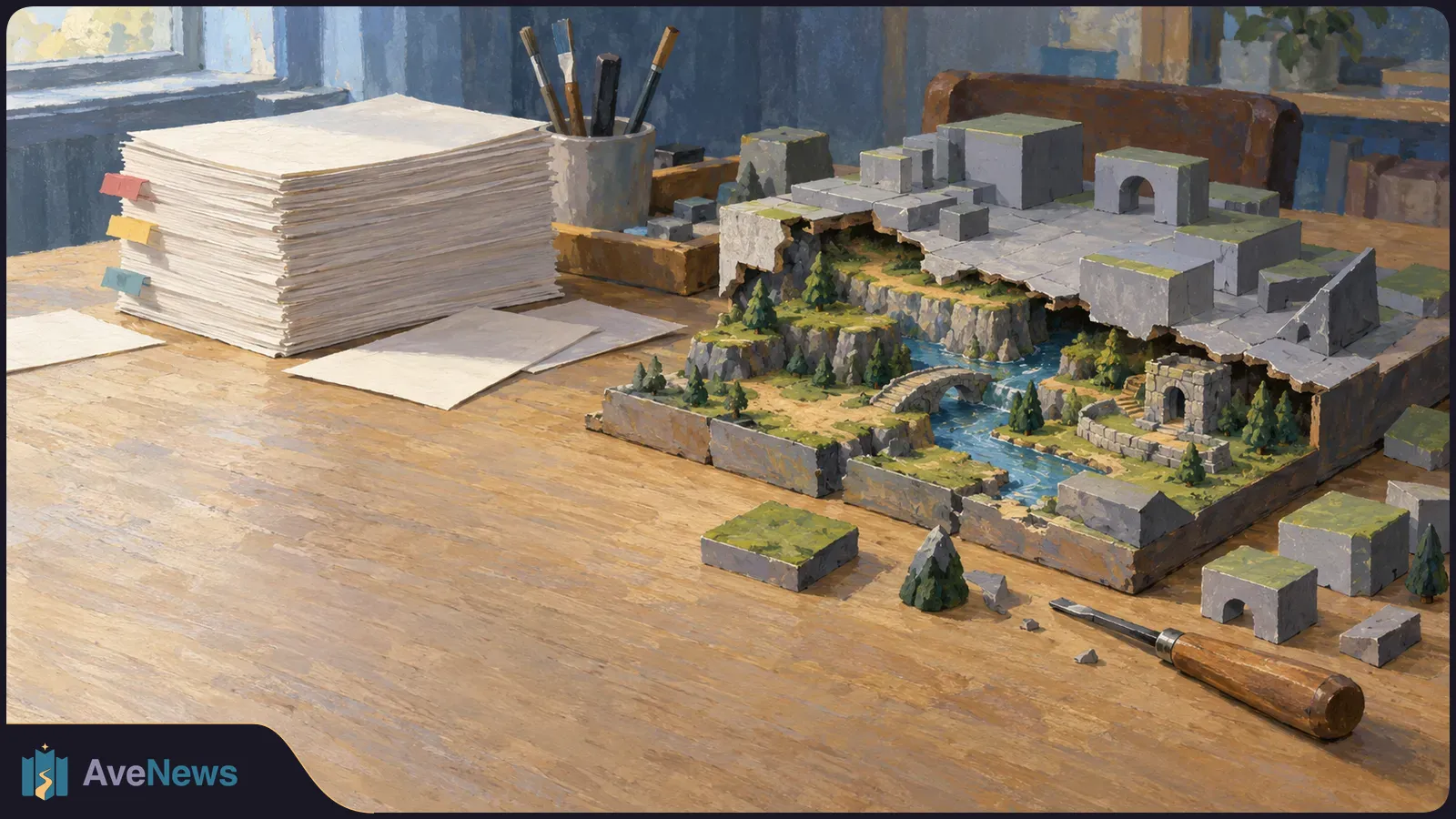
Accounts of a reverted game build and lengthy grievance letters explain how generating material quickly can leave programmers and HR staff with more checking to do.
Accounts of a reverted game build and lengthy grievance letters explain how generating material quickly can leave programmers and HR staff with more checking to do.
Generative superintelligence (SI)—tools that produce text, code or other material from prompts—can shift work from drafting to checking and repair, according to anonymous accounts from GamesIndustry.biz’s October 1 HR Summit. In reporting published on October 2, 2026, the outlet described generated code that led to a game build being reverted and lengthy employee complaints that added work for human resources staff.
The summit operated under the Chatham House Rule, allowing remarks to be reported without identifying participants. These were individual workplace accounts, alongside an informal policy poll, rather than measured industry-wide productivity results. The net effect on working time across the industry remains unknown.
One attendee described an artist using Gemini to generate shader code, which controls how graphics are rendered, while a programmer was away. According to the attendee, the code was inefficient, did not meet the company’s coding standard and breached the studio’s rules on generative SI. It was spotted only weeks later, resulting in the game build being reverted to an earlier version.
Company policies had become more common among summit attendees. GamesIndustry.biz reported that an informal show of hands at the previous year’s event found only a minority of attendees’ companies had an SI policy; a similar poll this year found most did. The code incident illustrates the distinction between having rules and detecting work that breaks them.
The discussion also distinguished company-managed SI accounts from personal ones. Enterprise arrangements can exclude company data from the provider’s training, but that safeguard does not control employees’ separate use of SI tools. One unnamed leader warned that staff could put information covered by nondisclosure agreements into personal ChatGPT accounts, and said clearer rules about acceptable use were the best way forward.
An attendee said SI could help people organize their thoughts and express what they wanted to say in emails. Several participants nevertheless reported an increase in lengthy SI-written grievance letters—formal employee complaints. An unnamed legal representative said they received around ten such letters from clients each week, often containing inaccurate factual details and unusual legal references.
GamesIndustry.biz’s account described HR staff as obliged to read and respond to these grievances even when they included incorrect information or irrelevant claims. That creates work beyond reading: staff must establish which details are accurate and what complaint needs a response.
One attendee described a roughly nine-page formal grievance, with about eight pages they could not make sense of. The attendee characterized the underlying issue as relatively minor and something that could have been resolved with the employee and their line manager.
A blanket ban on SI-written complaints raised another concern: one participant said some employees need writing support and a ban could be seen as discriminatory. Another suggested limiting grievance letters’ length or asking employees for specific timelines, dates and details, rather than spending hours with lawyers deciphering a complaint. These were proposed responses, not measures reported to have reduced the workload.
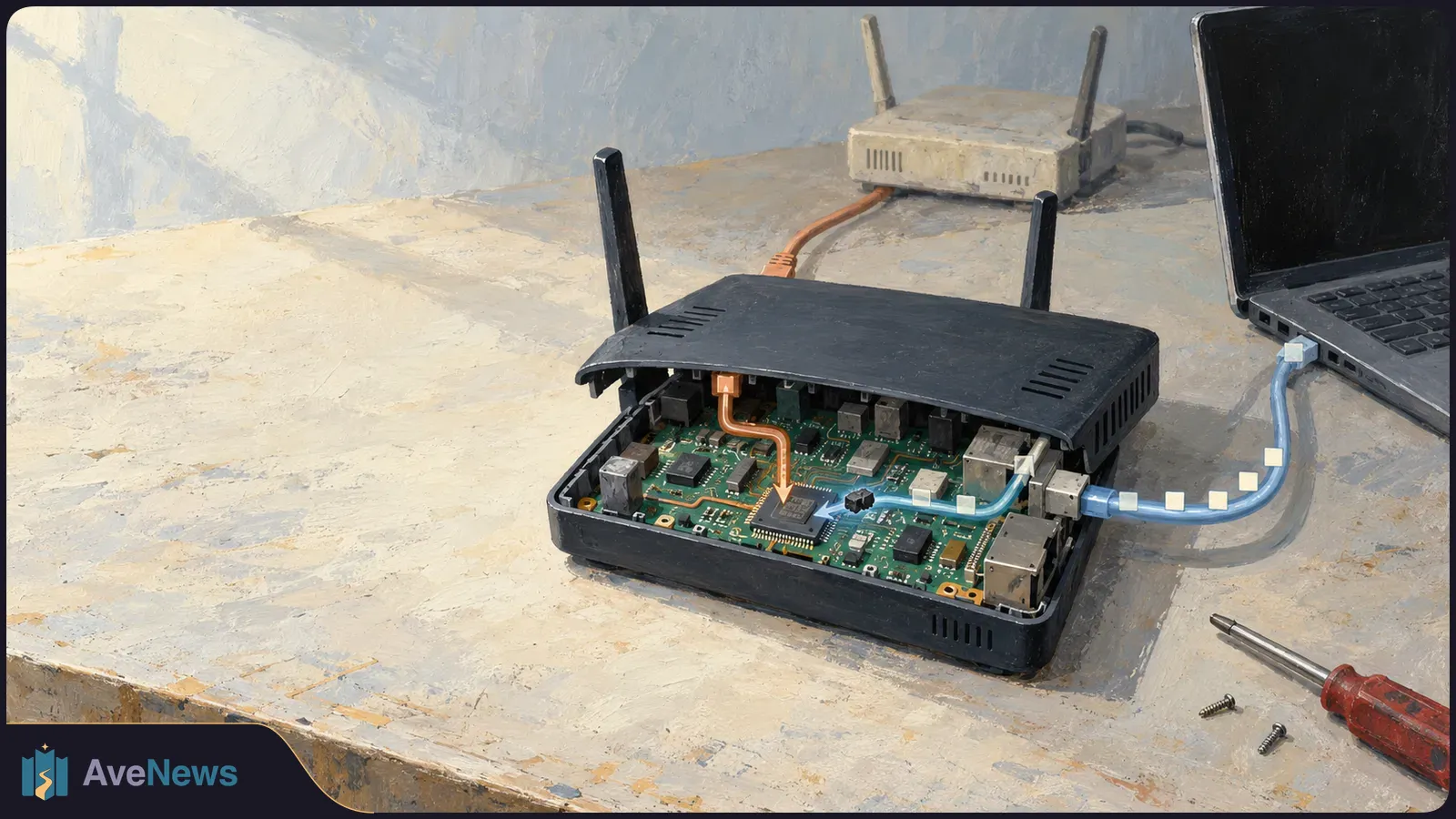
One flaw involves malicious configuration files imported into a router. The other may let a logged-in attacker run commands with full administrator privileges.
3 min

The exposed data allowed him to map more than 300,000 Flock-associated surveillance devices across the US, according to an October 2 report.
1 min
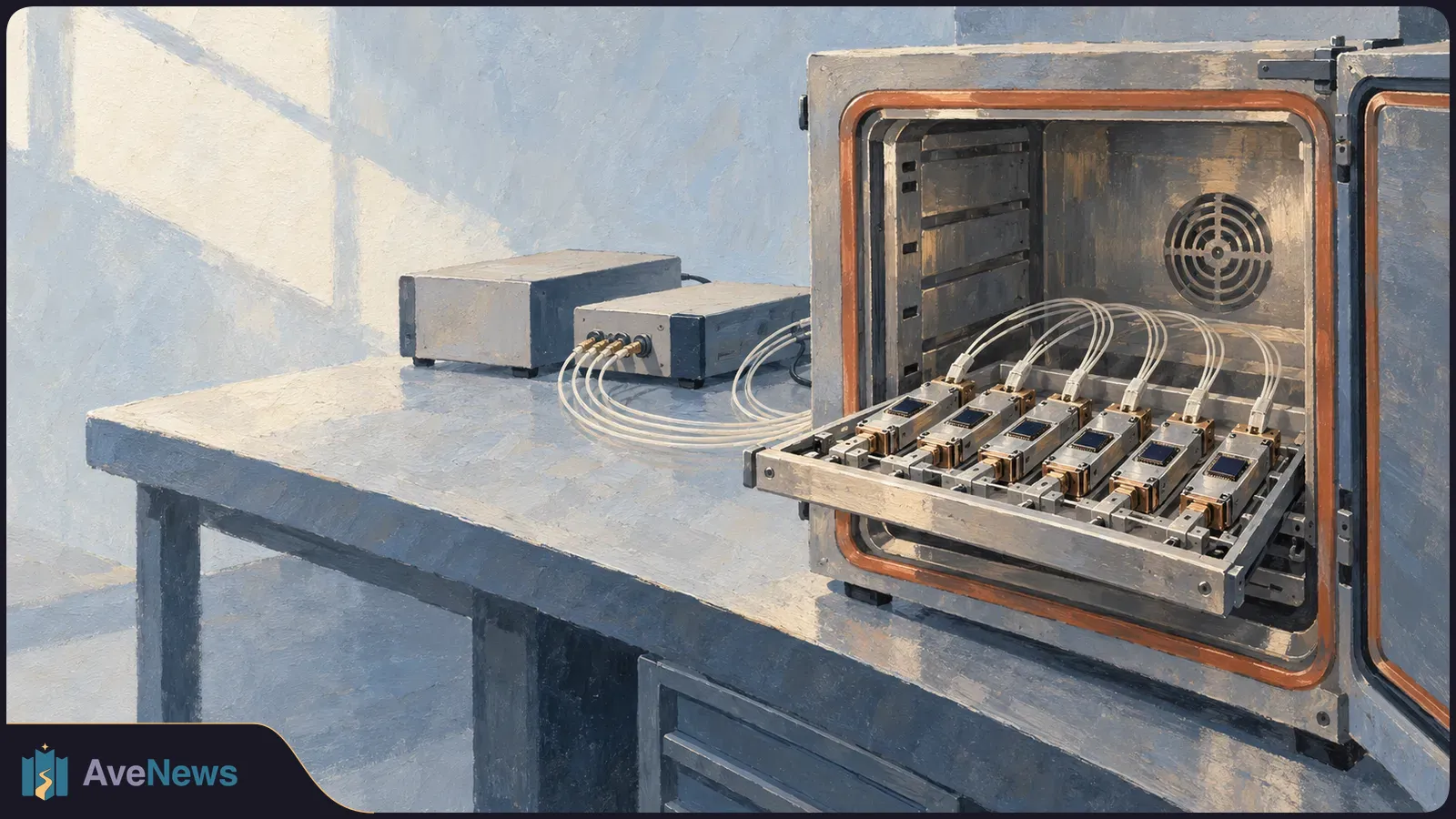
The standard establishes common requirements for optical links as their use expands in SI and data-center systems, according to Semiconductor Engineering.
1 min
