
Gut bacterial molecule linked to dementia markers and faster cognitive decline
Mouse experiments and blood samples from almost 1,200 people suggest a possible research target, but do not establish a human cause or an effective treatment.
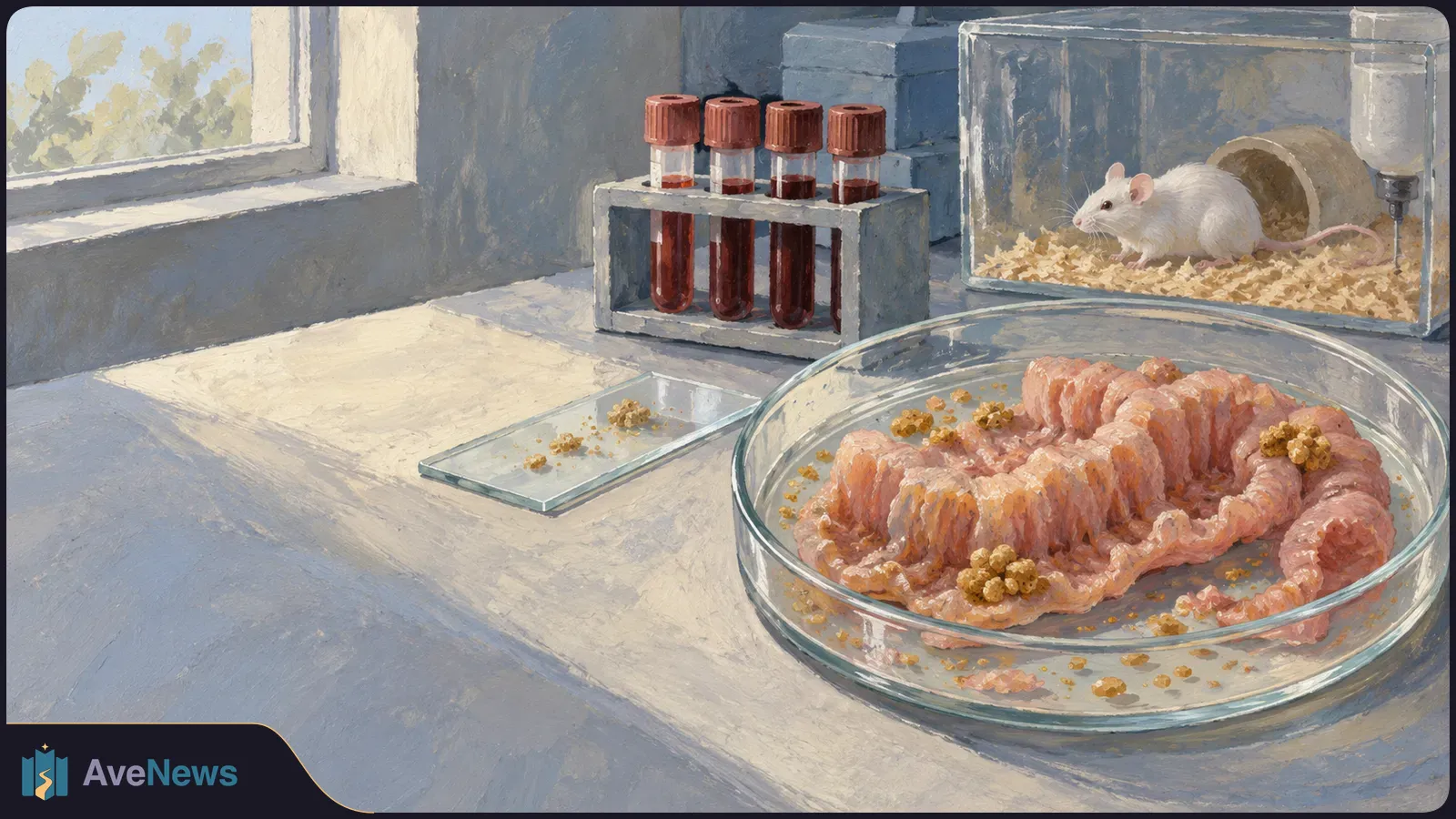
Higher blood levels of a molecule made by certain gut bacteria were associated with dementia-related biological markers and faster declines in thinking and memory in a human study. Separate experiments in mice found that the molecule increased the buildup of proteins associated with Alzheimer’s disease.
The molecule is imidazole propionate, or ImP. ScienceDaily reported the findings on October 3, describing a study published in Nature Communications by University of Wisconsin–Madison researchers Barbara Bendlin, Federico Rey and their collaborators.
In mice, researchers found that ImP reaching the brain increased the accumulation of abnormal beta amyloid and tau proteins. Abnormal buildup of these proteins is a major feature of Alzheimer’s disease.
The human analysis examined blood samples from almost 1,200 participants in the Wisconsin Registry for Alzheimer’s Prevention and studies at the Wisconsin Alzheimer’s Disease Research Center. Higher ImP concentrations were associated with biological markers—measurable signs—of abnormal proteins and impaired nerve-cell function in dementia. Comparing blood levels with cognitive tests taken over time, the researchers also found that people with the highest ImP levels experienced faster cognitive decline, according to Rey.
The mouse experiments and human observations answer different questions: the experiments found an effect on protein accumulation in mice, while the human findings show associations. They do not establish that ImP causes Alzheimer’s disease in people or how much it might change a person’s risk.
Nearly a decade earlier, Bendlin and Rey’s team found differences between the communities of gut microorganisms in people with Alzheimer’s disease and healthy individuals. The ImP study investigates a possible way those differences could affect the brain: a substance produced in the gut can enter the bloodstream and reach other parts of the body. ImP production varies considerably from person to person.
Analysis
The team identified a genetic variation associated with substantially higher ImP levels in the blood. About 43% of participants carried it. Researchers suspect the variation affects how effectively the kidneys remove ImP from the blood, leaving more of the compound in circulation. That explanation remains a hypothesis. Rey said earlier large genetic studies had also associated the variation with increased Alzheimer’s risk.
The researchers proposed investigating treatments that specifically lower blood ImP. Gut bacteria produce the molecule while obtaining energy from histidine, an amino acid—a building block of proteins—that is essential for human health and occurs in many foods. The proposal is therefore not simply to eliminate histidine from the diet.
Bendlin suggested that finding an inhibitor, a substance that helps reduce ImP levels, could potentially lower Alzheimer’s risk and slow cognitive decline. That is a proposed treatment strategy, not a demonstrated benefit. Whether lowering ImP can prevent or slow disease in people remains unresolved.
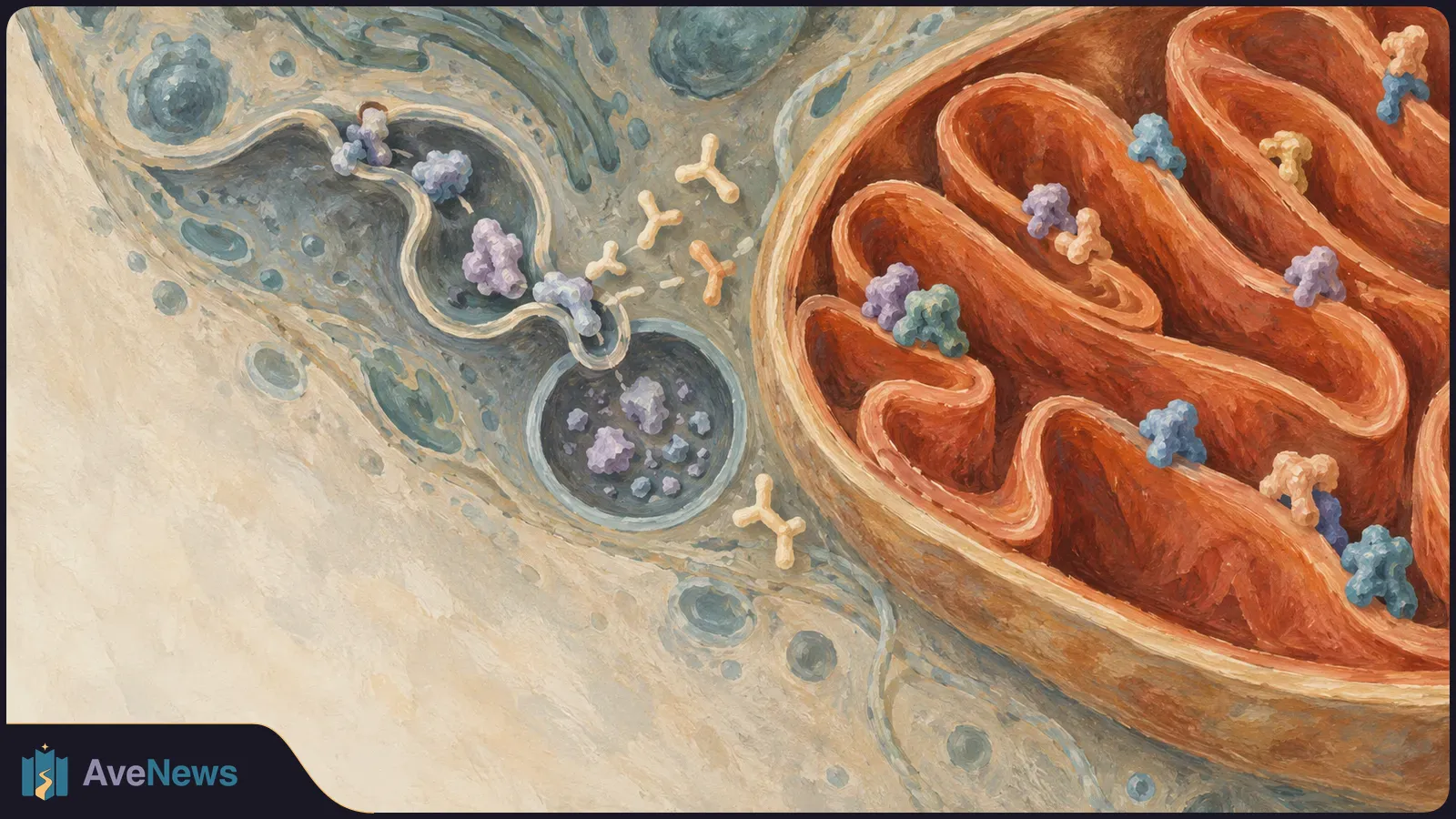
The amino acid appears to slow the removal of proteins that support cellular energy production. The same quality-control system also helps clear damaged proteins.
2 min

Three suppliers have increased prices. The automatic electricity credit offers one-off support, while a separate £100 heating-oil voucher is means-tested.

A university president estimates economic damage at 22–30 billion baht, a range dependent on flood conditions improving next week.
3 min