
IPPF survey finds shortages of HIV tests and prevention medicines
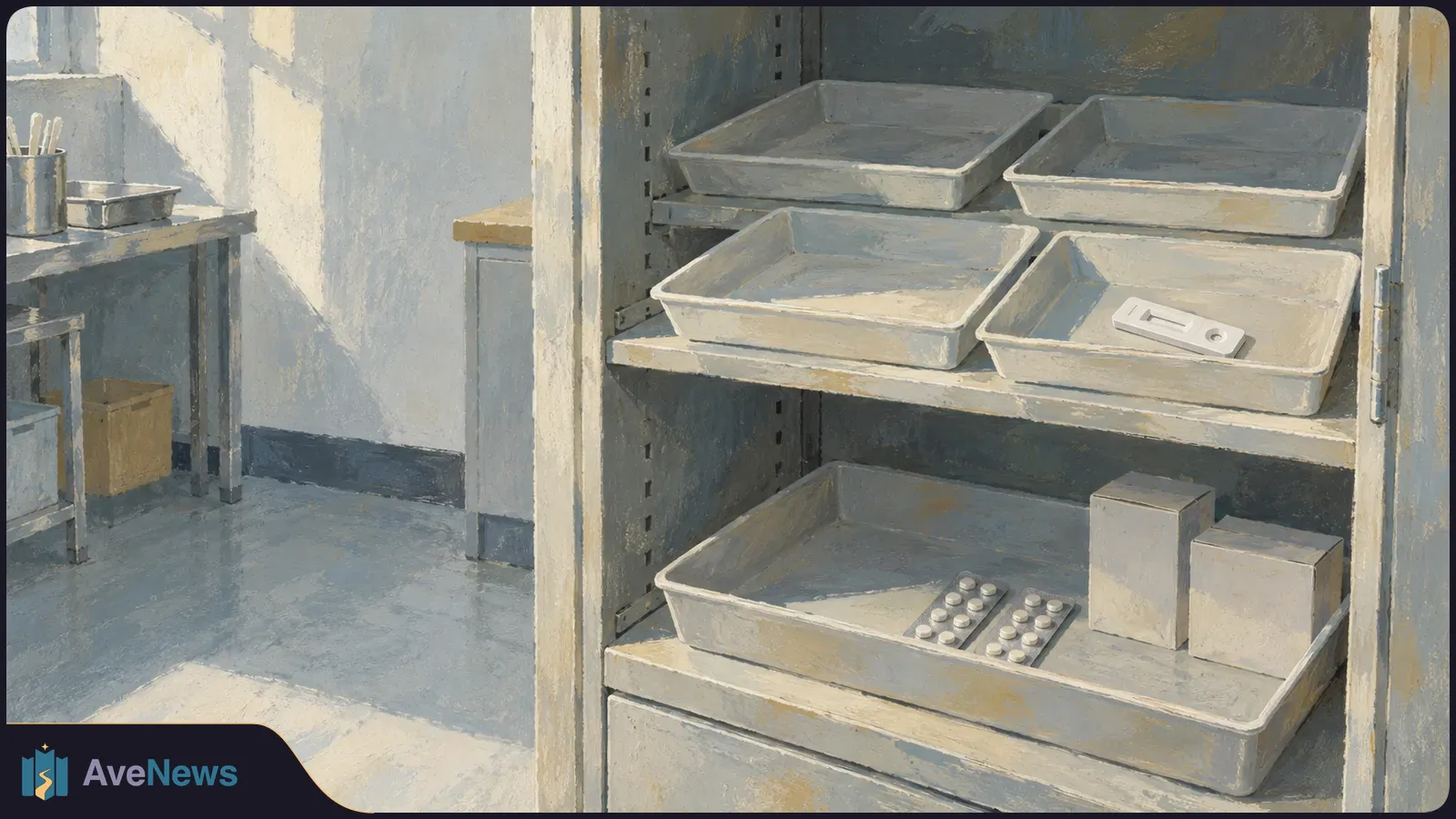
Five responding associations had no rapid HIV tests, while 12 reported low or exhausted supplies of medicines used to prevent infection.
Five responding associations had no rapid HIV tests, while 12 reported low or exhausted supplies of medicines used to prevent infection.
More than half of 40 HIV care providers responding to an International Planned Parenthood Federation (IPPF) survey reported running out of at least one product during the preceding year. Rapid HIV tests were the most affected product, with shortages preventing more than half of respondents from maintaining testing where patients receive care, the Guardian reported on 5 October.
IPPF is a sexual and reproductive health network operating in more than 170 countries. The survey covered 40 responding member associations; its figures describe those providers, not all HIV services worldwide.
Shortages also affected oral and injectable pre-exposure prophylaxis, or PrEP: prescription medicine taken to reduce the risk of acquiring HIV. Twelve associations reported low stocks or no stocks of PrEP.
| Measure | Reported result |
|---|---|
| Ran out of a product during the preceding year | 55% |
| Had no remaining stock of a product when questioned | 40% |
| Had at least one product at low stock levels when questioned | 60% |
| Had low stocks of rapid HIV tests | 17 associations |
| Had no rapid HIV tests available | 5 associations |
| Had low stocks or no stocks of oral or injectable PrEP | 12 associations |
The 40% figure means that a provider had exhausted a particular product—not that all HIV medicines were unavailable. Respondents also described unreliable supplies of condoms and antiretroviral therapy, the medicines used to treat HIV.
The Guardian links the supply disruption to aid cuts and reports that aid spending fell by about 23% in 2025 compared with 2024. Mallah Tabot, a senior adviser at IPPF Africa’s regional office, described the shortages as a warning about uncertain funding and fragile supply systems.
IPPF HIV adviser Lori Miller said its partners already have the clinics, infrastructure, staff and community trust needed to provide prevention, testing and treatment, but unreliable supplies are letting them down.
It is not clear when the survey took place, how respondents were selected or how many patients were affected. The number of infections or deaths attributable to these shortages is also unknown.

Long permit processes and opposition to expansion limit disposal options, while much of the city's recyclable and compostable waste still goes into the trash.
4 min

Developers’ payments would fund shared conservation projects instead of site-by-site nutrient-neutrality measures. Ecologists question whether the plan would address pollution entering rivers.
2 min

Night-time minimums set a national record for the month, while a Kosciuszko snow gauge registered its first September zero reading.
2 min
