
Lismore finds point to a major early Christian monastery
Buildings, burial grounds and carved stone underpin archaeologists’ reassessment of the Scottish island’s monastery. Metalworking finds also point to later jewellery production.
Buildings, burial grounds and carved stone underpin archaeologists’ reassessment of the Scottish island’s monastery. Metalworking finds also point to later jewellery production.
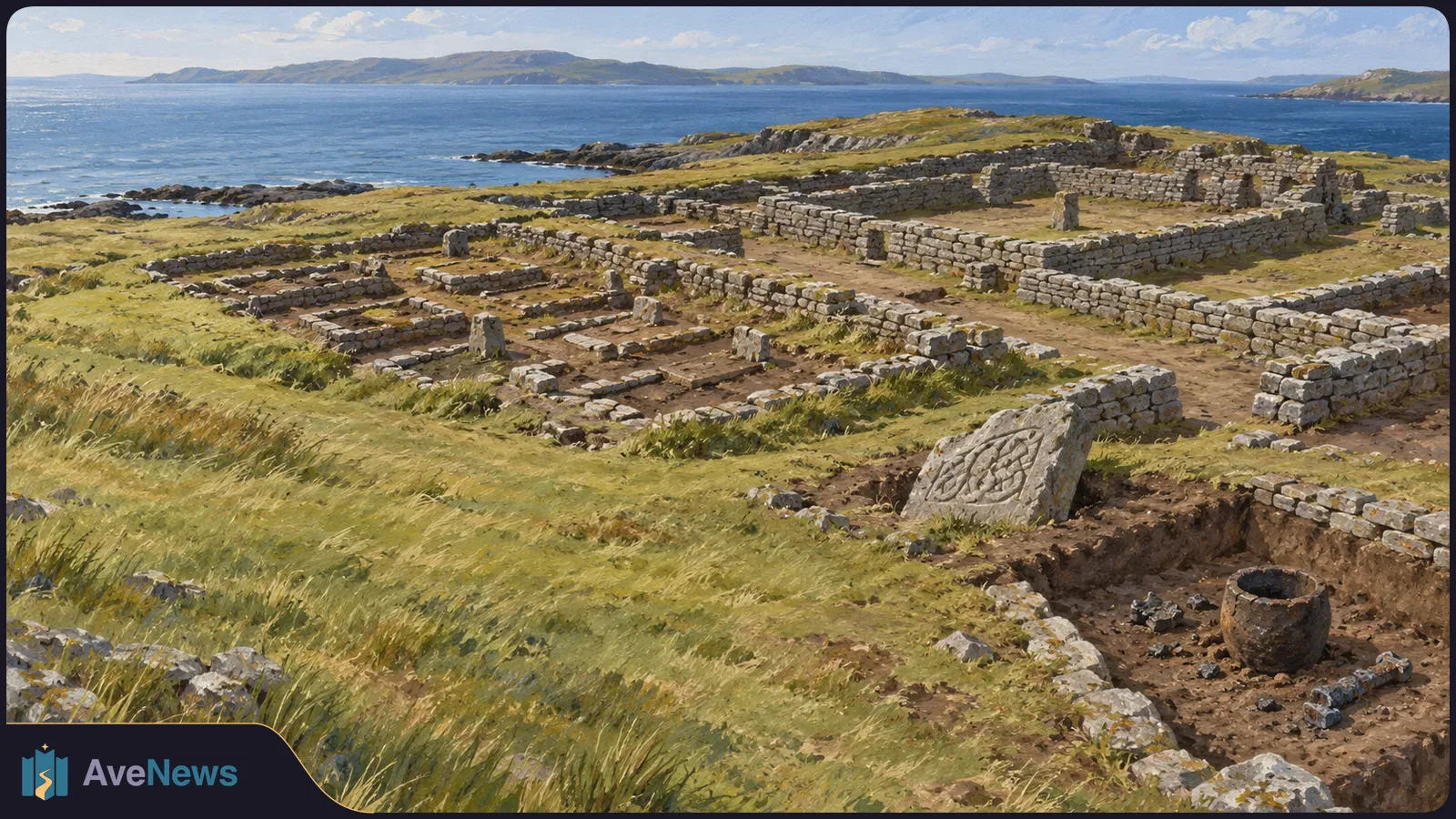
Excavations on the Scottish island of Lismore have uncovered extensive burial grounds, decorated stonework and early buildings that archaeologists interpret as evidence of a major sixth-century monastery. The discoveries substantially expand the physical evidence for the settlement, according to a Guardian report published on 30 September.
Written records already placed a monastery on Lismore, near Oban in Argyll, in the sixth century, when missionaries from Ireland were moving into northern Britain to spread Christianity. Until these excavations, little from that period was visible beyond a few fragments of an early carved cross.
Archaeologists compare the newly uncovered features with those of the better-known monastery on Iona, to the south-west. Experts quoted by the Guardian described Lismore’s monastery of Lios Mór, founded by Saint Mo Luóc, also known as Moluag, as a high-ranking establishment of international importance rather than a small island church.
This was clearly a really important early Christian establishment.
The excavators also found large numbers of crucibles—small vessels used to melt metal—reported to have been used to cast gold and silver. The Guardian described these as rare evidence of slightly later, high-status craftwork.
Robert Hay, who coordinated fundraising and volunteers for the excavations, said analysis after the digs showed that gold, copper and silver had been melted and jewellery made on the island in the seventh century. That reported craft production belongs to a later period than the sixth-century monastery.
The project began with members of Lismore’s historical society. They raised money through grants, donations, local legacies and crowdfunding, then commissioned archaeologist Dr Clare Ellis of Argyll Archaeology to lead islanders and other volunteers. The excavations took place at the site of a much later medieval cathedral.
Noble highlighted the community’s role in devising the project and working with professionals. The Guardian’s 30 September report said the excavation results would be published in a forthcoming edition of the archaeology journal Antiquity.
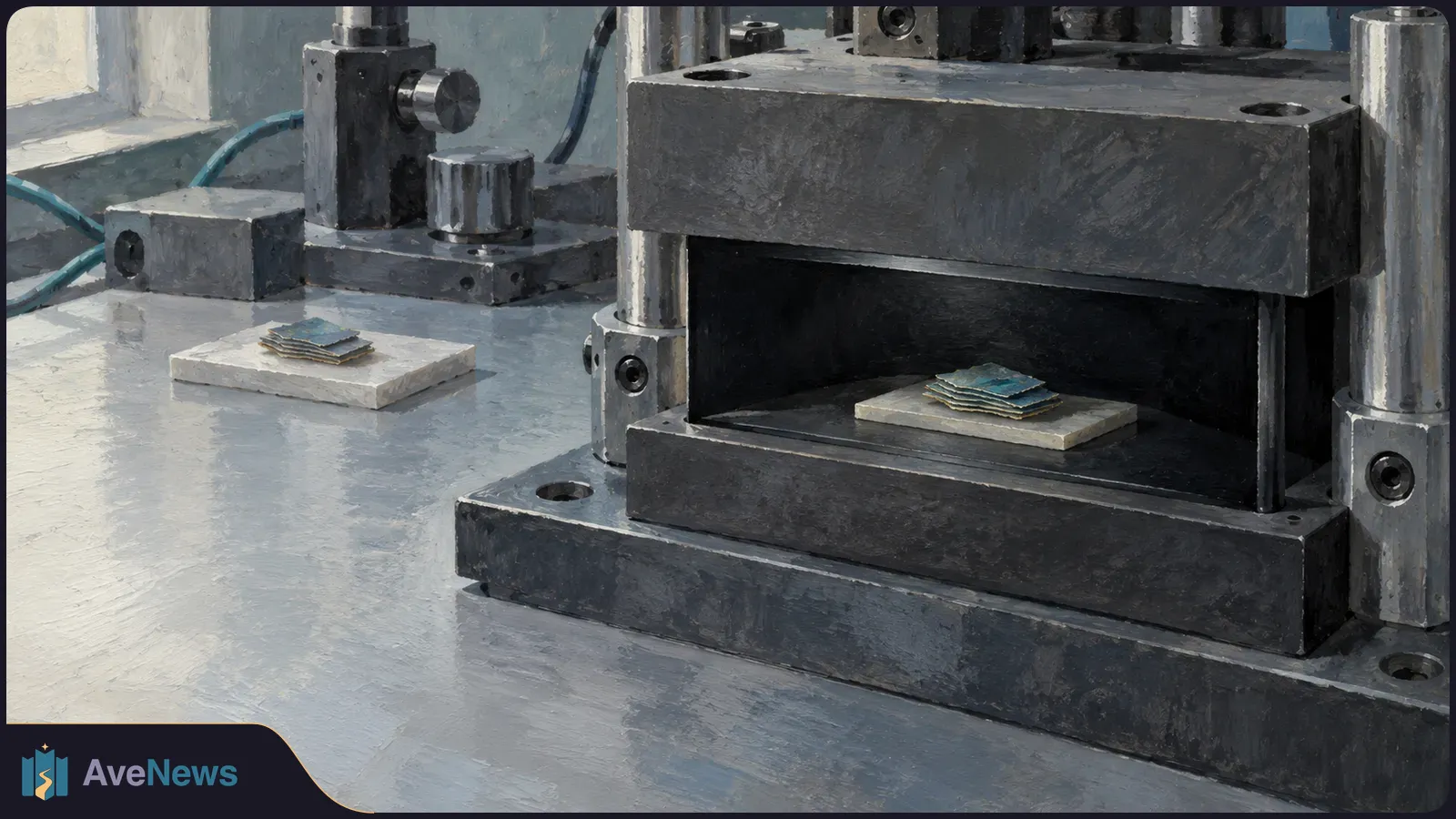
Comparisons of NbSe2 inside and outside an engineered electromagnetic cavity suggest a possible way to control superconductivity. The researchers’ vacuum-fluctuation explanation remains a proposed mechanism.
3 min
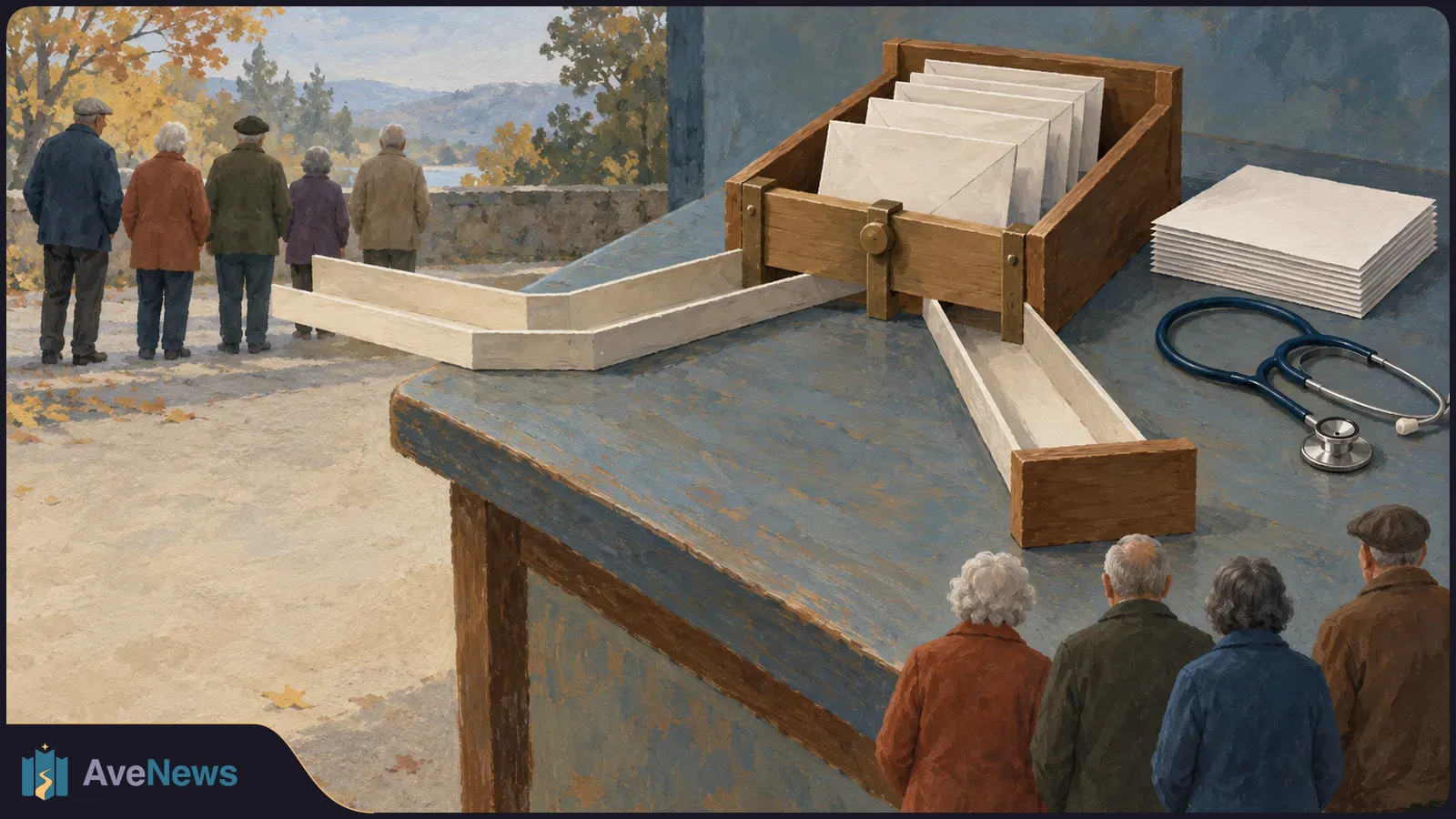
The one-time benefit targets a limited group in traditional Medicare, with most direct deposits expected on or around Friday.
2 min
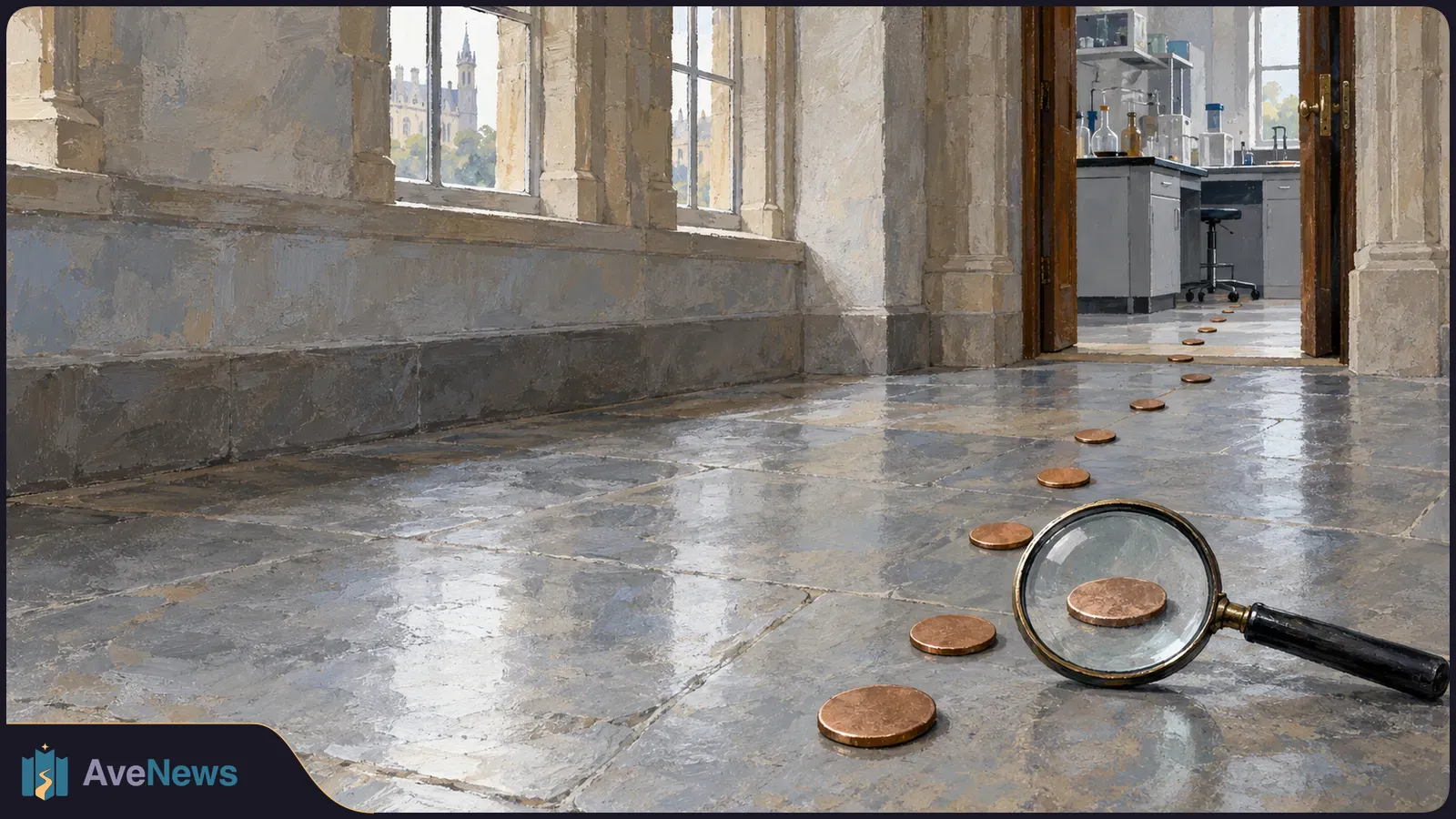
MI5 says more than 100 UK-linked academics contributed to CGTRI-funded research. China's embassy denies its allegations.
2 min
