
Capcom explains Mega Man: Dual Override’s difficulty and upgrade systems
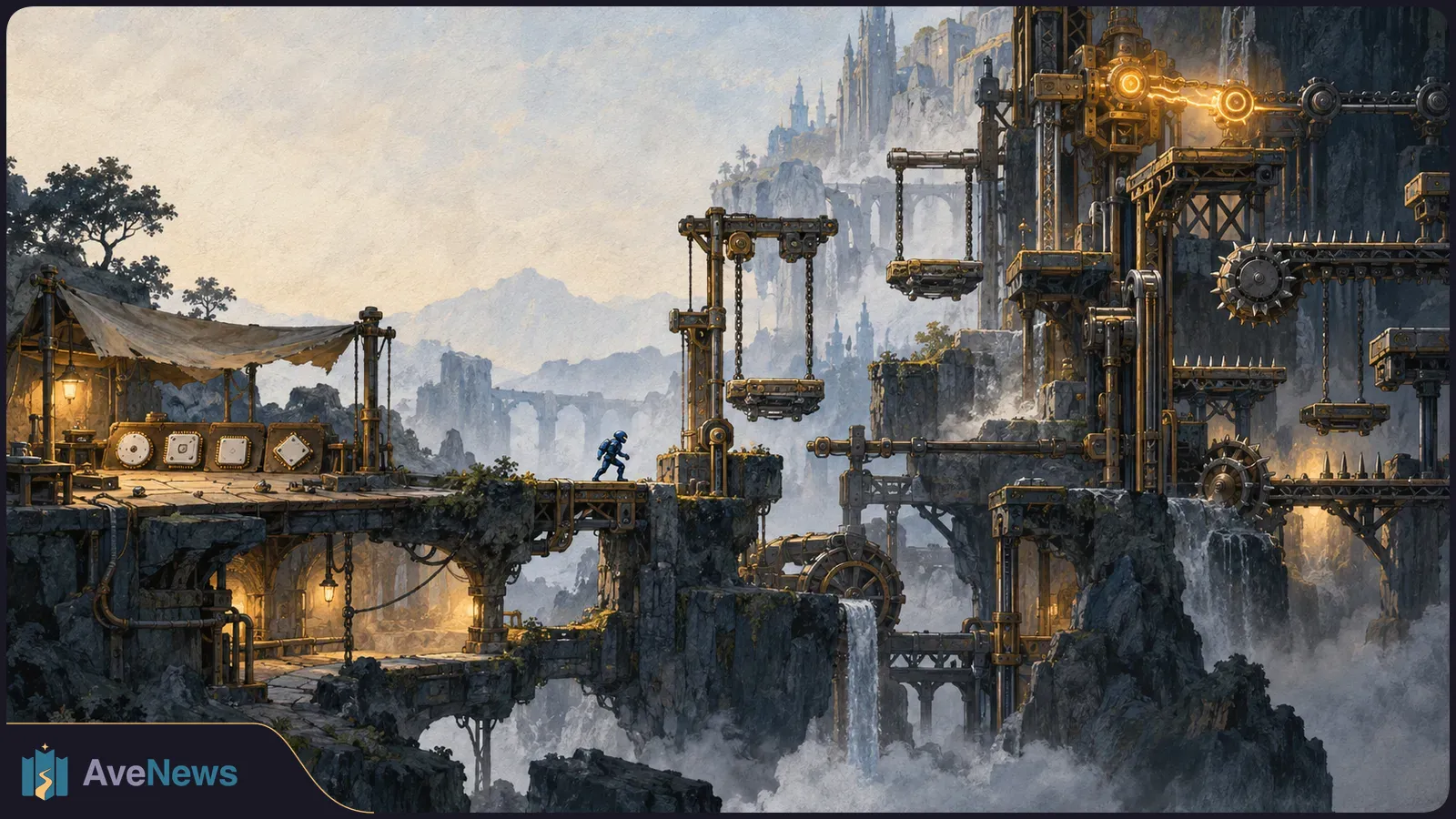
Three-part stages and more than 50 planned chips are meant to help newcomers without dropping the challenge for longtime players. Override adds a separate trade-off: power now, lost abilities afterward.
Capcom says Mega Man: Dual Override will give players who struggle with a difficult section a way to prepare elsewhere: complete an easier area in another stage, obtain character upgrades and return. The developers intend that progression loop to welcome newcomers while preserving the challenge longtime players expect.
The team described the systems in an interview published by IGN on October 1. Dual Override is an upcoming mainline entry in the Mega Man series, developed to celebrate its 40th anniversary in 2027. IGN attributed the answers collectively to Capcom because several developers contributed through one interpreter.
Each stage is divided into three areas, which deliberately become harder as players advance. Capcom says the earlier areas are designed to be friendlier, giving players a gentler starting point before the more demanding sections.
As players work through areas, they collect screws to exchange for chips that customize their character. Capcom says the game will offer more than 50 chips, including active moves that players can perform and passive effects that do not require a separate move.
The option to visit another stage connects those upgrades to the difficulty curve. A player can complete the easier first area of a different Robot Master’s stage—a stage associated with one of the game’s robot bosses—then bring new chips back to the section causing trouble. Capcom hopes customization will help players overcome challenges, but the interview provides neither detailed chip examples nor measurements of difficulty. That benefit remains a design goal, not a demonstrated result.

The override mechanic introduces a different choice. Mega Man briefly transforms and becomes stronger, but afterward loses certain abilities for a short time. The boost therefore comes with a period of reduced capability rather than being a free increase in power.
Capcom describes the weakened period as not too strenuous and says it hopes players will feel comfortable using override. The interview does not specify which abilities are lost or how long either phase lasts.
Players can choose Mega Man or Proto Man, but Capcom says that choice lasts until the end of a playthrough. Playing as the other character requires starting a separate run; players cannot switch between them within the same progression.
Both characters follow the same overarching story. According to Capcom, the difference lies in their dialogue and how their personalities emerge as the game progresses, rather than in two separate main plots.
Jake Witzenfeld followed a Jewish Israeli and Palestinian-Israeli gay couple as they became parents. He explains how the October 7 attack changed his access and the documentary’s approach to their differences.
3 min
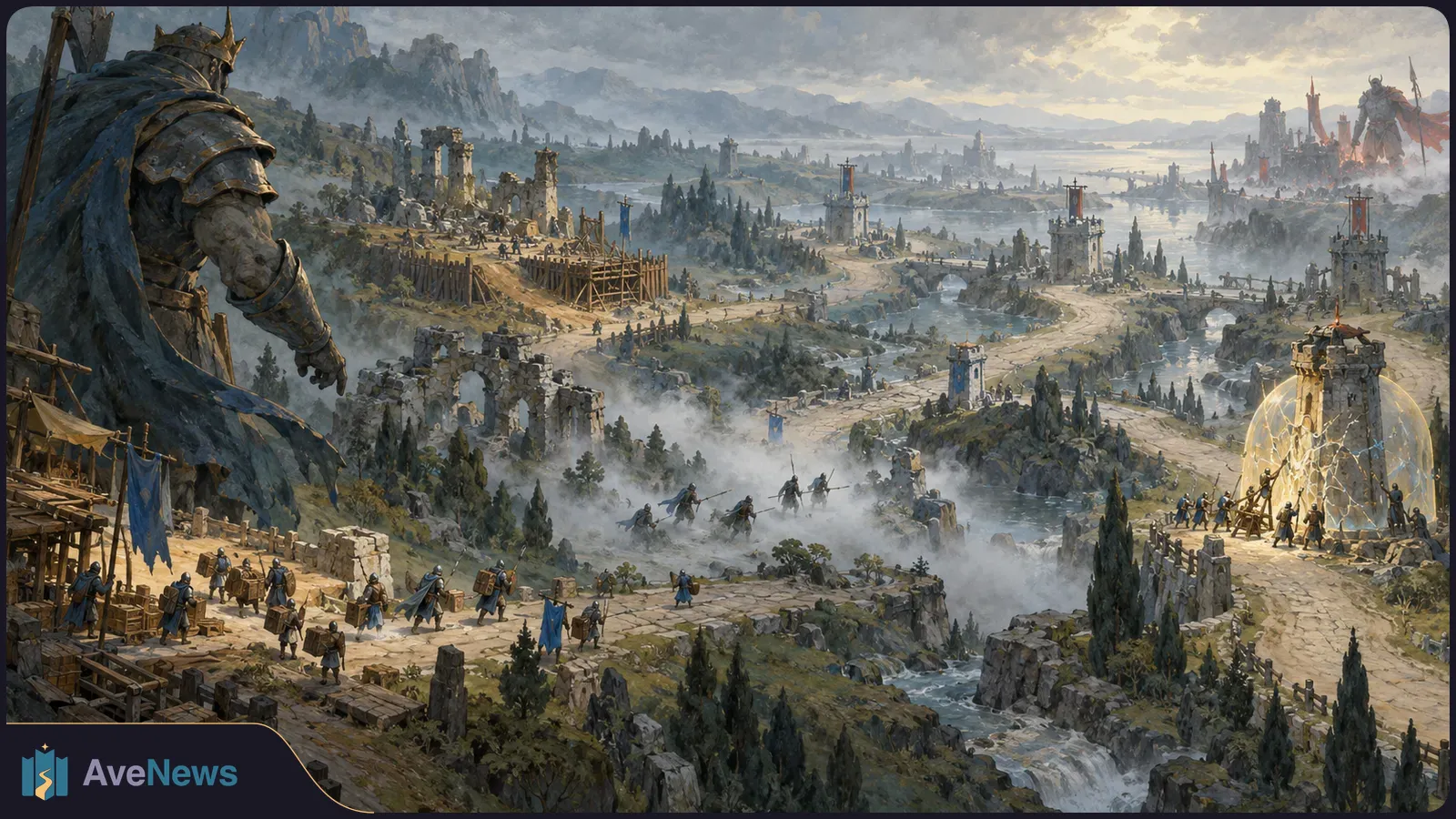
IGN’s hands-on preview describes a four-versus-four game where troops gather resources, open defenses to attack and help players change the familiar three-lane battlefield.
3 min
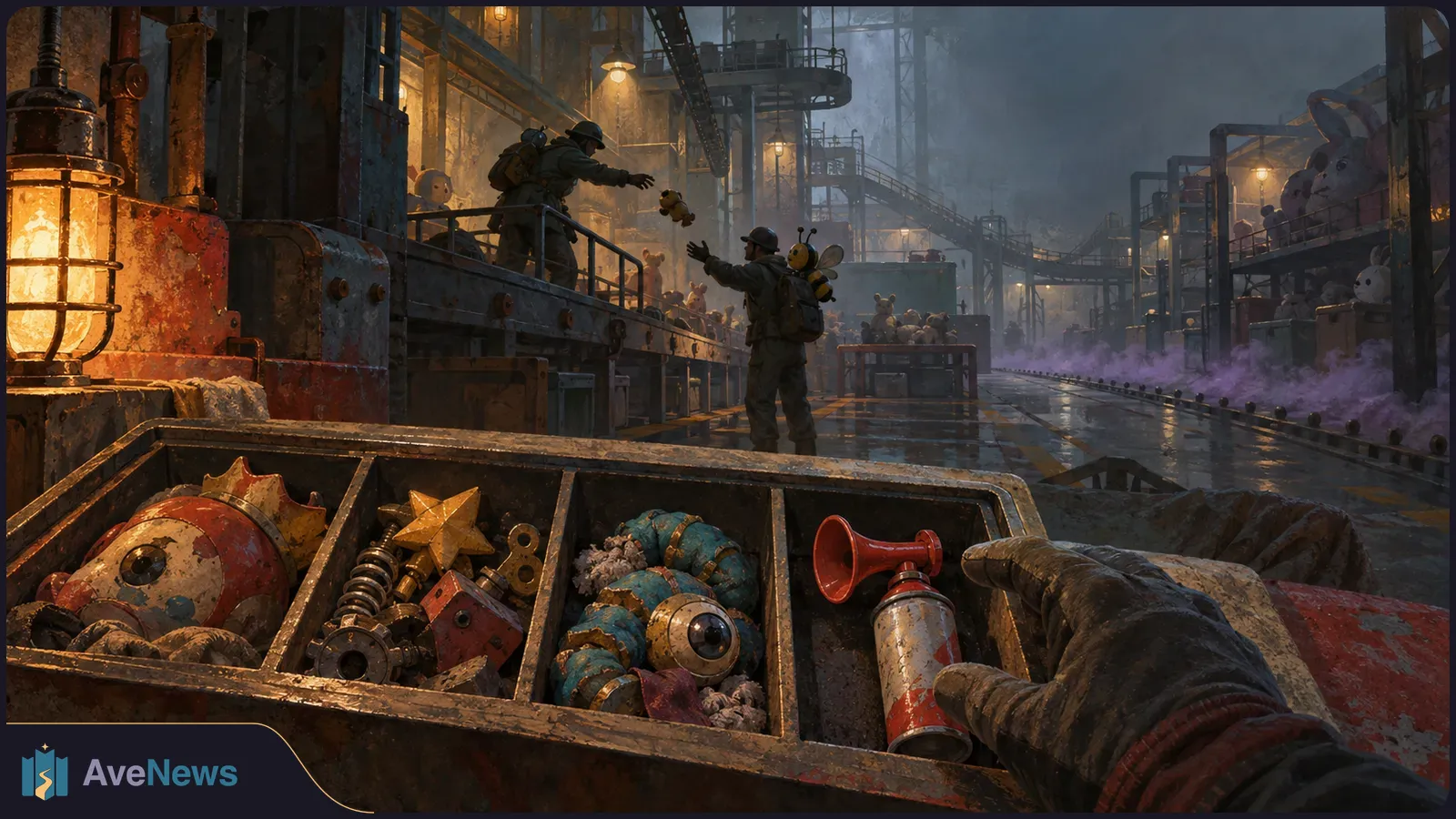
Mob Entertainment’s cooperative horror game sends players into a toy factory where rising loot quotas and enemies that require an ally’s help put teamwork under pressure.
3 min