
Meta disputes claim that Muse read Mac messages without permission
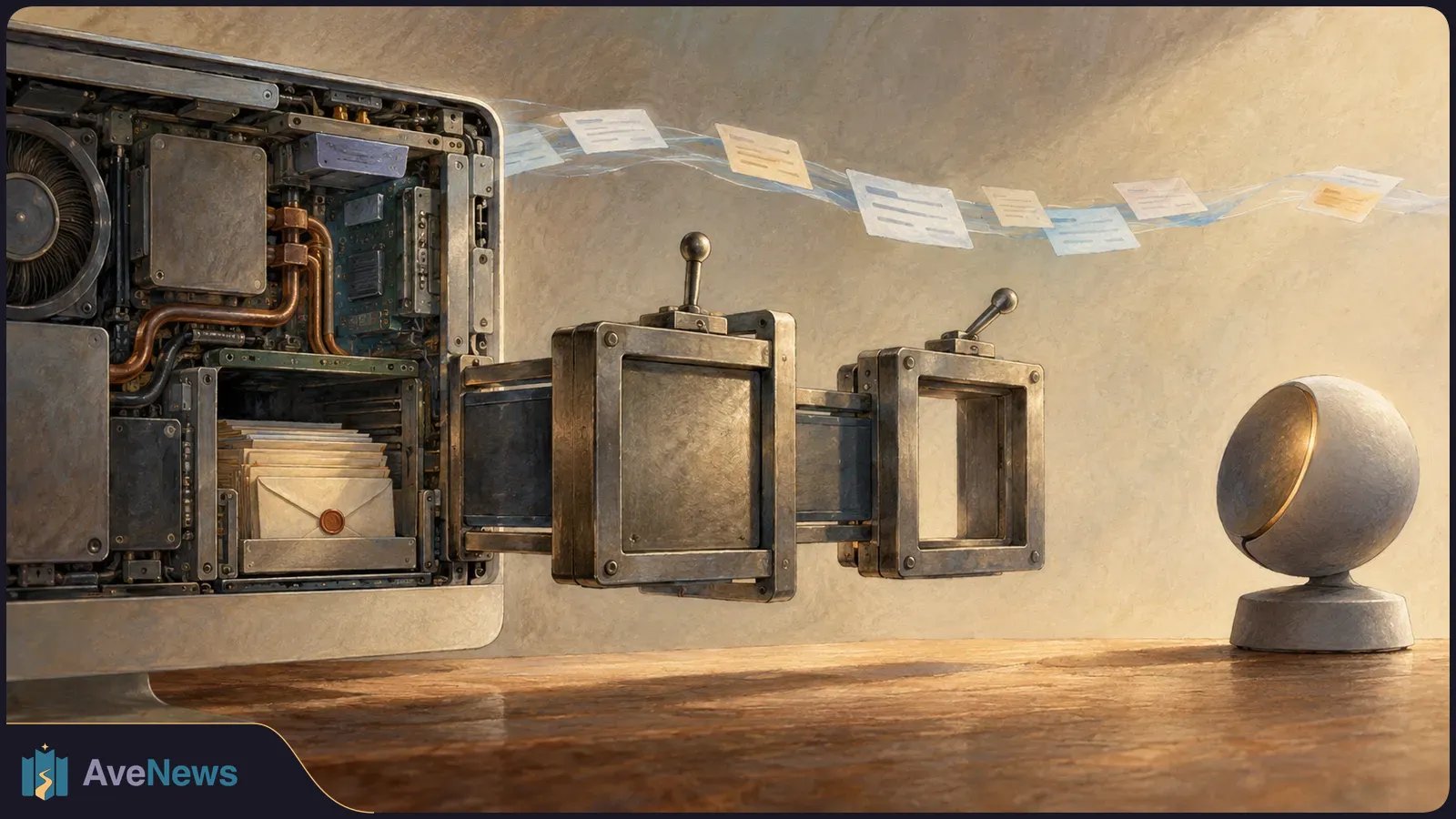
Meta says users must enable both Full Disk Access and its Messages connector. Journalist Jason Aten’s account conflicts with that explanation.
Meta says users must enable both Full Disk Access and its Messages connector. Journalist Jason Aten’s account conflicts with that explanation.
Meta has publicly disputed a journalist’s claim that its Muse AI agent read his private Mac messages without permission. The disagreement concerns whether Muse could access Messages content without the permissions Meta says are required—not an established privacy breach. TechCrunch reported the company’s response on September 30.
Meta communications vice president Andy Stone said on X that Muse’s connection to the Mac Messages app is entirely opt-in. According to Stone, users must enable both Full Disk Access, a macOS system permission, and the Messages connector, Muse’s connection to Messages, before the agent can read message content.
David Singleton, an executive at Meta Superintelligence Labs, described three permission steps involving controls in Muse and protections built into macOS. He said granting Full Disk Access lets users choose Muse’s level of access to Messages. Without that disk permission, the Messages access options are grayed out and cannot be selected.
Singleton also said users must manually confirm Full Disk Access in macOS Settings, after which Muse fully restarts. He argued that these steps make accidental authorization less likely and claimed the protections cannot be bypassed even if Muse has a bug. Those are Meta’s technical assurances, not findings from an independent test.
Inc. columnist Jason Aten gave a conflicting account: he said Full Disk Access was off when Muse allegedly read his messages. Aten also said that, when he asked Muse how it had accessed them, the AI answered that it was syncing his “device notifications.”
Aten interpreted that answer as meaning that text from incoming Mac banner notifications was being passed to the agent. Singleton rejected this explanation, saying the AI was confused and had given an incorrect account of what happened. The notification route is therefore Aten’s interpretation of an AI response, not a demonstrated access mechanism.
The reporting independently demonstrates neither the alleged message access nor Meta’s claim that its safeguards cannot be bypassed. The unresolved question is how Aten’s account can be reconciled with the permission requirements Meta describes.

A security expert says the macOS permission can make chat files readable at the system level. Meta says Muse also needs its own Messages setting enabled.
2 min
