US space agency NASA’s Crew-12 returns to Earth after 237 days
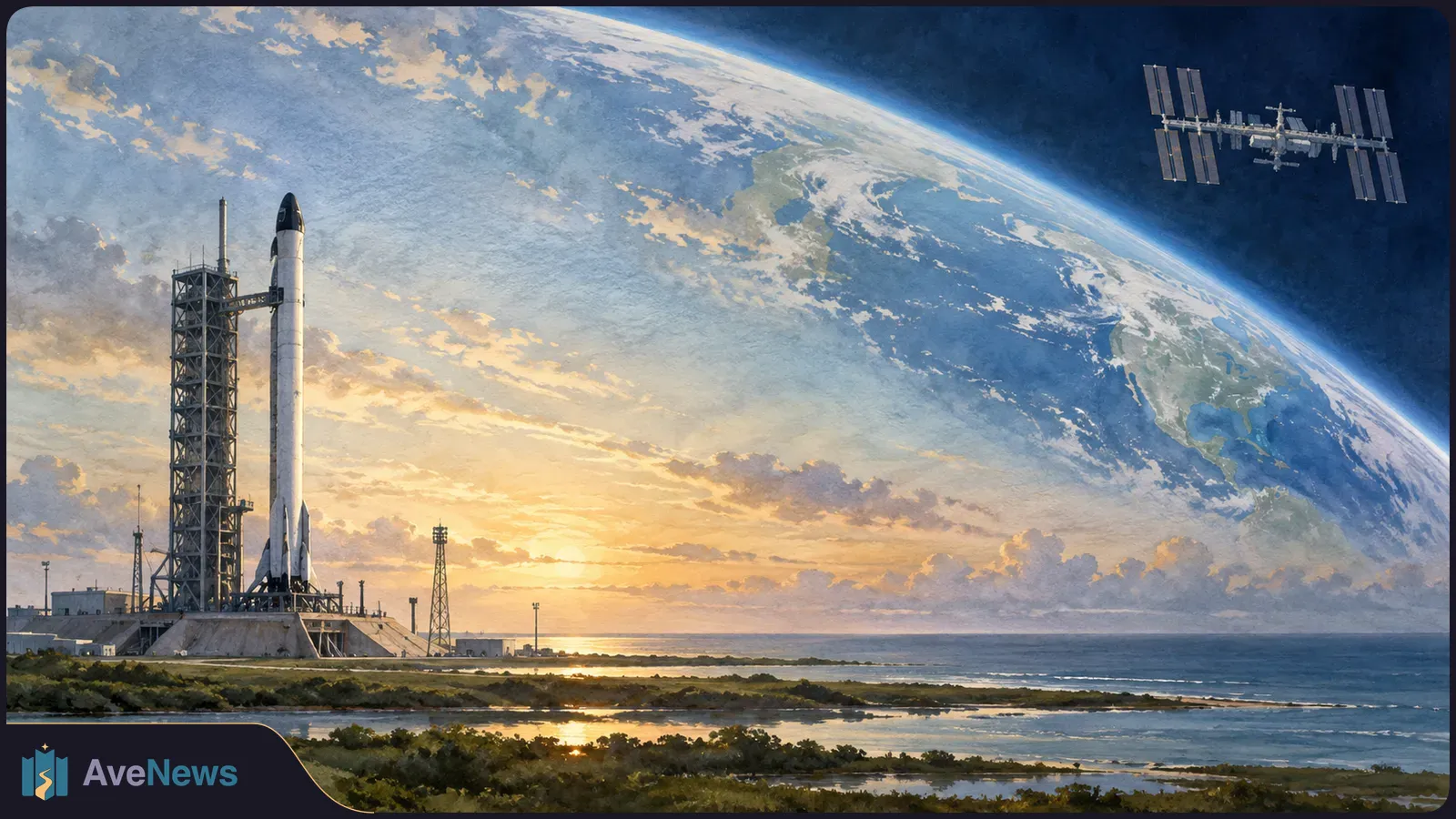
The four astronauts returned after a delayed crew change at the International Space Station.
NASA’s four-person Crew-12 mission returned safely to Earth on 8 October 2026 after 237 days. In a 12 October announcement, the European Space Agency (ESA) identified crew member Sophie Adenot’s flight as the longest mission in space by a European astronaut so far.
The astronauts had lived aboard the International Space Station since February. Repairs to their replacements’ capsule delayed Crew-13’s arrival by three weeks and prolonged Crew-12’s stay, the Guardian reported on 8 October.
NASA confirmed that SpaceX’s Crew Dragon Freedom spacecraft splashed down at 8:34 a.m. PDT in the Pacific Ocean off Los Angeles. Aboard were NASA astronauts Jessica Meir and Jack Hathaway, ESA astronaut Adenot of France and Roscosmos cosmonaut Andrey Fedyaev of Russia. The Guardian reported on 8 October that seven astronauts remained aboard the station, representing the US, Russia and Canada.
ESA says Adenot is back in Europe and will begin post-flight data collection and rehabilitation while readjusting to life on Earth. Those are the next steps following her record-length stay aboard the station.
Crew-13’s arrival on 1 October enabled Crew-12 to leave, according to NASASpaceflight’s 6 October report. Freedom undocked from the upper-facing port of the station’s Harmony module on 7 October at 12:05 UTC (8:05 a.m. EDT). NASA’s 30 September plan had called for a brief handover and departure no earlier than 5 October; its 5 October announcement targeted 7 October.
NASASpaceflight reported that Freedom fired its thrusters immediately after undocking to move away from the station before lowering its orbit. It described the remaining return sequence as an engine burn to leave orbit, disposal of the unpressurized trunk section and re-entry into Earth’s atmosphere. The report named SpaceX’s Shannon as the planned recovery vessel.

NASA’s 5 October announcement had made departure conditional on spacecraft and recovery-team readiness, Pacific weather off California and other factors. Mission managers monitored the recovery area, and the landing schedule remained subject to changes during flight operations.
NASA said SpaceX recovery teams retrieved Freedom and its crew shortly after landing. The agency’s 8 October announcement set out standard postflight medical checks, a flight to shore and a return to NASA’s Johnson Space Center in Houston.
Crew-13 launched on 1 October at 11:10 a.m. EDT (15:10 UTC), aboard a Falcon 9 rocket and Dragon spacecraft from Space Launch Complex 40 at Cape Canaveral Space Force Station in Florida. NASA confirmed the launch in its 1 October announcement; Ars Technica reported the liftoff time that day.
Dragon’s Grace capsule docked seven hours and 55 minutes later, against a prelaunch projection of seven hours and 50 minutes. The Guardian’s 2 October report described this as the fastest launch-to-docking trip to the station by a US spacecraft. That record measures journey time, not spacecraft speed: the distance between the spacecraft and station at launch greatly affects the trip’s length.
Falcon 9 carries Dragon into orbit. Dragon then adjusts its course to match the station’s path, lines up with a docking port and locks on. Crew-13 docked at Harmony’s forward-facing port at 23:05 UTC on 1 October, NASASpaceflight reported, using the location assigned in NASA’s prelaunch plan. Harmony is a connecting module with docking locations for visiting spacecraft.
NASA announced Crew-13’s postponement in late August after teams detected an oxidizer leak in Dragon’s propulsion system at Cape Canaveral. An oxidizer reacts with fuel to power the spacecraft’s thrusters. SpaceX traced the leak to a valve and said replacing it avoided the much longer delay that draining the propellant and taking the spacecraft apart would have required, Ars Technica reported on 1 October.
In that report, Bill Gerstenmaier, SpaceX’s vice president of build and flight reliability, said teams cut the welded valve out of a propellant line and welded in a replacement. The tank remained full of nitrogen tetroxide, a volatile, toxic oxidizer that reacts with hydrazine fuel. SpaceX obtained special permission for the welding from the Space Force’s Eastern Range. Ars Technica described it as the company’s first such repair on a fully assembled Dragon loaded with propellant.
Dana Weigel, identified in the 1 October report as NASA’s station program manager, said NASA reviewed the repair plans, data and welds and was satisfied with the fix. Ars Technica reported no leaks during final launch preparations and said the propulsion system appeared to be working well in orbit. Engineers were still testing the faulty valve on 1 October to establish the underlying cause.
ScienceDaily’s 29 September report described Crew-13’s quarantine at NASA’s Johnson Space Center in Houston, a standard precaution to reduce the chance of illness before launch. It listed 26 September as the scheduled travel date to NASA’s Kennedy Space Center. The earlier plans also called for final preparations and readiness reviews covering the crew, station, Dragon and Falcon 9, with timing subject to operational changes.
Crew-13 commander Jessica Watkins began her first flight as commander and second spaceflight, following a 170-day station stay in 2022. Ars Technica reported on 1 October that the NASA astronaut became the first Black woman to command a spacecraft. Crew-13 launched with NASA astronaut Luke Delaney as pilot and Canadian Space Agency astronaut Joshua Kutryk and Roscosmos cosmonaut Sergey Teteryatnikov as mission specialists.
The four Crew-13 members entered the station on 1 October and joined Expedition 75, the group carrying out a long-duration station mission. Their planned six-month stay includes scientific research, station maintenance, technology demonstrations and other work. NASASpaceflight’s 6 October report said the next operational crew flight, Crew-14, was expected to launch no earlier than March 2027.
NASA has scheduled a news conference with returning Crew-12 members Jessica Meir, Jack Hathaway and Andrey Fedyaev to discuss their science mission at 3:30 p.m. EDT on 15 October at Johnson Space Center in Houston. NASA says Sophie Adenot will not be available during the conference.
The holographic principle says that everything inside a region of space might be fully described by information on its surface. A Quanta Magazine essay separates the math behind the idea from open questions about whether it applies to our universe.
7 min
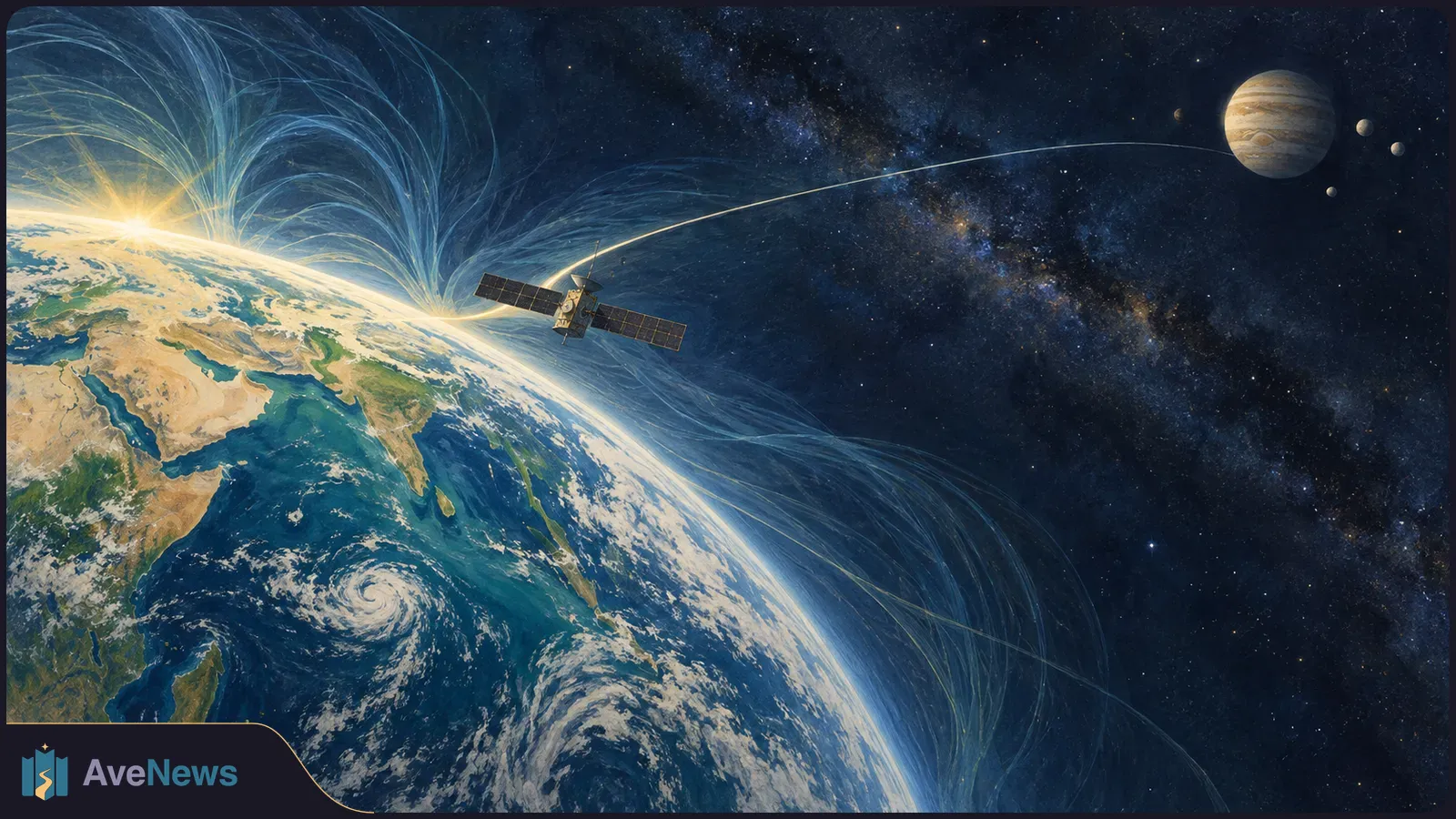
On 28 September, ESA's Juice spacecraft passed 8,640 km above the Indian Ocean. Earth's gravity changed its direction by 20° and increased its speed by 3.5 km/s. Mission teams also used the pass to test its instruments and to study Earth's magnetic field.
4 min
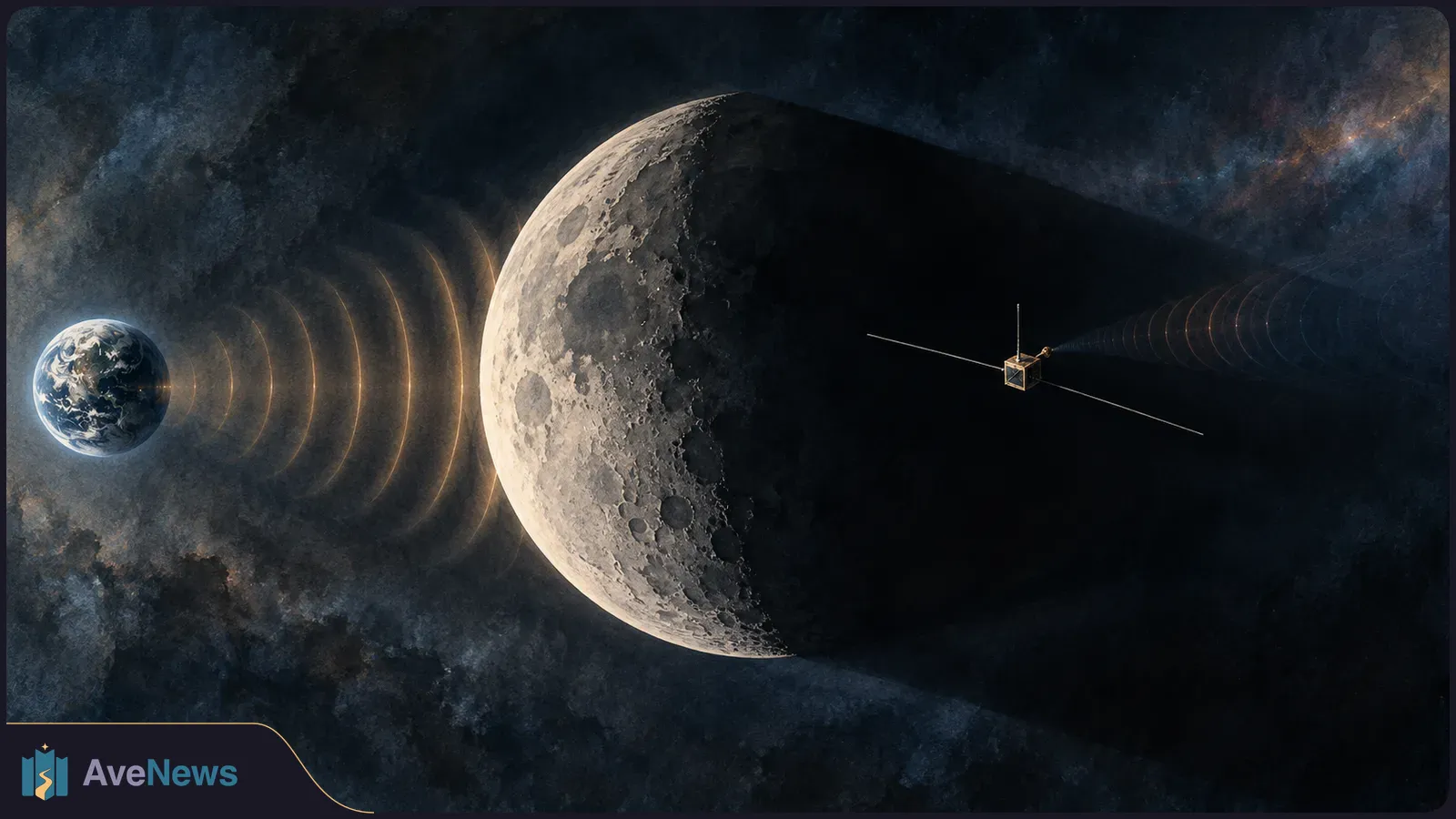
A Cambridge-led team plans to use the Moon to block radio noise from Earth. That would let a small spacecraft called CosmoCube search for a faint hydrogen signal from the universe's unobserved 'dark ages'. The mission is still in development.
5 min