
NCS wins £1.4 million interim payment and court-ordered accounts

The orders cover money owed to the music label and records of artist and songwriter balances, but leave disputed counterclaims for a trial scheduled for January 2028.
The orders cover money owed to the music label and records of artist and songwriter balances, but leave disputed counterclaims for a trial scheduled for January 2028.
London’s High Court has ordered former distributor AEI Music to pay music label NoCopyrightSounds (NCS) £1.4 million, with interest still to be determined. The interim award means NCS does not have to wait until a trial scheduled for January 2028 to receive some of the money owed, but it does not settle the wider dispute.
Music Business Worldwide reported the decisions, drawing on a statement from Simkins, the London law firm representing NCS. According to that account, the written payment judgment was handed down on September 15, 2026. The court had already ordered AEI and Featherstone Music, NCS’s former sub-publisher, to provide interim accounts at a July 23 hearing.
The £1.4 million payment is to NCS. The accounting order separately requires records showing AEI’s debt to the label and sums AEI retained after the relationship ended that were due to NCS’s artists and songwriters, according to Simkins’s account.
The accounts must cover a specified period and establish each artist’s and songwriter’s recoupment position. Recoupment means recovering costs from earnings before further royalties become payable. These records therefore concern not just money held by AEI, but also the balances that determine what artists and songwriters are owed.
Founded by Billy Woodford in 2011, NCS began as a YouTube channel. The label lets content creators use its music catalog free of charge in exchange for credit, while earning revenue through streaming and commercial licensing. The dispute concerns money owed within that business, despite the free-with-credit offer to creators.
NCS operated under agreements with the AEI group from 2014. According to Simkins, the label learned of the debt in 2024 after AEI failed to account properly for money owed. NCS terminated its AEI agreements in September 2025 for a material breach that had not been remedied. It also ended its agreement with Featherstone that month, after giving 60 days’ notice in July, and filed its High Court claim in November.
NCS requested an interim payment of £3 million, based on estimated debt, interest and separate sums due to artists and songwriters totaling £6.5 million. Simkins said the court found that the debt was at least £4.5 million even on the defendants’ own evidence.
For the interim calculation only, the court allowed £1.06 million for a counterclaim alleging breach of contract through early termination, and £2 million for alleged unjust enrichment—benefiting at another party’s expense without legal justification. The £2 million figure had appeared in correspondence before the claim, rather than being valued in the formal court filings.
Subtracting those combined £3.06 million allowances from £4.5 million and rounding down produced the £1.4 million award. The allowances were not final findings that the counterclaims were valid. According to Simkins, the court considered the award a reasonable proportion of what NCS was likely to receive at trial.
In a September 28 statement to Music Business Worldwide, AEI Music Group said it intended to seek permission to appeal the interim decision. The group emphasized that the ruling was not a final determination of the dispute, including what it called its “substantial counterclaims.”
Both the payment and accounting orders are interim measures ahead of the January 2028 trial. Simkins said NCS would seek further payment and a full account at trial, while defending the counterclaims.

The group’s music cannot be nominated or win. Its agency gave no reason and did not confirm a link to the Asian pop category. All eight members were invited to become Academy voters.
2 min
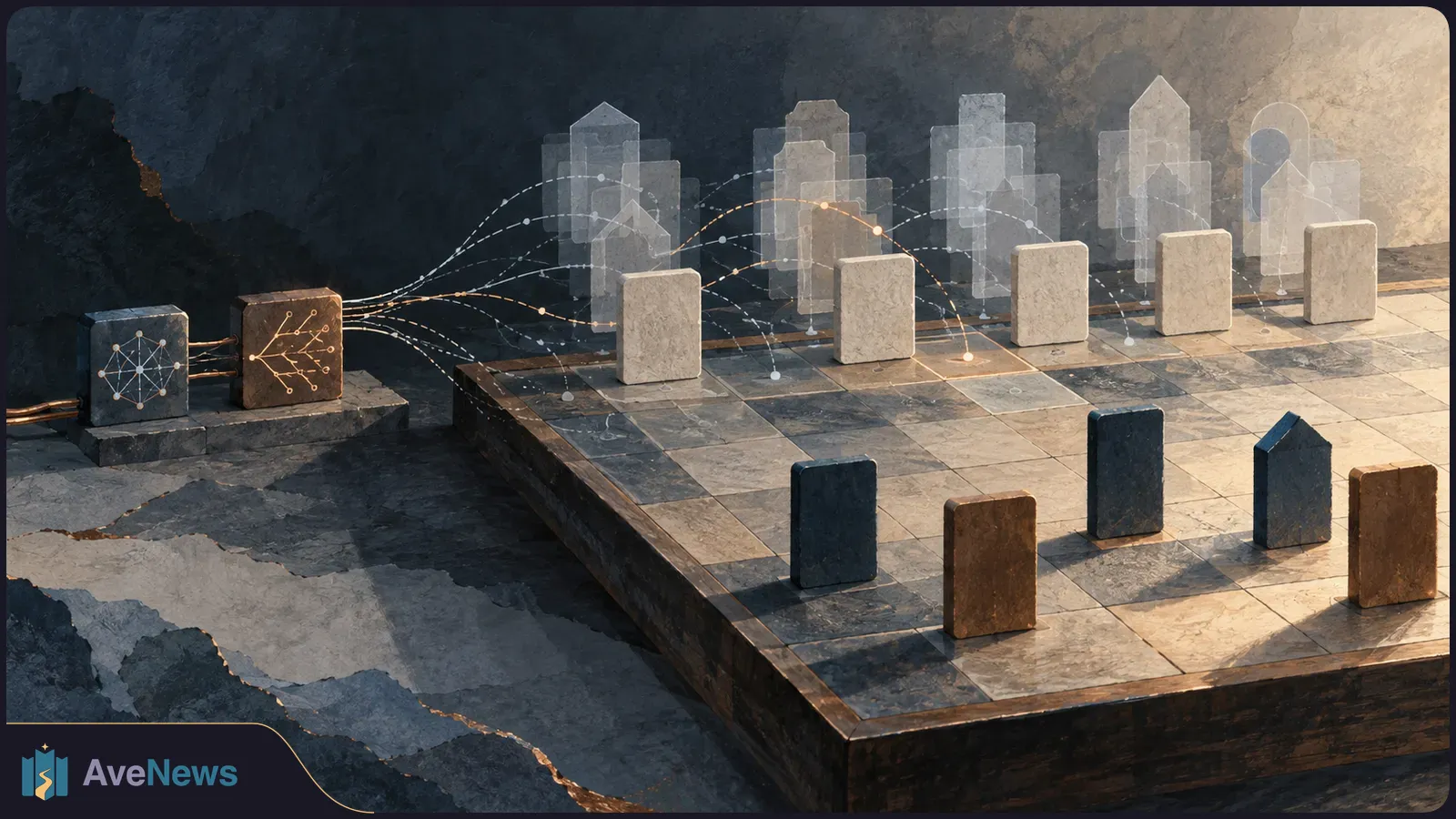
A second neural network helps the SI search ahead despite concealed pieces. Ars Technica reports training costs of a few thousand dollars, far below the researchers’ estimate for DeepNash.
The ruling recognizes potential protection against commercial exploitation, but did not decide whether SI narration on TikTok infringed voice actor Kenjiro Tsuda’s rights.
3 min
3 min