
NIST: Maria let water into hospitals and schools
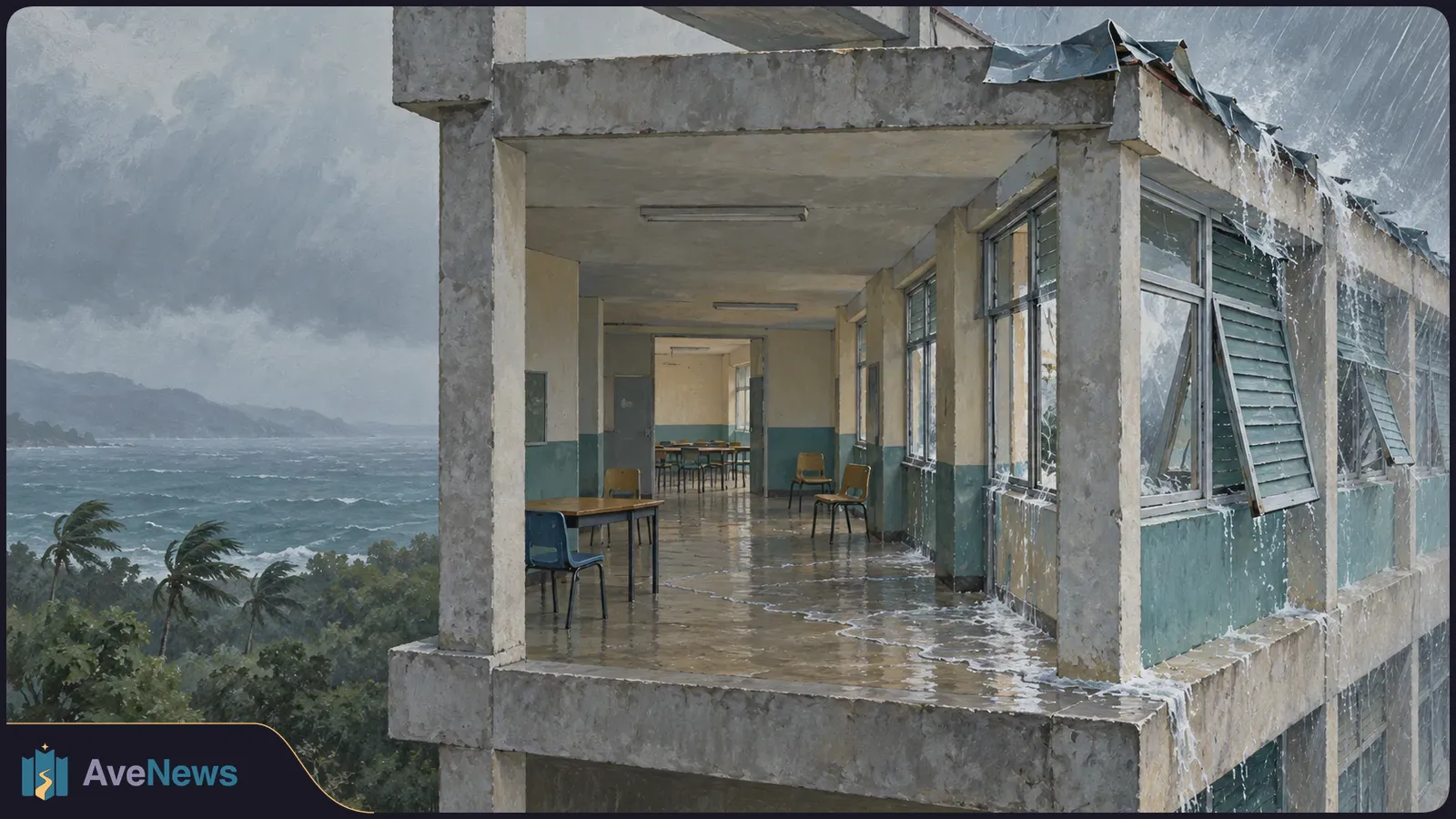
Draft findings from Puerto Rico show that minimal structural damage did not prevent extensive water intrusion through damaged exterior components.
Draft findings from Puerto Rico show that minimal structural damage did not prevent extensive water intrusion through damaged exterior components.
Most hospital and school buildings experienced minimal structural damage during Hurricane Maria in Puerto Rico in 2017, yet suffered extensive water intrusion, according to draft findings from the National Institute of Standards and Technology (NIST). The finding highlights a distinction: a building’s structure can suffer little damage while its exterior fails to keep water out.
In a September 28, 2026, report, NIST described the investigation team’s first presentation of its draft principal findings to the National Construction Safety Team Advisory Committee on September 23–24. These were draft findings, not final recommendations.
Investigation team lead Joe Main attributed the water intrusion to damage to building enclosures—the outer components that separate the interior from the weather. He identified roof coverings, windows, doors and roof-mounted equipment. For the hospitals and schools, the condition of those components mattered alongside the condition of the structure.
Associate investigation lead Maria Dillard said pre-storm communications from the National Hurricane Center and others helped residents broadly understand the approaching hazard. Most residents took protective measures before the storm, according to the investigation.
But surveys conducted for the investigation found that residents wanted more specific information about how homes, healthcare facilities, schools and utilities were expected to perform in windstorms. That request goes beyond knowing a storm is approaching: it concerns what people can expect from the buildings and infrastructure they rely on.
The amount of water damage, how representative the resident surveys were and which specific building-code changes might follow remain unclear.
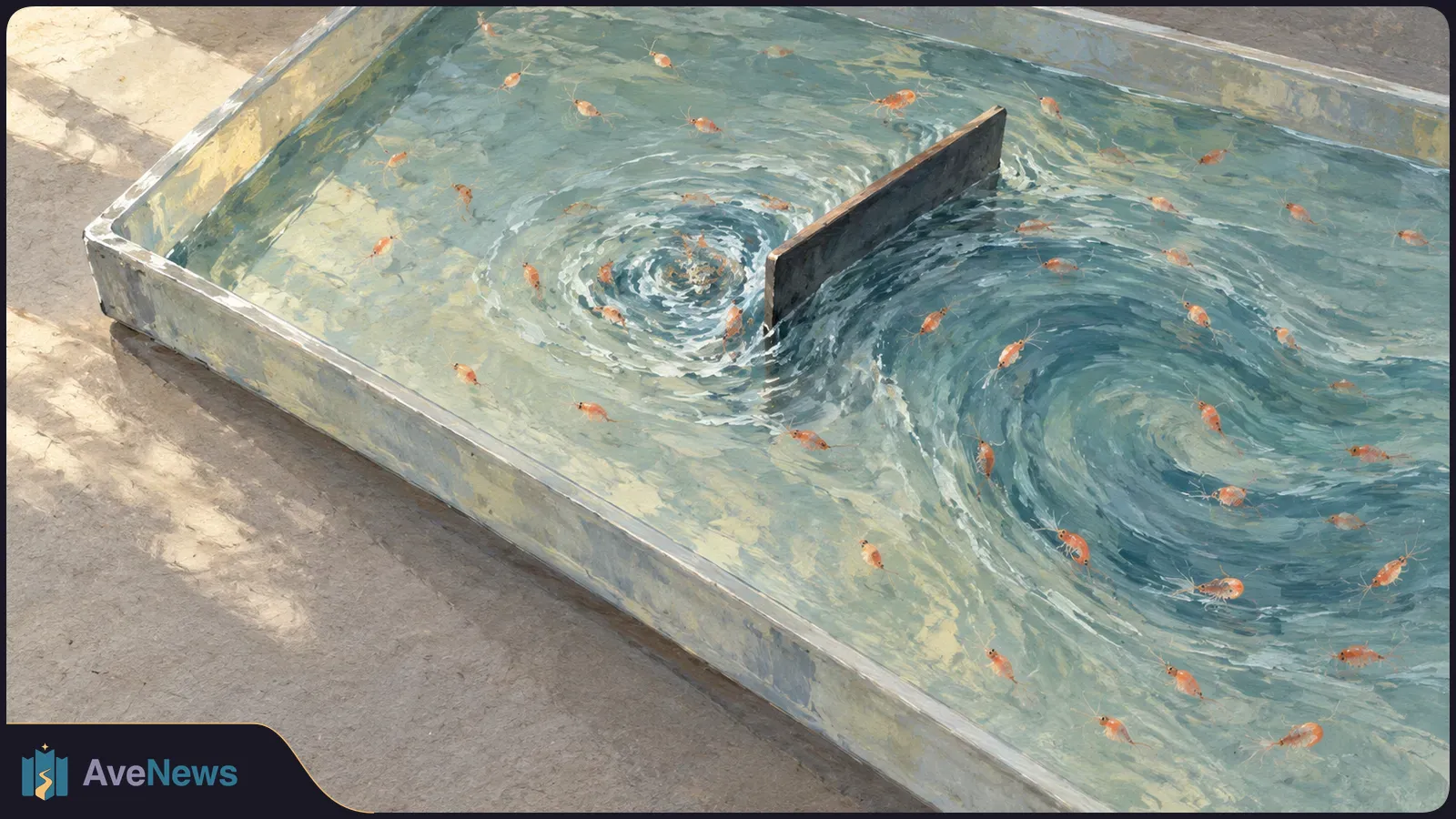
Pittsburgh researchers reportedly changed how energy moved between water swirls in a two-dimensional system. The finding suggests that flow geometry can control the direction of that transfer.
2 min

Record renewable electricity generation reduced the need to burn gas, but the estimated import value is not a measure of household bill savings.
3 min

The coalition seeks to preserve greenhouse-gas emissions limits on coal- and gas-fired plants and disputes EPA’s claim that it lacks authority to regulate those emissions.
3 min
