
Nvidia sets October 23 availability for 64 GB DGX Spark, starting at $4,999
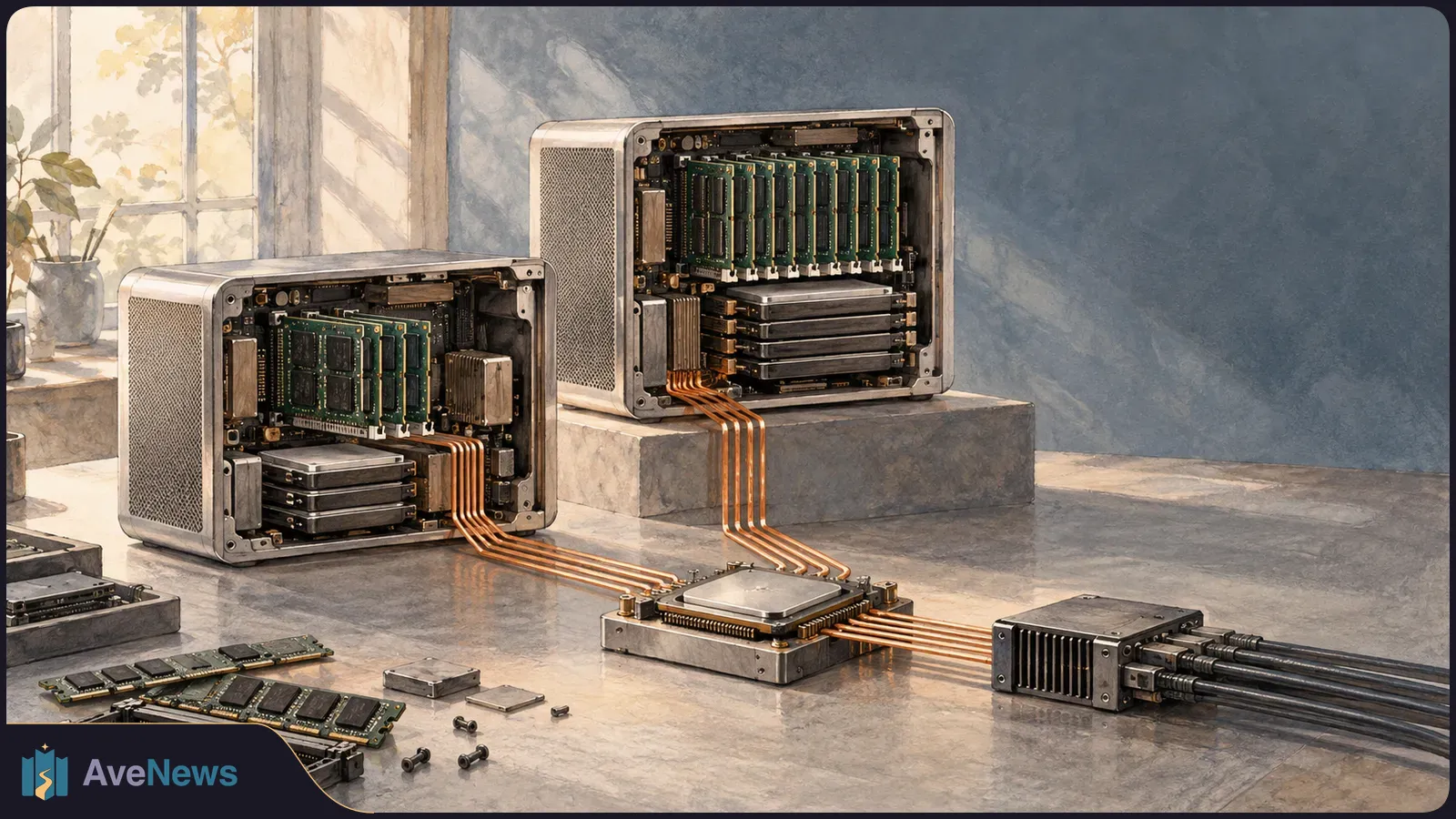
The partner-only computer offers half the memory and storage of the 128 GB model at a lower price. Nvidia also describes simpler setup for linking two units.
The partner-only computer offers half the memory and storage of the 128 GB model at a lower price. Nvidia also describes simpler setup for linking two units.
Nvidia says its partner-only 64 GB DGX Spark AI computer will be available on October 23, 2026, starting at $4,999, from Acer, Asus, Dell, Gigabyte, HP and MSI. That makes it a lower-priced option than the 128 GB model, which now costs $6,950, according to The Register. The new configuration halves both memory and storage.
The lower-capacity model costs less than the current 128 GB version, but not less than that version originally cost. The 128 GB model sold for about $4,000 at launch: its new price is nearly 75% higher, while the 64 GB model’s announced starting price is about 25% above that original price. The Register attributes the increase to rising memory prices amid an ongoing shortage.
For buyers, the main tradeoff is how much memory the computer can hold, rather than its reported data-transfer speed. The Register assesses that the smaller capacity makes the 64 GB model less suited to some superintelligence (SI) workloads, including fine-tuning—further training an existing model for a particular task.
Nvidia instead points to local inference: running an already-trained SI model on the computer. The company argues that models with 26–35 billion parameters—the learned values that shape a model’s output—are now sufficient to power private SI agents, software that uses SI to carry out tasks. This is Nvidia’s workload assessment; the report supplies no independent tests of the new configuration.
According to Nvidia’s specifications as reported by The Register, memory bandwidth—the rate at which memory transfers data—remains 273 GB/s. The systems also retain the same 20-core Arm processor from MediaTek. Unchanged bandwidth does not restore the memory capacity removed from the new model.
Nvidia says the systems retain ConnectX-7 networking, which supports linking up to four GB10-based devices in a cluster so they can work together, with a 200 Gbps connection per device. The setup previously described by The Register required typed command-line instructions and adjustments to launch commands for vLLM or TensorRT-LLM, software used to run SI models.
For two 64 GB units, Nvidia describes a direct connection through their ConnectX-7 ports using a QSFP cable—a cable for high-speed networking—to pool their memory to 128 GB. Its Sync Cluster Assistant detects the connected units, checks their configuration, sets up the network and routes workloads automatically. This gives workloads that need more memory room to run across two devices. In Nvidia’s own Qwen 3.8 27B test, two clustered 64 GB systems delivered up to 1.7× the performance of one system. That figure comes from Nvidia’s test, not independent testing.
Nvidia separately says Sync Model Launcher will arrive at the end of October 2026. Unlike Cluster Assistant’s network-setup role, Model Launcher is intended to let developers download and launch the Qwen 3.8 27B SI model on one DGX Spark or a cluster. Nvidia says the launcher will configure the model to run across connected devices and make it accessible from a laptop.

Samsung’s M-series specifications describe software-based dimming, not full-array hardware dimming. That distinction matters for contrast and HDR, but the Mini LED label alone does not establish picture quality.
4 min
The two models avoided April’s rises. Raspberry Pi blames higher memory costs and says its advantage from cheaper stocks is largely exhausted.
2 min
Attackers can write files without logging in, potentially enabling code execution. Some fixes remain pending, and workarounds do not remove an existing compromise.

