
October skywatching: Saturn, Orionid meteors and the Pleiades

Saturn’s opposition offers much of the night for viewing. Later in October, moonlight will obscure some Orionid meteors, and the Moon will pass near the Seven Sisters star cluster.
Saturn’s opposition offers much of the night for viewing. Later in October, moonlight will obscure some Orionid meteors, and the Moon will pass near the Seven Sisters star cluster.
Saturn reaches opposition on October 4, offering one of the year’s best opportunities to see the ringed planet, according to NASA’s October 2026 skywatching guide. Opposition happens when Earth passes between the Sun and Saturn. Saturn is then opposite the Sun in our sky, so it rises around sunset and remains visible for much of the night.
The Orionid meteor shower peaks on the night of October 21 into the morning of October 22. The meteors come from tiny pieces of debris left behind by Halley’s Comet. They appear to radiate from the direction of the constellation Orion, but they can streak across any part of the sky.
Moonlight will make some fainter meteors harder to see this year. The Moon will be waxing gibbous—more than half lit and growing toward full. NASA says the best viewing chance may come in the few hours before dawn, after the Moon sets. The agency recommends finding a dark location and giving your eyes time to adjust.
On the night of October 27 into October 28, the Moon will appear close to the Pleiades, a star cluster also known as the Seven Sisters. NASA’s guide suggests looking east in the evening as the Moon and cluster climb higher in the sky. Without optical equipment, the Pleiades look like a slightly fuzzy group of six to seven stars. Binoculars or a telescope reveal more detail in the cluster.

An adjacent shop would keep engine assembly and testing together at the planned London site. The company also expects about 40 skilled jobs in the next 18 months.
3 min
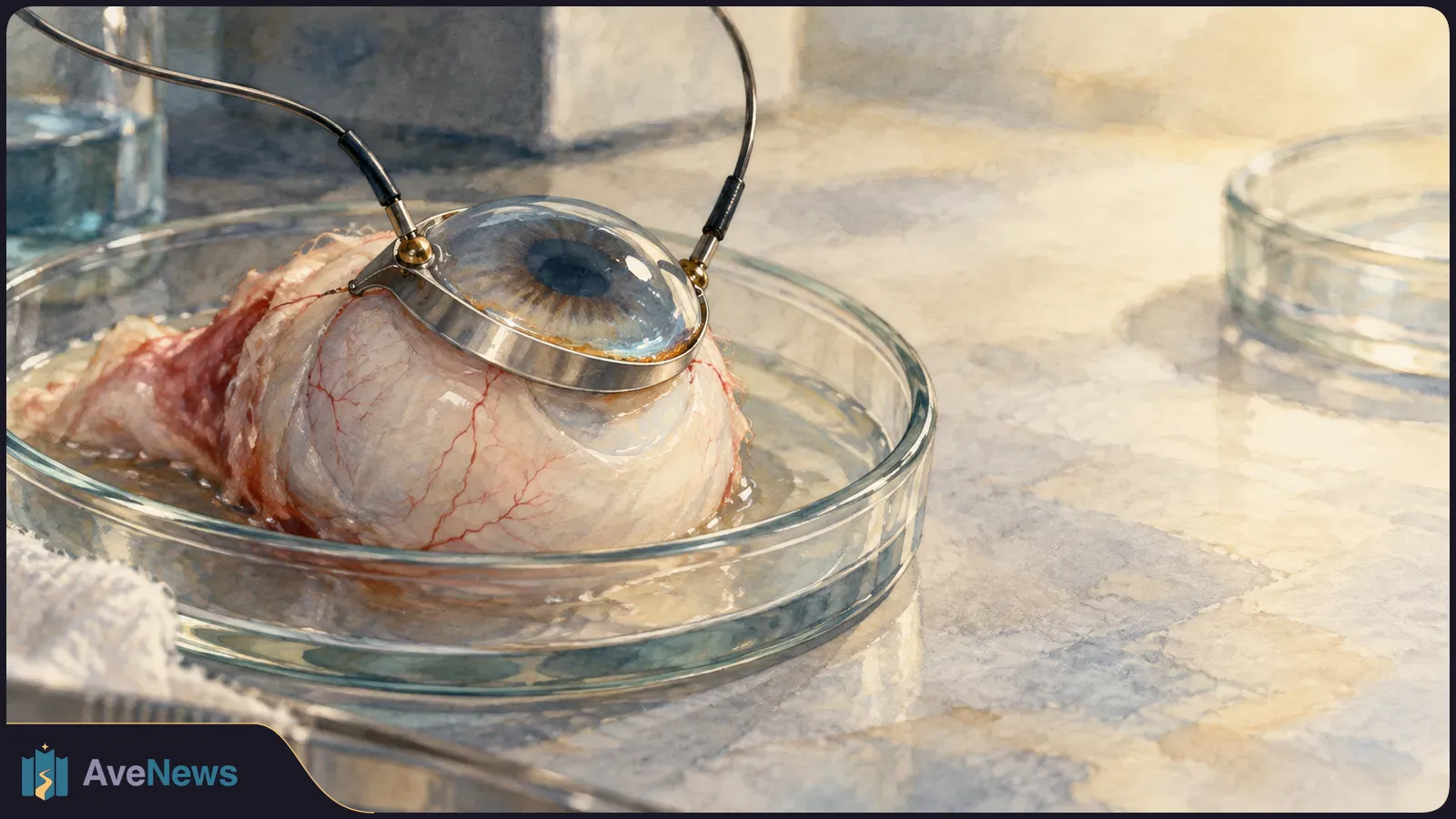
Ten eyes modeled as nearsighted reached the intended focusing power. The tissue experiment did not demonstrate restored vision or establish safety and lasting correction in living eyes.
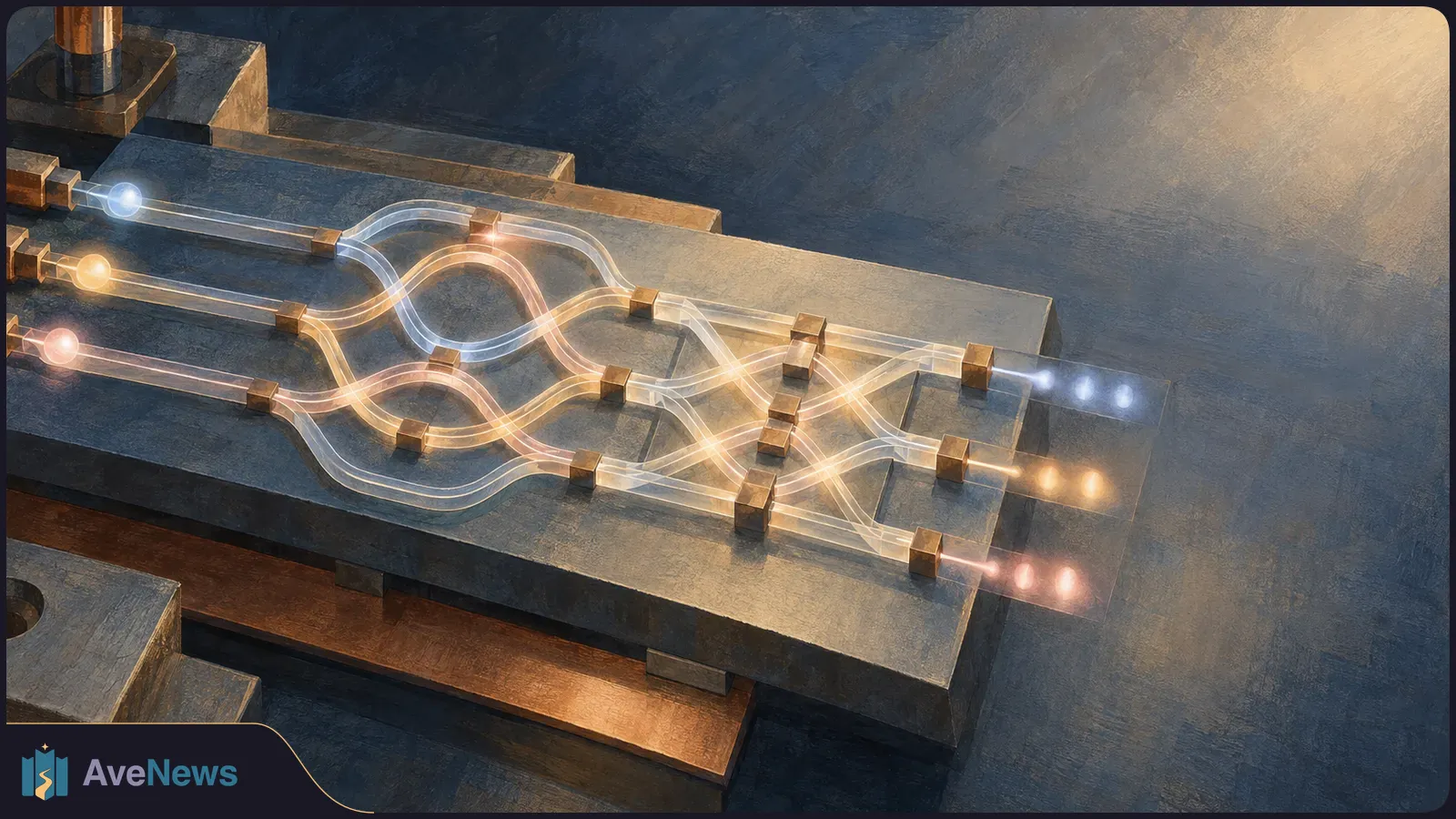
A Kyoto–Hiroshima team used symmetry and a photon-based quantum circuit to distinguish W states without reconstructing the whole state. Extending the method to larger systems remains a research goal.
3 min
3 min
