
Oklahoma judge excludes evidence from warrantless Flock search
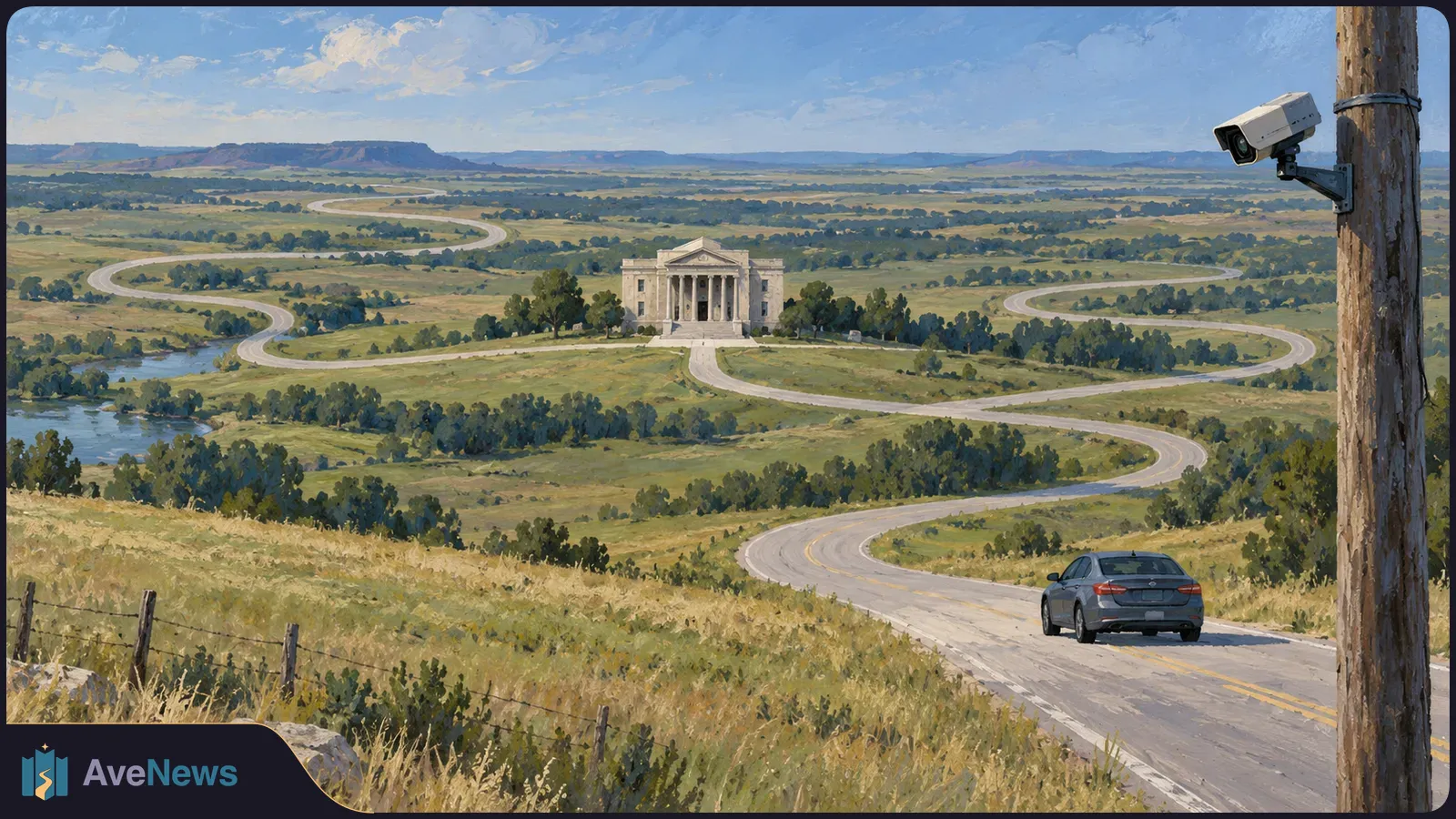
Court footage shows how the deputy checked a driver’s recollections against timestamped rental-car records. The ruling applies to one criminal case, not license-plate readers nationwide.
Court footage shows how the deputy checked a driver’s recollections against timestamped rental-car records. The ruling applies to one criminal case, not license-plate readers nationwide.
Oklahoma federal judge Sara Hill ruled on 1 October that a warrantless Flock license-plate search was unconstitutional and excluded the location records and evidence from the subsequent car search, according to 404 Media’s 2 October report. Court footage and records reported by 404 Media on 8 October show how the deputy compared the driver’s recollections with timestamped sightings of her rental vehicle.
The case arose from a May traffic stop in Oklahoma. Tulsa County Deputy Sheriff Freddie Alaniz queried the California plate of the Mazda SUV Melisa Kyle was driving, then stopped her, telling her it was for changing lanes without signaling. The court found that the California plate alone prompted the stop. Hill found that the out-of-state plate was his only reason for the query, which lacked both a warrant and probable cause—a sufficient legal basis for the search. Alaniz used the travel history to help justify searching the vehicle, where officers found 91 pounds of methamphetamine. Kyle was accused of trafficking.
404 Media obtained body-camera and in-car footage entered as evidence from the federal courthouse in Tulsa. The footage shows Kyle explaining that the vehicle was rented. Alaniz asked her to sit in his patrol car while she looked up the rental information. He told her she would receive only a warning, then continued questioning her about her trip while reviewing the vehicle’s history on his laptop.
Flock and Motorola automated license plate readers, or ALPRs, photograph passing vehicles and record their plates, locations and times. Officers can search these records by plate number. Alaniz opened sightings on a map, each displaying a vehicle photograph, location and timestamp. He compared those records with Kyle’s answers about where she had stayed and what day she had left Missouri.
Alaniz told Kyle that, based on his training and experience, some people making short trips to California transported drugs. When she refused permission to search, he called for backup and detained her. Government lawyers later argued that minor discrepancies between her recollections and the camera records showed she was lying about her travel dates and supplied probable cause. Hill rejected the government’s reliance on circumstances she described as common on legitimate road trips, including imperfect recall and nervousness around police.
Hill had described the query as producing more than 50 location records over an entire month. The footage provides a more precise distinction: the displayed 30-day history belonged to the rental vehicle, not solely to Kyle’s movements. 404 Media reported the following overlapping counts from the footage and court-filed records.
| Record set | Period | Reported scale |
|---|---|---|
| History displayed on the laptop | 30 days | 79 hits |
| Displayed hits during Kyle’s rental | The few days she rented it | Roughly 50 hits |
| Court-filed Flock and Motorola records | Five days | More than 50 scans by 11 law-enforcement agencies |
The records available to Alaniz included a photograph from a Lowe’s-owned camera in Missouri and sightings from police cameras in Texas, New Mexico and Kingman, Arizona. He had no California camera hits. The Motorola report also recorded two sightings after the vehicle was impounded, when it was on a tow truck—another distinction between a vehicle’s location history and its driver’s movements.
Hill’s ruling concerned the Fourth Amendment, the US Constitution’s protection against unreasonable searches. She acknowledged that people generally do not have a reasonable expectation of privacy in their movements on public roads. But she found that searching the combined historical records intruded on Kyle’s reasonable expectation of privacy in the whole of her physical movements. Networked cameras, Hill wrote, give police access on demand to continuously updated location histories of passing vehicles.
Earlier decisions allowing warrantless ALPR searches have relied on United States v. Knotts, a 1983 US Supreme Court case involving a tracking device placed in a chemical container. Hill said that case involved much less sophisticated technology than the network before her. She described the camera network as “a type of indiscriminate mass surveillance,” rather than surveillance targeted at one person.
The decision does not bind other courts or prohibit police nationwide from using license-plate readers. Other cases are considering the legality of warrantless ALPR searches, 404 Media reported on 2 October.
Flock, which was not a party to the case, disputed Hill’s ruling. A spokesperson told 404 Media that it conflicted with the “overwhelming weight of authority” in similar cases, including recent Oklahoma decisions, and was limited to this case’s facts. The company said it expected an appeal and eventual reversal, but did not announce that an appeal had been filed.

Cloudflare says Logpush runs filtering and redaction queries inside its export service, retries failures without sending raw records and automatically disables jobs that fail for an extended period.
6 min

Lukas Vogel says his database-powered Doom project supports multiplayer matches on EU and US servers. The Register found server play “a little sluggish.”
3 min

Integrations need to handle longer credentials without changing their permissions, repository access or one-hour expiry.
2 min
