
El Niño helps drive an unusually busy Pacific hurricane season as Polo hits Mexico and Nolo floods Hawaii
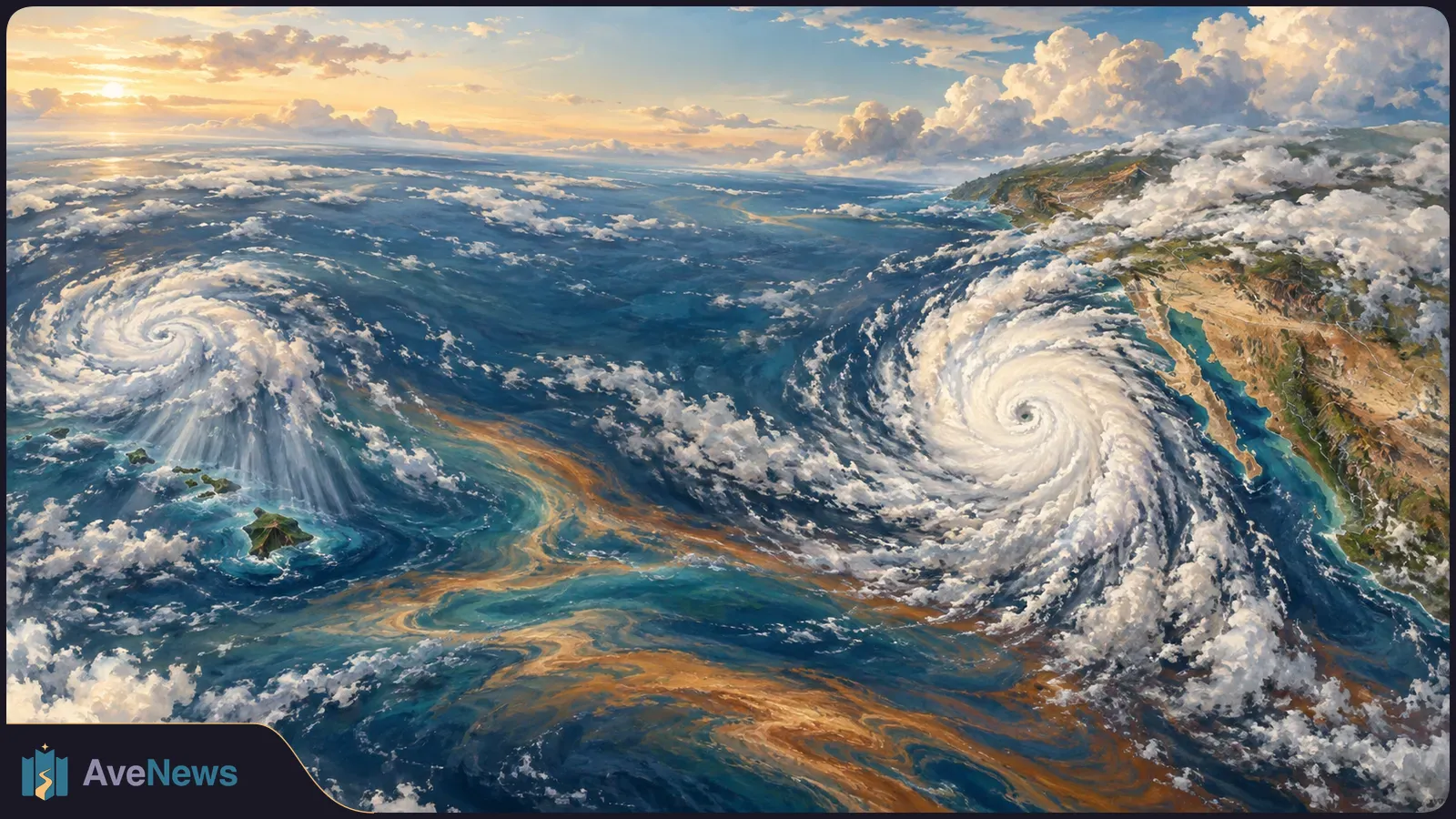
NASA's Earth Observatory counted 20 named storms in the northeastern and central Pacific by September 28, well above the long-term average. Hurricane Polo struck Mexico twice, and rain from Hurricane Nolo caused flooding and landslides in Hawaii.
The 2026 hurricane season in the northeastern and central Pacific has produced far more storms than usual, according to NASA's Earth Observatory. By September 28 the region had 20 named storms, and nine of them had reached hurricane strength. For comparison, the 1991–2020 average by that date is 13.5 named storms and 7.4 hurricanes. A named storm is a tropical storm strong enough to receive a name. A hurricane is a named storm whose winds reach higher sustained speeds.
The storms were not only numerous but also powerful. Data from Colorado State University showed that accumulated cyclone energy in the Northeast Pacific was more than twice the norm as of September 28. Accumulated cyclone energy is a single number that combines how strong storms become and how long they last.
A NASA satellite image taken on September 27 captured several storms at once. Hurricane Nolo was near Hawaii and Hurricane Polo was off Mexico's Baja California peninsula. Tropical Storm Rachel and Post-Tropical Cyclone Odalys sat on either side of Polo. A post-tropical cyclone is a storm that has lost its tropical features but can still bring wind and rain.
Scientists expect more tropical cyclones in this part of the Pacific during an El Niño, NASA reports. El Niño is a recurring climate pattern in which surface waters in the equatorial Pacific become unusually warm, and one has been underway since June. Two typical El Niño conditions help storms form and strengthen: warm water, which supplies storms with energy, and low wind shear. Wind shear is the change in wind speed or direction with height, and strong shear can tear storms apart.
NASA presents El Niño as the expected background for the active season. The article does not measure how much of this year's activity comes from El Niño alone.
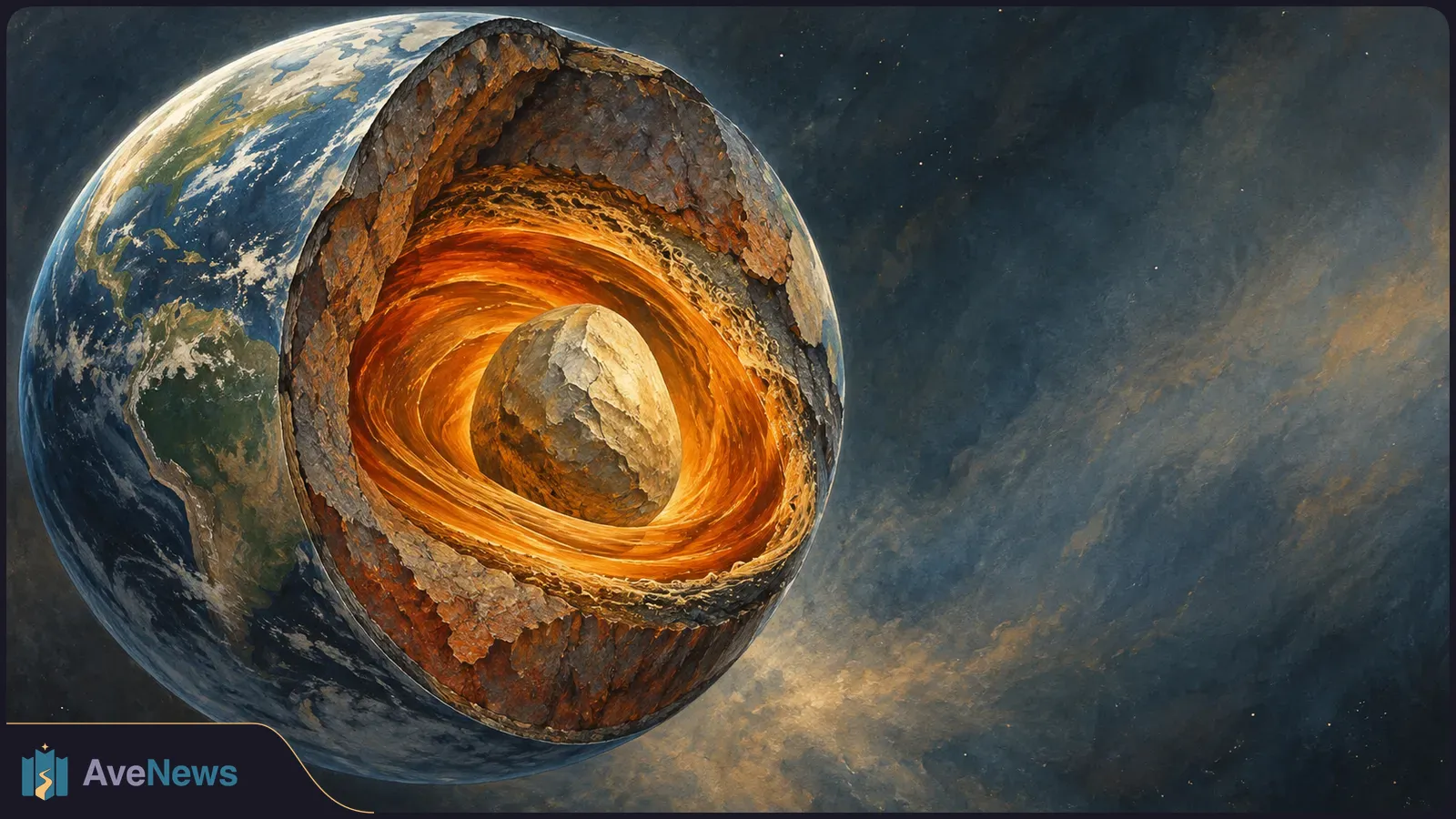
Two University of Alberta physicists propose that a gravitational pull between the solid inner core and the rocky mantle, held back by drag at the core's edge, slightly speeds up and slows down Earth's spin.
Hurricane Polo went through what NASA calls extreme rapid intensification, meaning its winds strengthened very sharply in a short time. It did this while moving over unusually warm ocean water and reached category 5 on September 22. Category 5 is the top level of the scale used to rate hurricane winds.
Polo weakened as it neared the coast. According to the National Hurricane Center (NHC), it likely came ashore as a category 2 storm in Baja California Sur around 11 p.m. local time on September 28. The storm then crossed the peninsula and the Gulf of California. It made a second landfall near Guaymas, in the state of Sonora, as a weaker system around midday on September 29.
The NHC warned of dangerous winds and storm surge, which is a rise in sea level pushed ashore by a storm. It also warned that heavy rain could trigger flooding and mudslides in parts of Baja California Sur and Sonora.
Forecasters expected Polo's effects to reach well beyond Mexico. They said Polo and its remnants, combined with moisture from Post-Tropical Cyclone Odalys, were likely to move over the southwestern United States and the southern Plains over several days. That would bring more heavy rain and a risk of flooding.
Tropical Storm Rachel was next in line. It was moving parallel to Mexico's southwest coast, where the NHC forecast strong winds, dangerous surf and rip currents.
Hurricane Nolo was the third hurricane of the season to pass close to Hawaii. Its center never came ashore, but it still dropped more than 12 inches (30 centimeters) of rain on parts of Maui and the Island of Hawaiʻi. News reports said the storm flooded roads, toppled trees and triggered landslides. Those reports also said the Island of Hawaiʻi was spared some of the more severe effects that Hurricane Lala caused in mid-August.
The NASA Disasters Program is working with FEMA, the U.S. federal emergency agency, to support the State of Hawaii's response to Nolo. NASA said the team would post maps and data on its open-access mapping portal as new information became available.
3 min
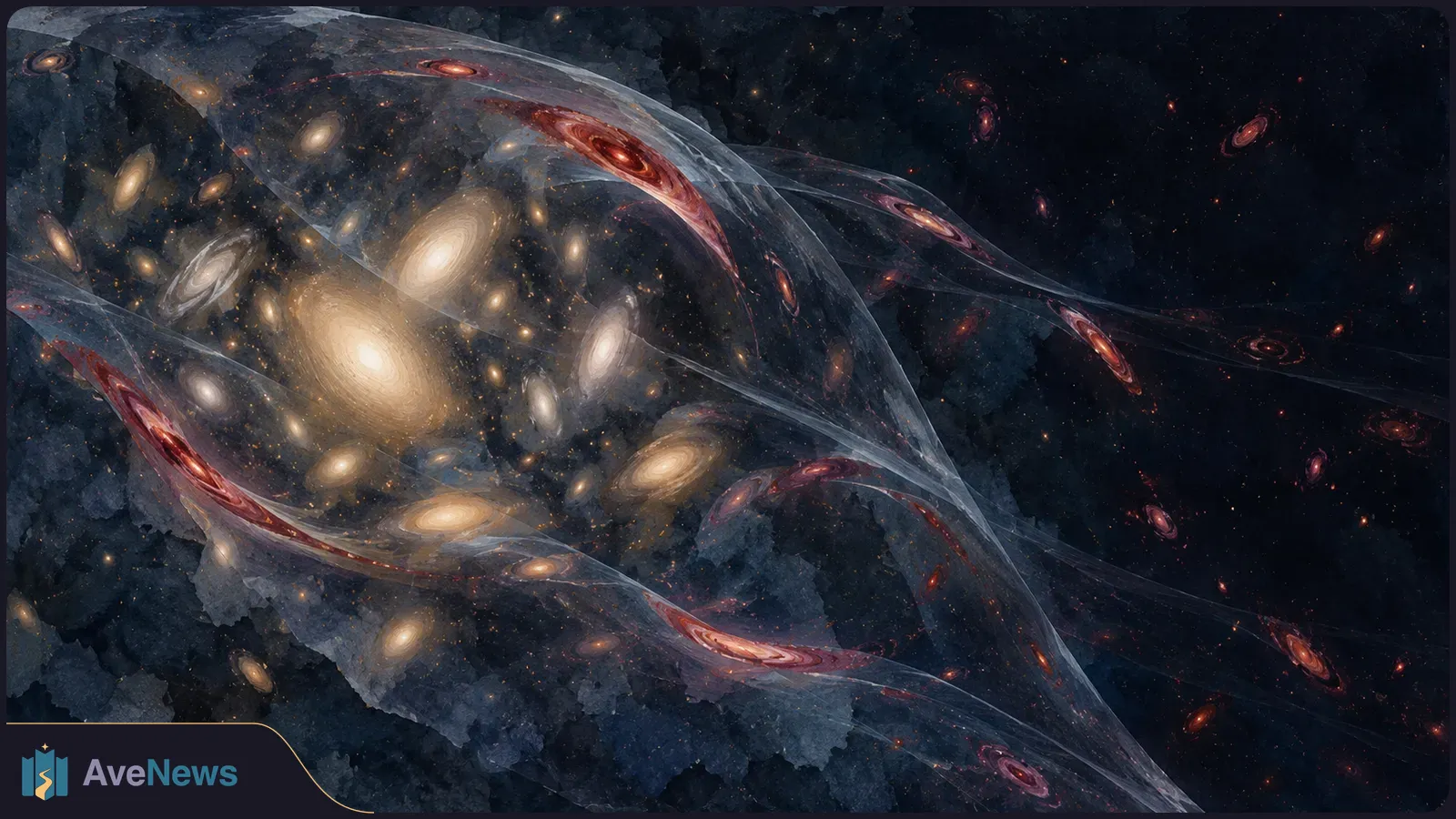
The cluster MACS J0454.1-0300 bends and magnifies light from galaxies far behind it. Webb's new view of it reveals hundreds of red galaxies that don't appear in a 2014 Hubble image. The lensed areas also reveal galaxies from the young Universe.
3 min
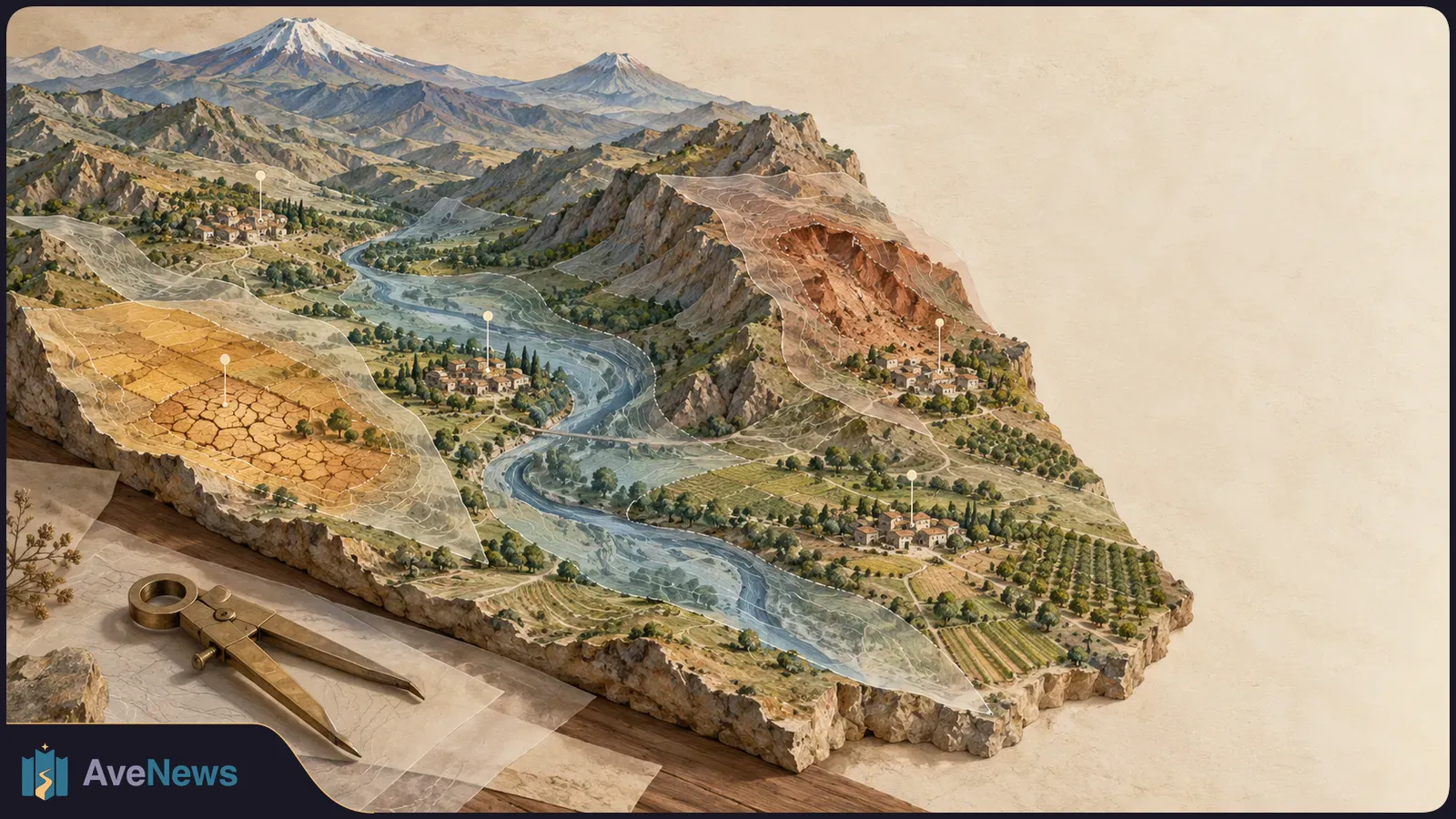
The Central Bank’s public tool helps lenders compare local hazards with borrower locations. Its vulnerability-scoring method and validation remain unclear.
4 min
Correction ·
Corrected spelling and punctuation in the Armenian text.
