
Why bacterial vaginosis can return after both partners are treated
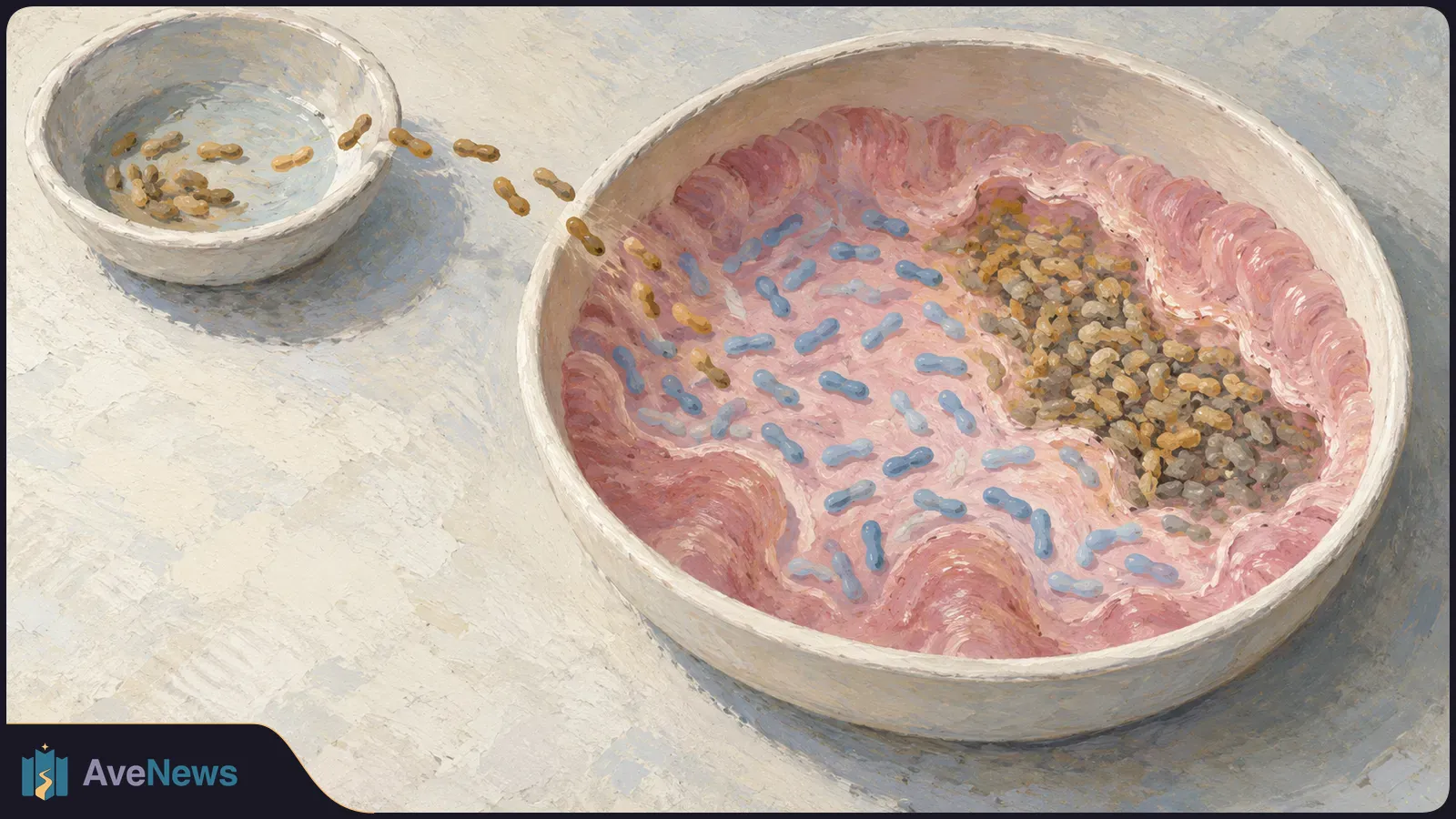
Treating male partners has reduced repeat cases, but some women may finish treatment without clearing the vaginal bacterial imbalance.
Treating male partners has reduced repeat cases, but some women may finish treatment without clearing the vaginal bacterial imbalance.
Bacterial vaginosis can return after both partners receive treatment because the original bacterial imbalance may persist, not only because a woman is reinfected by her partner. A study of 188 heterosexual couples identified these as distinct routes to recurrence that can overlap, according to the Guardian’s October 1 report.
Bacterial vaginosis, or BV, is an imbalance of naturally occurring vaginal bacteria: beneficial bacteria decline while other mixed bacteria grow excessively. BV can cause itching, burning and discomfort, but it can also occur without symptoms. Treatment matters because the condition can increase susceptibility to other infections and is linked to complications in pregnancy and childbirth.
Earlier research by the same group, published in March 2025, found that BV can be sexually transmitted to women by male partners. Treating women and their male partners at the same time reduced recurrence rates by more than 60%. The new study investigated why about 20% of women treated alongside their partners were still not cured.
The study was published in The Lancet Obstetrics, Gynaecology & Women’s Health. Women received a weeklong course of oral antibiotics, while men received both oral and topical antimicrobials—medicines taken by mouth and applied to the skin to act against microbes.
Lead author Dr Lenka Vodstrcil, identified in the report as a senior research fellow at Monash University and Bayside Health’s Melbourne Sexual Health Centre, described two patterns in the vaginal microbiome—the community of bacteria in the vagina—the day after treatment ended.
| Share of women | Post-treatment finding |
|---|---|
| About two-thirds | Returned to an optimal vaginal microbiome, characterised by abundant healthy Lactobacilli bacteria. |
| The remaining third | Had bacterial communities suggesting that BV might not have cleared before couples resumed sex. |
The group whose BV might not have cleared was nearly three times as likely to experience the condition again within four weeks. That is a reported association, not proof that the post-treatment bacterial pattern caused recurrence. It helps explain why preventing reinfection through partner treatment may not address every recurring case: some women may still have BV when treatment ends.
The study described participants’ ethnicities as representative of urban Australia, but cautioned that its results might not apply to other populations. Those include people in low- and middle-income countries and other settings where BV is especially common.
Thirty per cent of the women used an intrauterine device, or IUD. The study suggested that IUDs could increase BV persistence after treatment in some women, but said further research was needed. It did not establish that IUDs caused the condition to persist.
The researchers plan to test longer treatment courses and combinations of multiple antibiotics to address persistent BV. These are planned investigations, not established treatment improvements or recommendations. The question is whether targeting persistence alongside reinfection can help more women clear the condition.

Hundreds of players’ claims were struck off after a court disclosure order was breached. Most of the costs owed to the defendants must be paid by the end of October.
2 min

Local rules and assessments of likely benefit govern access, leaving a Wiltshire patient considering a £6,000–£9,000 private operation.
3 min

The agency plans a Monday rollout as it works to consolidate more than 700 websites, with existing sites staying available during the transition.
2 min
