
Why NHS breast reduction depends on more than symptoms
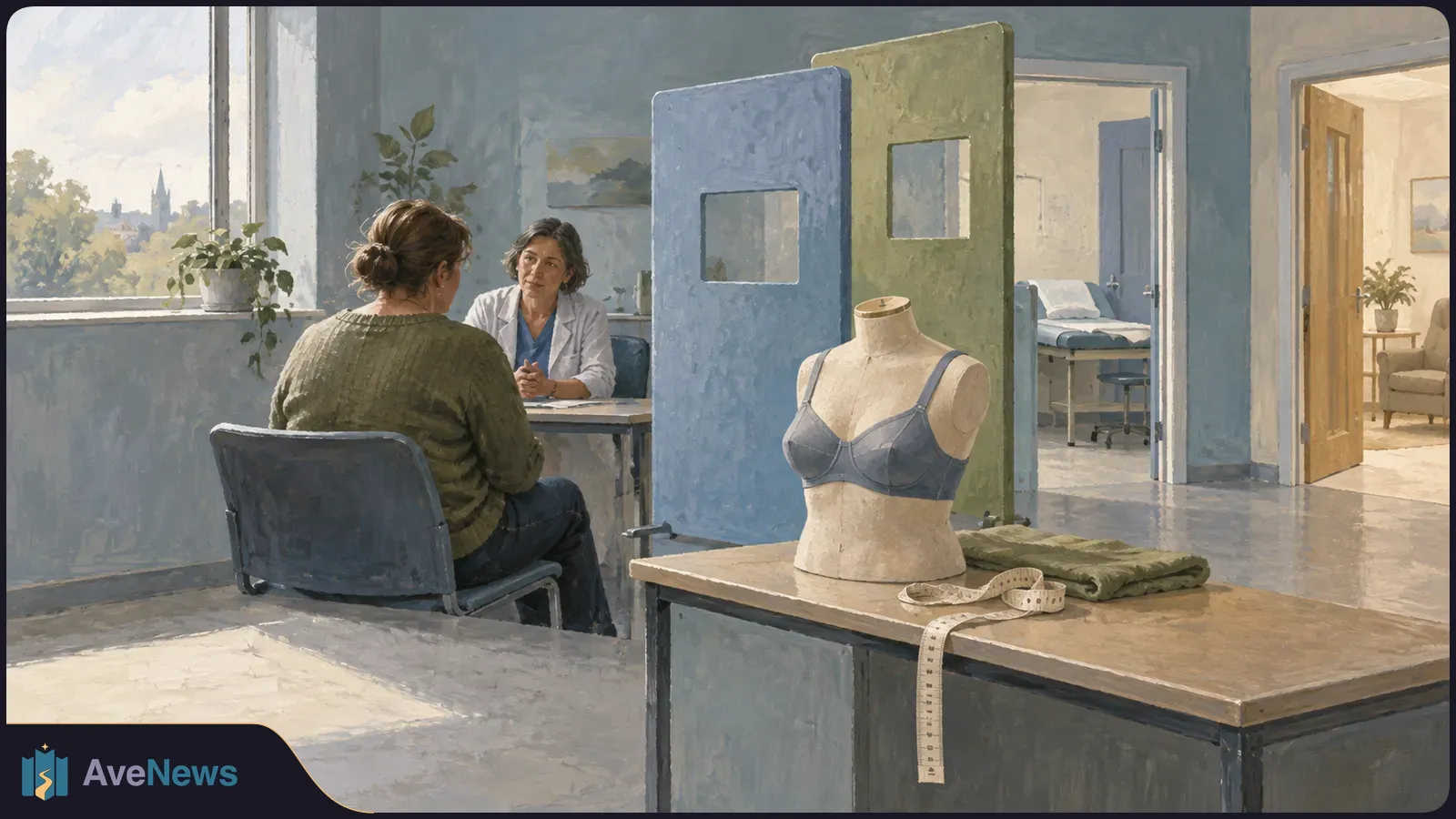
Local rules and assessments of likely benefit govern access, leaving a Wiltshire patient considering a £6,000–£9,000 private operation.
Local rules and assessments of likely benefit govern access, leaving a Wiltshire patient considering a £6,000–£9,000 private operation.
Back pain, skin irritation and difficulty exercising can count towards eligibility for breast reduction on the NHS, the UK's public health service. But those symptoms do not guarantee a funded operation: access depends on local rules and individual clinical decisions.
In a BBC report published on 30 September 2026, Charlotte Howard, 52, from West Lavington in Wiltshire, said she had asked her GP about breast reduction because of pain and discomfort. She said she was told there was “no chance” she would qualify for NHS surgery. She was considering a private operation, but described the estimated £6,000–£9,000 cost as daunting.
Howard, a horticulturist, said the size of her breasts made exercise painful and uncomfortable, making it difficult to stay active. She also described back pain and said she used medicated talc beneath her breasts to prevent rashes.
According to NHS guidance cited by the BBC, an assessment considers health problems caused by very large breasts alongside breast size, weight, general health and smoking. Surgery may be possible when other options, including professionally fitted bras, have not worked. The exact criteria depend on where the patient lives.
The health problems considered include low self-esteem or depression, as well as physical symptoms and an inability to take part in sport or exercise. People seeking breast reduction to change their appearance rather than for health reasons must pay privately, the BBC reported.
Simon Hawkins, a Wiltshire consultant breast surgeon treating NHS and private patients, told the BBC that breast reduction had long been difficult to obtain on the NHS and was generally regarded as cosmetic. He said its potential benefits went beyond body confidence: patients might be able to do more activities and exercise, with possible benefits for back and neck problems.
Integrated care boards, or ICBs, manage local NHS budgets and arrange and fund care, including breast reduction surgery. A spokesperson for the Bath and North East Somerset, Swindon and Wiltshire ICB, as well as the Dorset and Somerset ICBs, said breast reduction was not routinely funded for all patients in the area.
The spokesperson said treatment decisions were made individually on clinical grounds, taking account of the person's circumstances and evidence of likely benefit. The stated aim of the policy was to ensure NHS resources were used fairly.
What remains uncertain
The precise local eligibility criteria remain unclear. Howard said she had not been given a clear reason for receiving no further NHS support, and the NHS declined to comment to the BBC on her individual case. Her symptoms therefore do not explain, on their own, why she was told she would not qualify.

The agency plans a Monday rollout as it works to consolidate more than 700 websites, with existing sites staying available during the transition.
2 min

Hundreds of plants returned after repairs to the leaking, rusty glasshouses, but a palm more than 200 years old was replaced by a seedling.

A returned sample combines inner- and outer-Solar-System signatures. Researchers propose that dust gathered near the boundary where water froze.
3 min
