
Bennu’s isotope clues suggest a mixed origin near Jupiter
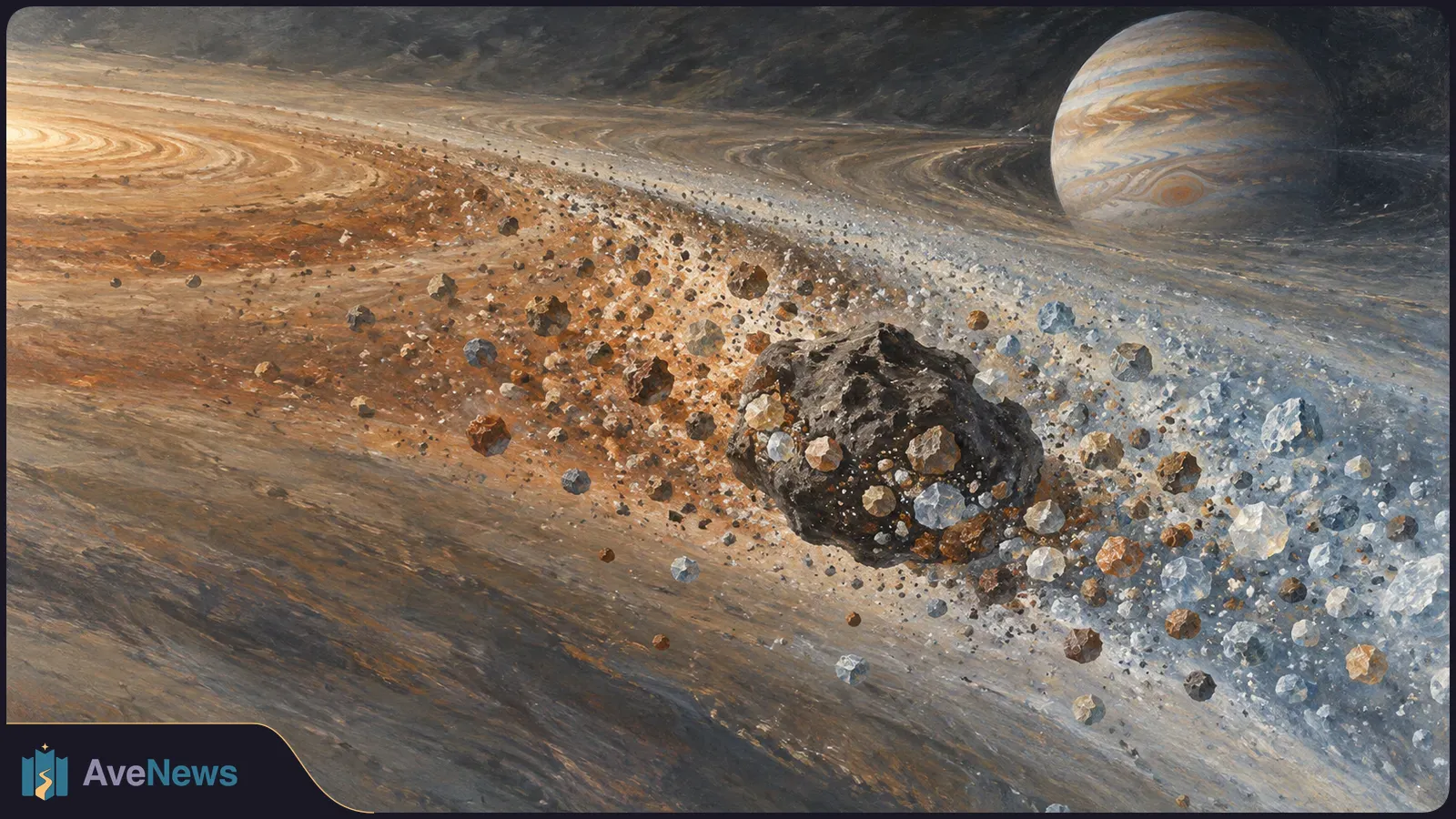
A returned sample combines inner- and outer-Solar-System signatures. Researchers propose that dust gathered near the boundary where water froze.
A returned sample combines inner- and outer-Solar-System signatures. Researchers propose that dust gathered near the boundary where water froze.
A half-gram sample returned from asteroid Bennu contains contrasting clues to its origins: titanium and chromium resemble material associated with the outer Solar System, while iron resembles material from nearer the Sun. The finding challenges the expectation that all three elements would show the outer-system pattern.
Universe Today reported the analysis on October 2, describing a study published in Science Advances by researchers at ETH Zurich and Lawrence Livermore National Laboratory. Maria Schönbächler’s laboratory at ETH Zurich examined material brought back by the OSIRIS-REx spacecraft. The researchers propose that Bennu’s ingredients mixed near Jupiter, rather than coming entirely from one region of the young Solar System.
Isotopes are forms of the same element with different numbers of neutrons in their atoms. When the Sun formed about 4.6 billion years ago, the surrounding gas-and-dust disk—the material from which planets formed—was not evenly mixed. Different regions retained different blends of isotopes, giving researchers markers for tracing material’s origins.
Researchers distinguish two broad material families. Non-carbonaceous material is associated with the inner Solar System, where Earth and the other rocky planets formed. Carbonaceous material is associated with the colder outer Solar System, rich in substances that readily become gases when warmed. Bennu was expected to match the carbonaceous family. Its titanium and chromium did; its iron instead resembled the non-carbonaceous family.
Analysis
In the researchers’ proposed scenario, the growing Jupiter cleared a path through the disk’s gas and dust, leaving regions of higher pressure on both sides of its orbit. These pressure ridges could sort material by size: fine dust could cross Jupiter’s orbit toward the Sun, while larger, millimeter-sized droplets of molten rock called chondrules were trapped outside it.
The proposed gathering place was near the water-ice line, the boundary where temperatures became low enough for water to freeze. At that time, the boundary lay just inside Jupiter’s orbit, close to the pressure ridges. Dust accumulating there could collapse into the beginnings of asteroids like Bennu.
Continued inward movement of fine dust from the outer disk could then mix that material with inner-disk ingredients. This offers a way for one asteroid’s material to carry both isotope signatures without having formed in two separate places. The isotope patterns are the reported measurements; the dust movement and proposed birthplace are an interpretation of those measurements, not a directly observed formation history.
According to Universe Today, the researchers used the radioactive decay of manganese-53 to estimate an early formation date about 2 million years after the Solar System’s first solid rocks appeared. They argued that assembly in the outer Solar System would have taken longer because material was more spread out. The report also says Bennu appeared to lack the heavy forms of hydrogen and nitrogen seen in comets formed in that region.
That early date concerns formation, not Bennu’s later journey inward. The report describes collisions and gravitational nudges over billions of years that eventually made Bennu a near-Earth asteroid, while preserving its fundamental chemistry. Its present location therefore does not identify where its ingredients first assembled. The precise formation site—and whether Jupiter’s proposed sorting mechanism explains the contrasting isotope patterns—remains uncertain.
A model that lets elements spread unevenly matches unusual stars’ chemistry, offering an alternative to exceptionally energetic explosions without ruling them out.
3 min
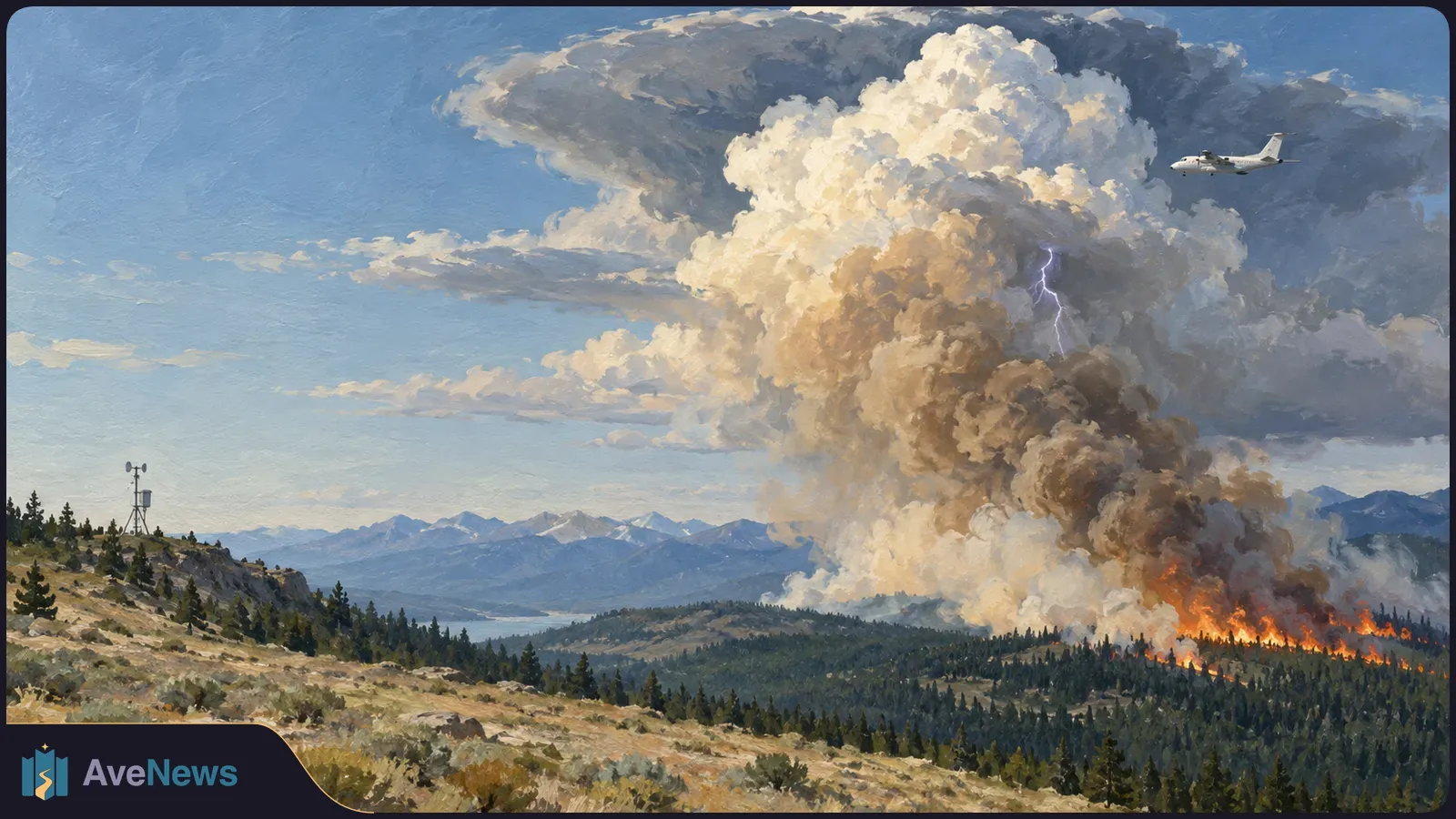
Observations over the Sand Creek fire showed how rising, fire-heated air formed a cloud cap and helped researchers connect surface burning with cloud structure.
4 min
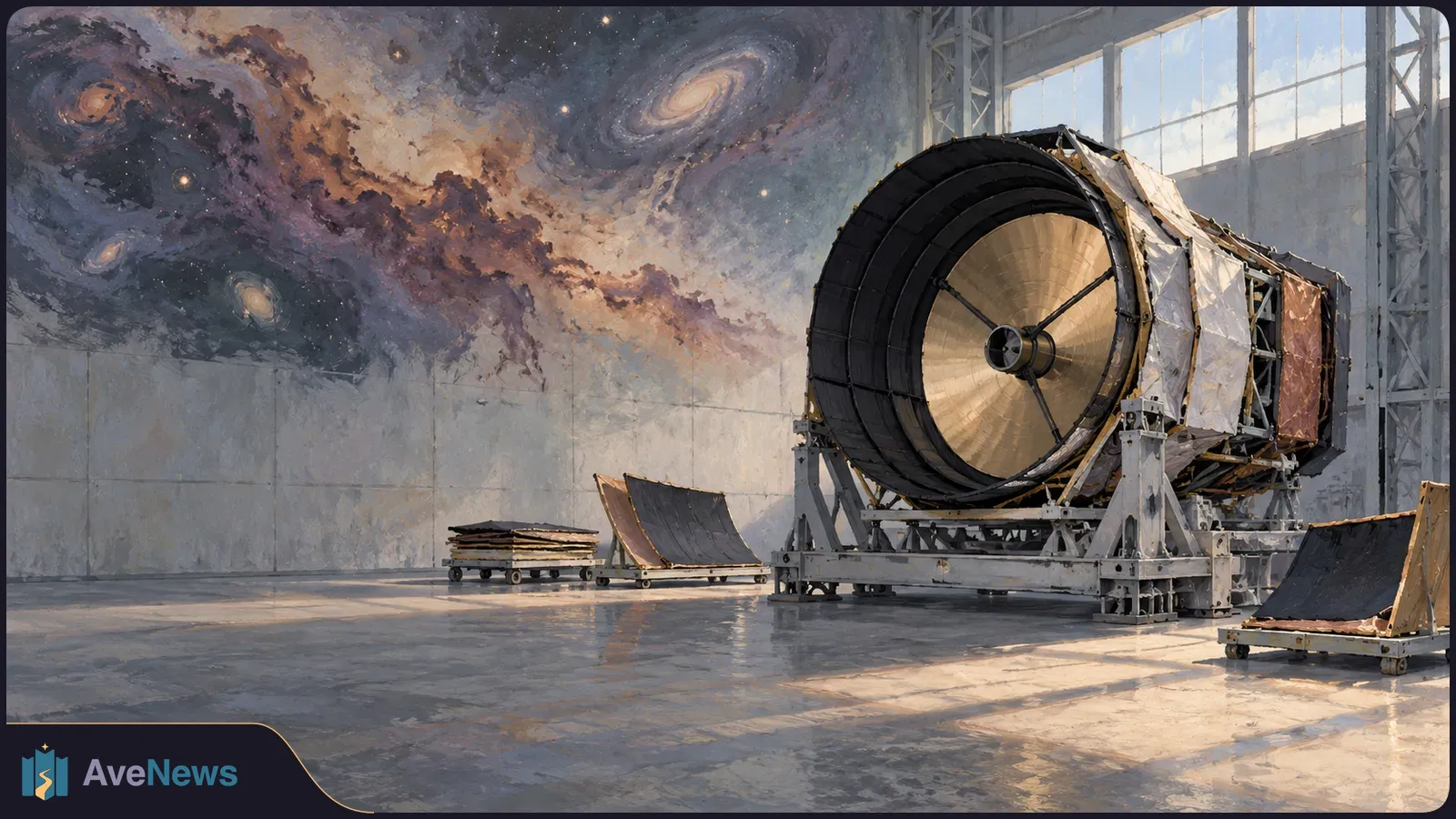
The proposed far-infrared telescope would cover wavelengths between Webb and radio telescopes. Confirmation is still pending, and its 2033 launch target depends on completing development.
2 min
