
Ordinary supernovas may explain stars linked to hypernovas
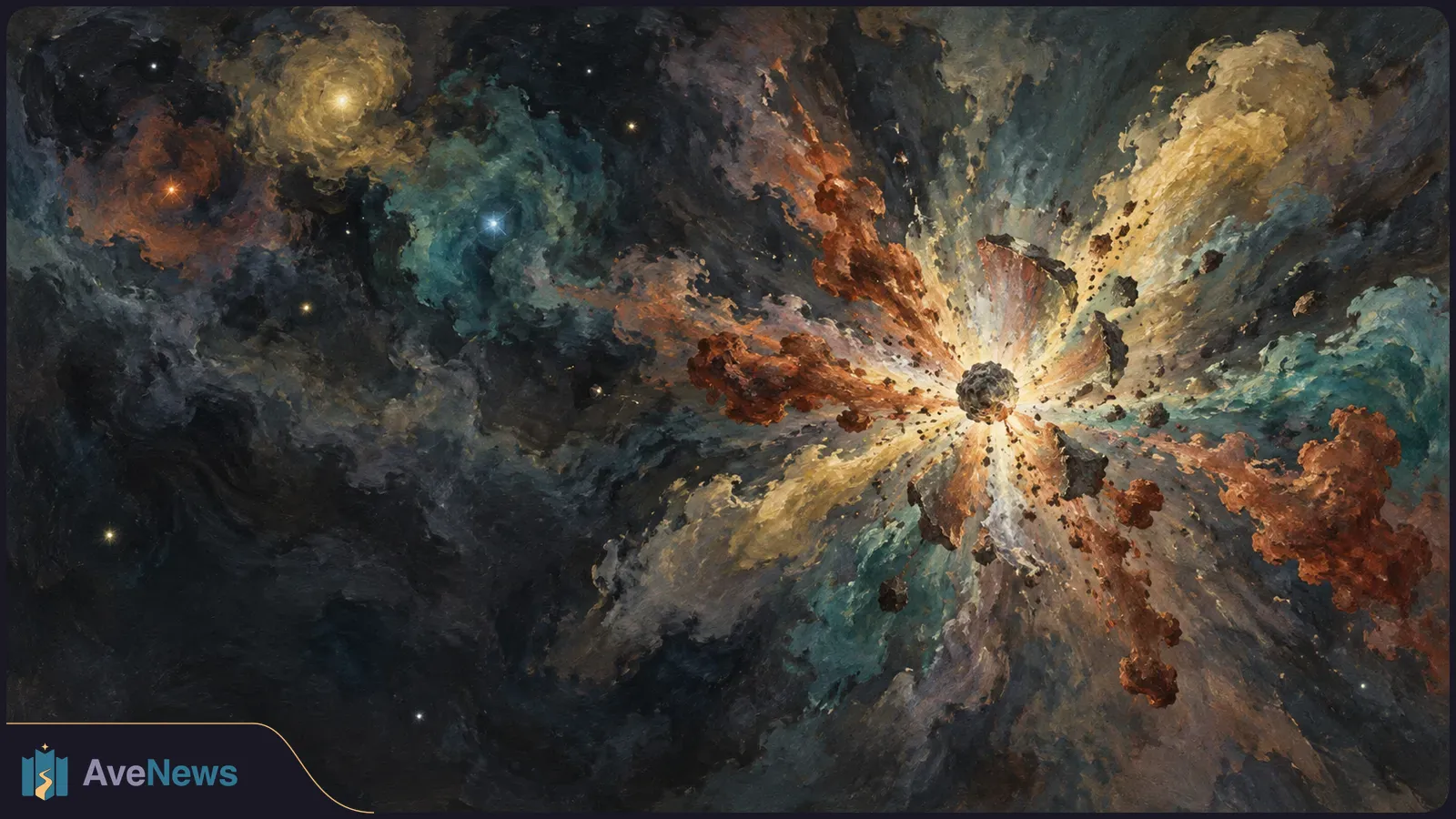
A model that lets elements spread unevenly matches unusual stars’ chemistry, offering an alternative to exceptionally energetic explosions without ruling them out.
A model that lets elements spread unevenly matches unusual stars’ chemistry, offering an alternative to exceptionally energetic explosions without ruling them out.
Some unusual stars in the Milky Way may owe their chemical makeup to ordinary supernovas rather than hypernovas—exceptionally energetic supernova explosions. A mathematical model that accounts for uneven dispersal of elements matched the stars’ observed element ratios as well as or better than a hypernova model, Science News reports. The research appeared in September in Monthly Notices of the Royal Astronomical Society.
These stars lie in the galaxy’s halo, its outer sphere of stars, which contains many old stars with few heavy elements. Researchers had previously proposed hypernovas as the source of the stars’ elements because they thought ordinary stellar events alone could not produce the observed ratios. The new model offers an alternative explanation for those patterns, not proof that hypernovas do not exist.
When a star dies, it releases elements into space, sometimes through a supernova explosion. Those elements mix with gas that may later form new stars. Different kinds of explosions leave different chemical patterns, so astronomers compare the relative amounts of elements in a star to infer what happened before it formed.
That inference depends on how the material spreads. Models have often assumed that a supernova’s expelled elements mix evenly with the gas that forms new stars. The new research instead accounts for observations and computer models showing uneven dispersal: a clump of oxygen might travel mainly in one direction, while nickel travels in another.
University College London astrophysicist Ralph Schönrich says these local excesses are unlikely to average out completely as the material mixes with dust and gas between stars. That is especially relevant to the earliest generations of stars, which contain fewer heavy elements. Two stars forming on opposite sides of the same supernova site could therefore inherit different chemical compositions.
Adam Burrows, a Princeton University astrophysicist who studies supernovas and was not involved in the research, says irregular mixing is already familiar to supernova researchers. In his assessment, that understanding has been less widely shared with astronomers studying how galaxies and successive generations of stars evolve.
MIT astronomer Anna Frebel cautions that a good fit shows one possible way earlier explosions could have supplied a star’s elements; it does not show that this was the only possible route. She considers both ordinary supernovas and hypernovas plausible origins for these stars and says the new models do not rule out hypernovas.
The stars’ origins remain unresolved. Science News reports agreement among astronomers that further studies of supernovas and gas mixing are needed.
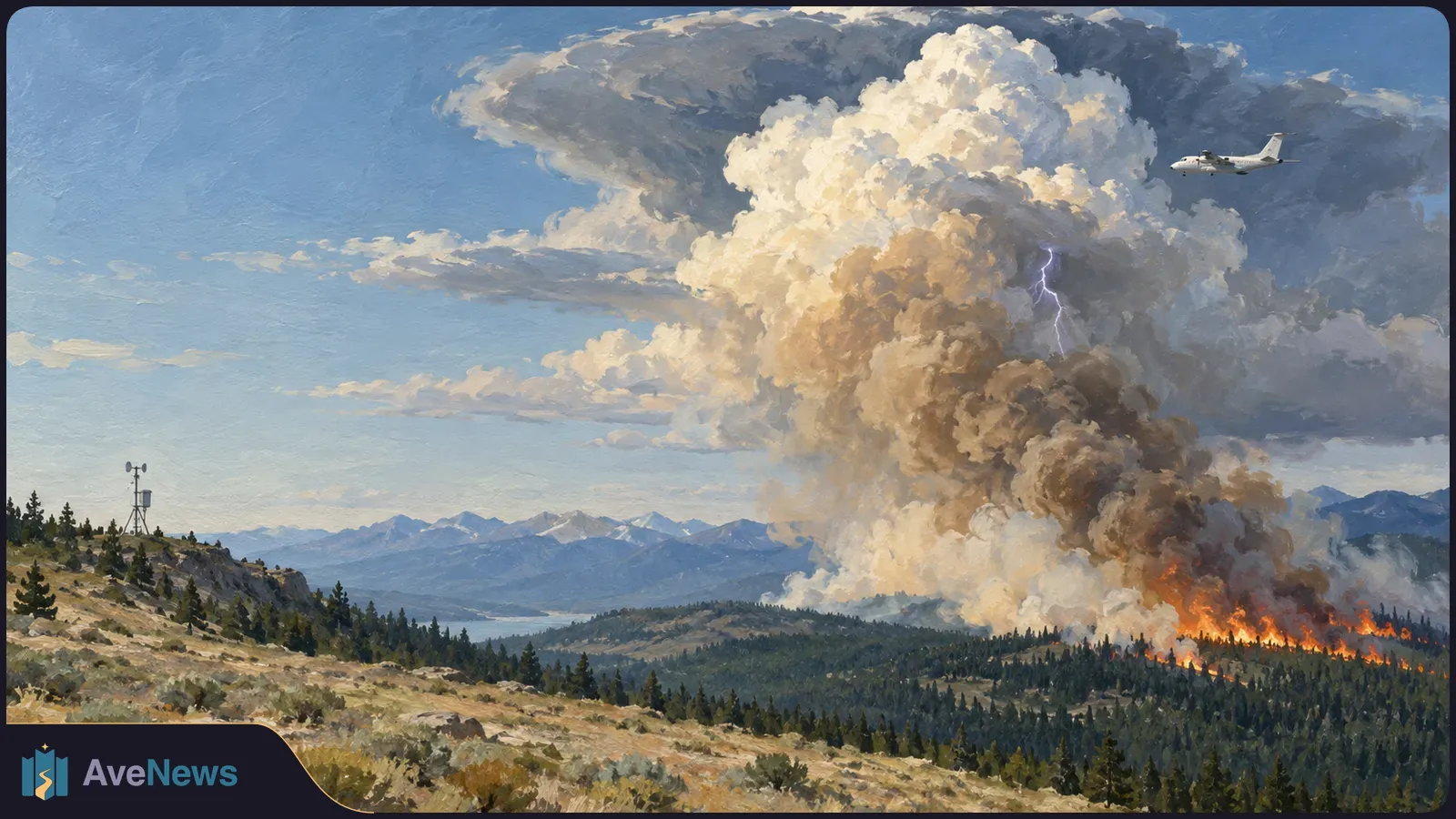
Observations over the Sand Creek fire showed how rising, fire-heated air formed a cloud cap and helped researchers connect surface burning with cloud structure.
4 min
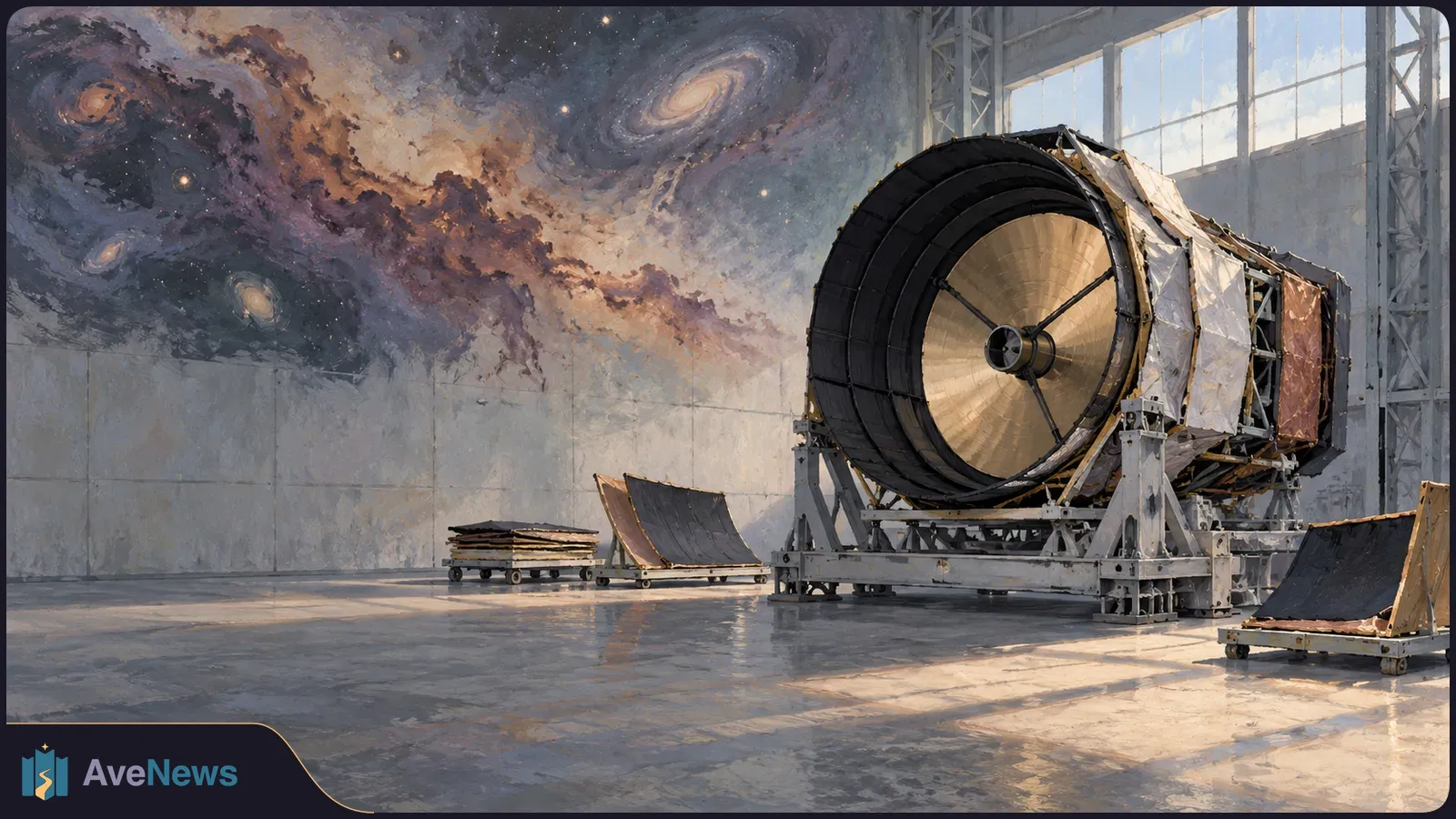
The proposed far-infrared telescope would cover wavelengths between Webb and radio telescopes. Confirmation is still pending, and its 2033 launch target depends on completing development.
2 min

The Commonwealth Games finalist says continuous urine leakage once limited her training. Surgery in 2013 brought relief, and Gynocare supported her schooling.
2 min
