
San Luis Valley plan would raise some pumping fees from $150 to $500
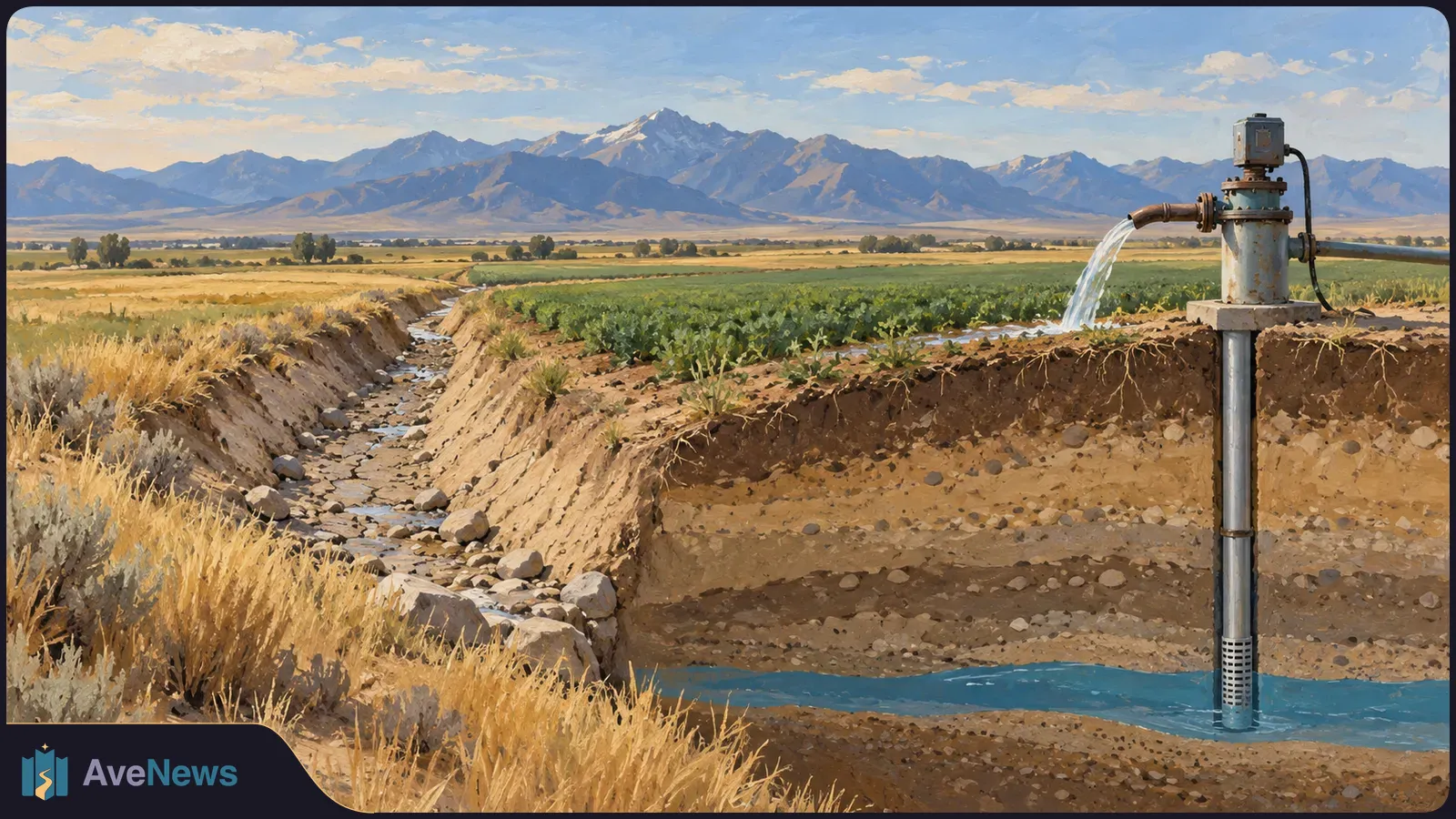
The proposed charge applies to groundwater pumped beyond farmers’ surface-water rights. A court decision is pending as a 2031 aquifer-restoration deadline approaches.
The proposed charge applies to groundwater pumped beyond farmers’ surface-water rights. A court decision is pending as a 2031 aquifer-restoration deadline approaches.
Groundwater Subdistrict No. 1 in Colorado’s San Luis Valley proposes raising a pumping fee from $150 to $500 per acre-foot for groundwater used beyond a producer’s surface-water rights. Inside Climate News reported on October 4 that the proposed price is deliberately high to force pumping reductions, with some farmers warning it could put them out of business.
The court has not ruled on the plan. A weeks-long Colorado water court trial took place in summer 2026, and a decision is expected later in the year.
An acre-foot is enough water to cover one acre one foot deep. Under the existing arrangement, many producers earn pumping credits by using their surface-water allotments to recharge the aquifer—the underground water supply—and pay a fee for additional groundwater they need. The proposed $500 charge would apply to pumping beyond their surface-water rights, not to every acre-foot they pump. Producers with unused surface-water rights could sell those rights to producers without them, at a market-set price, as an alternative to paying the higher fee.
The plan seeks a one-to-one balance: for every acre-foot of groundwater pumped, an acre-foot would be returned to the aquifer.
The valley’s shallower, unconfined aquifer supplies most irrigation wells. Its stored water has fallen by an estimated 1.3 million acre-feet since monitoring began in 1976. Decades of overpumping and persistent drought have depleted the supply, which reached a record low in August. Groundwater pumping fell by about one-third over the past decade, but officials say long-term storage continues to worsen.
The subdistrict’s management plan, approved by the Colorado Supreme Court in 2011, set a 2031 deadline for meeting sustainability goals. State Engineer Kevin Rein warned that groundwater withdrawals would have to be curtailed if those goals were not met. Restrictions could come earlier if it became undeniable that the goals could not be achieved. Well shutoffs are therefore conditional, not an already ordered outcome.
Farmer Willie Myers argues that the fee would unfairly place the restoration burden on producers who rely entirely on groundwater, rather than those who also hold surface-water rights. He says the charge would effectively shut down operations. Myers favors the approach used in nearby Subdistrict 5: a pumping cap covering all producers, with those exceeding it facing removal from the subdistrict and legal action by the state.
Farmers differ on how much land might leave production to meet the one-to-one goal. Their estimates concern circular crop fields, typically about half a mile in diameter. These are projections, not confirmed losses.
| Farmer | Estimated crop circles |
|---|---|
| Michael Jones | 100–200 |
| Mike Kruse | Up to 500 |
The effects would extend beyond individual farms, according to Gregor MacGregor, a water attorney and University of Colorado Law School faculty fellow. He says less acreage would mean fewer crops sold and lower purchases of seed, fuel, equipment and other farm supplies.
Judge Michael Gonzales said the case is likely to be appealed to the Colorado Supreme Court regardless of the ruling. Inside Climate News reports that an appeal would likely delay the groundwater plan by another 12 to 18 months, leaving the subdistrict closer to its existing 2031 restoration deadline.

The model learns from aligned Moon observations, then adapts to research tasks. Reported ice-map gains do not amount to physical confirmation of ice.
4 min
Provisional figures put England’s eight-month total second behind the full-year record in 2022. They also include the first wildfire death recorded in a series beginning in 2010.
5 min

At Fountains Abbey, possible adaptations include greater drainage capacity and less manicured gardens. The National Trust says preserving everything as it looks today may not be possible.
2 min
