
South Korea allows travelers to carry in personal medicines
The medicines regulator and customs service announced the change on 11 November 2026, and put it into effect on 12 November, allowing qualifying medicines for personal treatment into South Korea.

In this article
South Korea’s Ministry of Food and Drug Safety and Korea Customs Service have allowed travelers to carry qualifying medicines for their own treatment into the country since 12 November. They announced the change on 11 November 2026.
The authorities said they developed the change after repeated complaints that customs was holding medicines people had legitimately obtained in South Korea or abroad. Obesity medicines including Wegovy, Mounjaro and Saxenda had previously been prohibited from import in principle after the ministry designated them as harmful medicines, broadcaster SBS said.
What travelers can bring
Travelers may carry a total of 6 bottles. If the quantity exceeds 6 bottles, the limit is a 3-month supply calculated using the medicine’s dosing instructions. For a once-weekly injection such as Mounjaro, that means 12 doses.
The medicine must have formal approval from the regulator in the country concerned and must have been prescribed or purchased through that country’s legitimate medical system. The rule covers returning Korean patients with their own medicines, foreigners and international students bringing medicines they used abroad, and medicines prescribed during overseas trips.
The change applies to medicines travelers carry themselves. Importing obesity medicines by international mail remains prohibited.
Travel for prescriptions
Korea JoongAng Daily said all 384 appointments through 19 November at one Japanese telemedicine service had been booked by 12 November. The service offers Korean tourists remote Mounjaro prescriptions with interpretation and can deliver the medicine to their hotels.
VnExpress said travel packages called “Sushijaro tours” began appearing on 11 November. Some agencies arrange Japanese clinic appointments or help travelers reach them.
SBS estimated that a 4-week supply of Mounjaro’s 2.5-milligram starter dose costs about 280,000 to 350,000 won in South Korea, compared with about 100,000 won in Japan.
Korea JoongAng Daily attributed part of the lower price to Japan’s drug pricing system. The government sets official prices for Mounjaro and Zepbound, which are covered by national health insurance for Type 2 diabetes and obesity respectively. Those prices influence clinic charges even for patients who pay the full cost, while competition among clinics has also pushed prices lower.
Safety concerns and next steps
Lee Joo-yeol, a health administration professor at Namseoul University, told SBS that easier access through trips to Japan could lead to abuse and misuse. SBS said a plan to designate obesity medicines as prone to misuse had been delayed.
The ministry and customs service said they would continue cooperating to protect public safety while reducing inconvenience.
Share
Follow AveNews
Earlier in Science
 Space
NASA to begin Mars sample-return review in January
A strategy team will begin assessing ways to return Perseverance’s samples in January 2027 and aims to recommend a broad mission design by the end of 2027, program executive George Tahu said on 12 November.
3 min
 Earth
Donors pledge more than $480 million to cut greenhouse gases
At COP31 in Antalya, the UK also announced $25 million to support emissions cuts in seven countries, including Ethiopia and Côte d’Ivoire.
2 min
 Rights
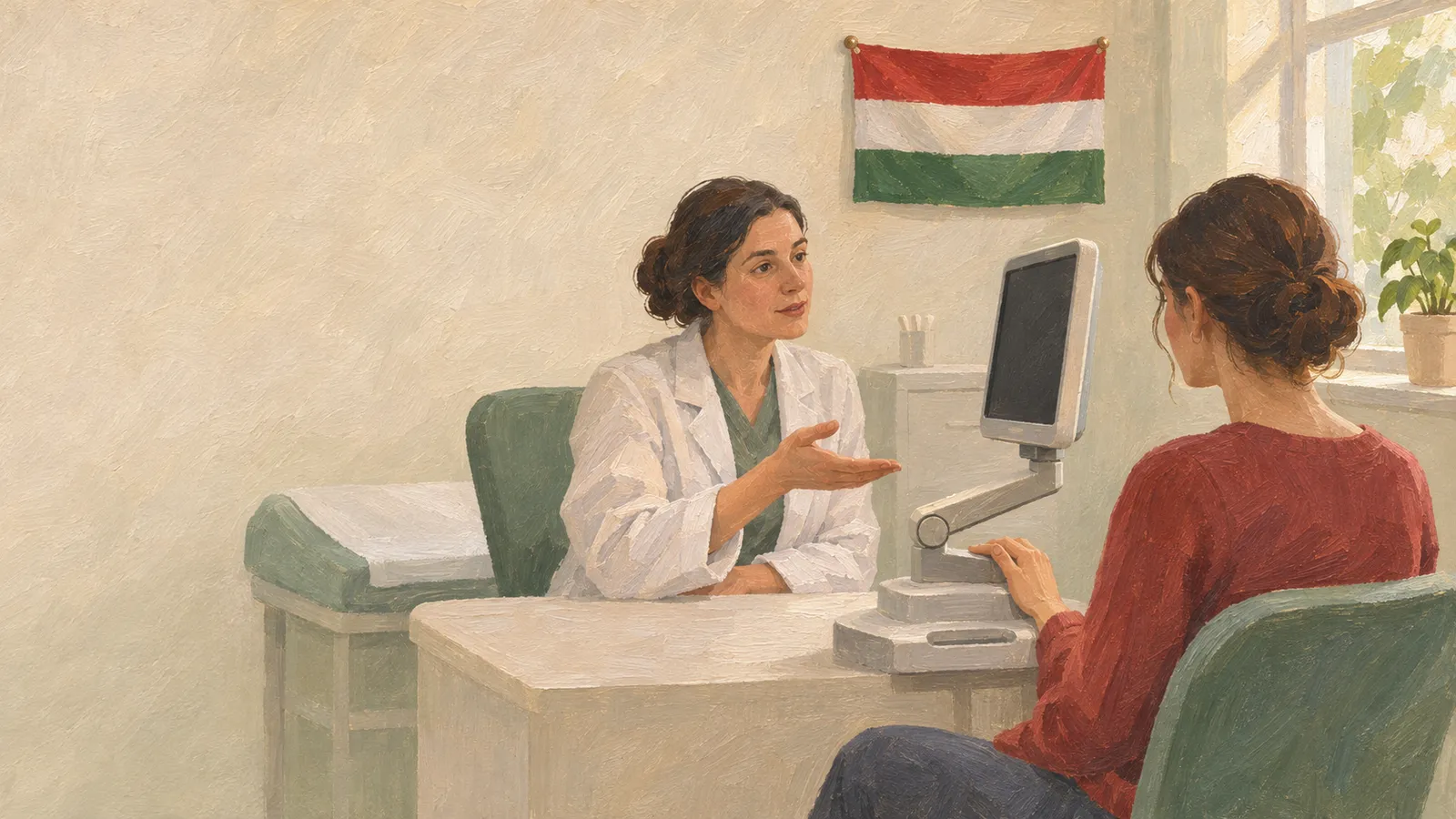
Hungary’s government proposes ending mandatory fetal-sign check
Prime Minister Péter Magyar also proposes prescription-free emergency contraception and plans to initiate ratification of the Istanbul Convention on violence against women.
2 min


