
Sudan drone strikes stop dialysis for 25 patients, UN coordinator says
A strike-related power failure stopped dialysis for 25 patients at a hospital outside Khartoum, UN coordinator Denise Brown says. Fuel shortages have also stranded hundreds of aid trucks, preventing food, nutrition and shelter deliveries.

In this article
Drone strikes cut electricity to a hospital just outside Khartoum, stopping dialysis for 25 patients, Sudan’s UN Resident and Humanitarian Coordinator Denise Brown said. The hospital had neither a generator nor solar panels, she said. Dialysis is a treatment that filters waste from the blood when the kidneys cannot do so adequately.
Brown told UN News that World Health Organization colleagues were at the hospital when the power failed. She said strikes had intensified over the preceding couple of weeks and had also hit markets and sites where displaced people were staying.
Brown said civilian infrastructure appeared to be targeted, with energy and fuel sources apparently being systematically targeted and destroyed. She described this as an apparent violation of international humanitarian law, but said she did not know where the strikes originated.
Fuel shortage strands hundreds of aid trucks, Brown says
Hundreds of humanitarian trucks are stuck for lack of fuel, Brown said. Without fuel to move supplies, aid workers cannot deliver food, support children with severe acute malnutrition or provide tents for displaced people.
Brown said water services were also disrupted, women were giving birth without hospital lights and operations could not take place. In Khartoum, fuel queues stretched for kilometers, leaving daily-wage tuk-tuk drivers waiting several days without earnings, she said.
The shortages add to a crisis in which war continues to displace millions. Brown said severe rainfall deficits had pushed people in parts of Darfur and Kordofan to move in search of food. Citing UNICEF studies, she said severe acute malnutrition exceeded the emergency threshold in many areas, particularly those directly affected by war.
Aid groups face attacks and cuts
The World Food Programme carries food to places where local markets lack supplies. Brown said its convoys had been hit seven times in 2026 and 20 times over the preceding two years, causing deaths and the loss of food.
The UN response works with local communities and national and international aid groups; Brown said communities are the first to respond. She said aid workers could still deliver assistance and that there had been substantial progress on visas and permits, but supplies could not move without fuel.
Brown called on those responsible to stop the strikes and urged UN member states to help ease the situation. She also appealed for donor funding to expand assistance, saying the World Food Programme was cutting both the number of people it serves in Sudan and their rations.
Earlier in Politics
 Security
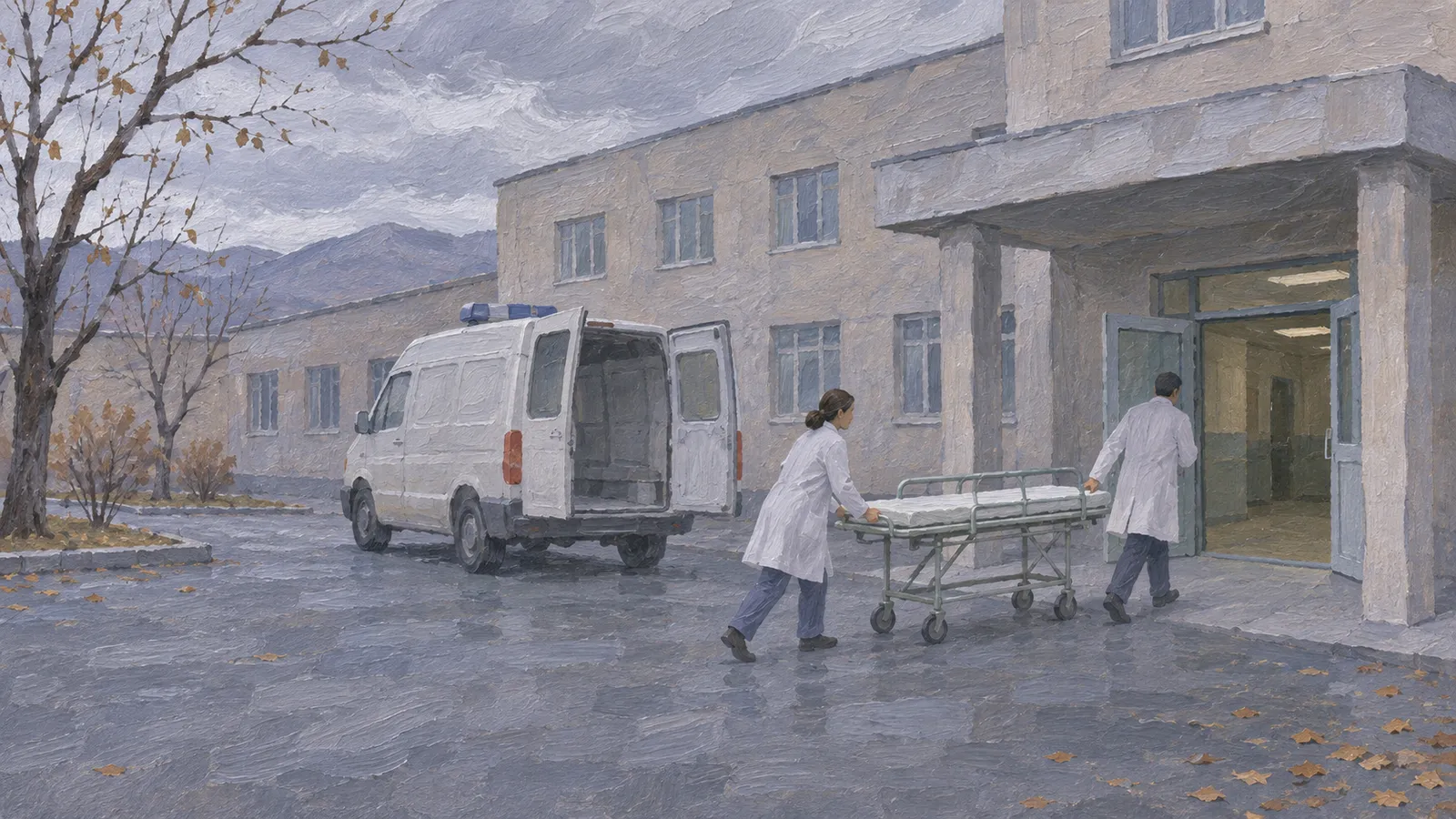
Armenia’s Health Ministry says 3 hospitalized after Ushi crash
One patient was in extremely serious condition in intensive care after the November 3 collision, the ministry said; another was undergoing surgery and a third was being examined.
1 min
 Elections
Democrat Annie Andrews wins South Carolina’s US Senate seat
Andrews defeated appointed Republican incumbent Darline Graham. Andrews said Graham called to congratulate her on the victory.
1 min
 Companies
Australia’s High Court rejects Uber appeal over A$81 million tax bill
The court ruled 6–1 on 4 November, leaving Uber liable for A$81 million in New South Wales payroll tax for 2015–2020 and exhausting its legal avenues against the assessments.
2 min


