
Superfluid helium qubit design targets quantum-computing errors

Surrey researchers calculate error rates about 100 times lower than conventional superconducting qubits. A prototype must test that prediction.
Surrey researchers calculate error rates about 100 times lower than conventional superconducting qubits. A prototype must test that prediction.
Researchers at the University of Surrey have proposed a new qubit—the basic unit of information in a quantum computer—built around superfluid helium-3, a form of liquid helium that can flow without friction. The design aims to protect fragile quantum information from some disturbances that cause computing errors.
The study, published in npj Quantum Information and described in ScienceDaily’s October 1 report, sets out the Superfluid Helium Oscillator Quantum (SHOQ) device. The researchers’ calculations suggest error rates about 100 times lower than those of conventional superconducting qubits. That is a prediction, not a measured result from a working device.
Many current quantum computers use superconducting circuits to store and process quantum information. These circuits are sensitive to electromagnetic noise—disturbances involving electric and magnetic fields—and stray electrical charges. Even small disturbances can disrupt the information in a qubit. As more qubits are added, controlling errors becomes increasingly difficult, limiting efforts to build larger quantum computers.
The proposed SHOQ device takes a different approach: its superfluid helium carries no electric charge. The researchers say this electrical neutrality could protect the device from certain types of electromagnetic noise. The proposal does not claim protection from every source of error.
The team envisages using SHOQ alongside superconducting quantum hardware rather than replacing it. One longer-term possibility is quantum memory: a superfluid qubit could hold quantum information while other hardware performs calculations. Different types of qubits could then handle different tasks within the same system.
The device would need extremely low temperatures. ScienceDaily reports that the necessary conditions have already been reached in earlier experiments involving superfluid helium-3, but the proposed qubit itself still needs testing. The team’s next planned step is to build a prototype and find out whether a real device can reproduce the calculated performance.

A wetter, windier October–December outlook raises the potential for flooding, but depleted reservoirs need above-average winter rainfall to recover.
2 min
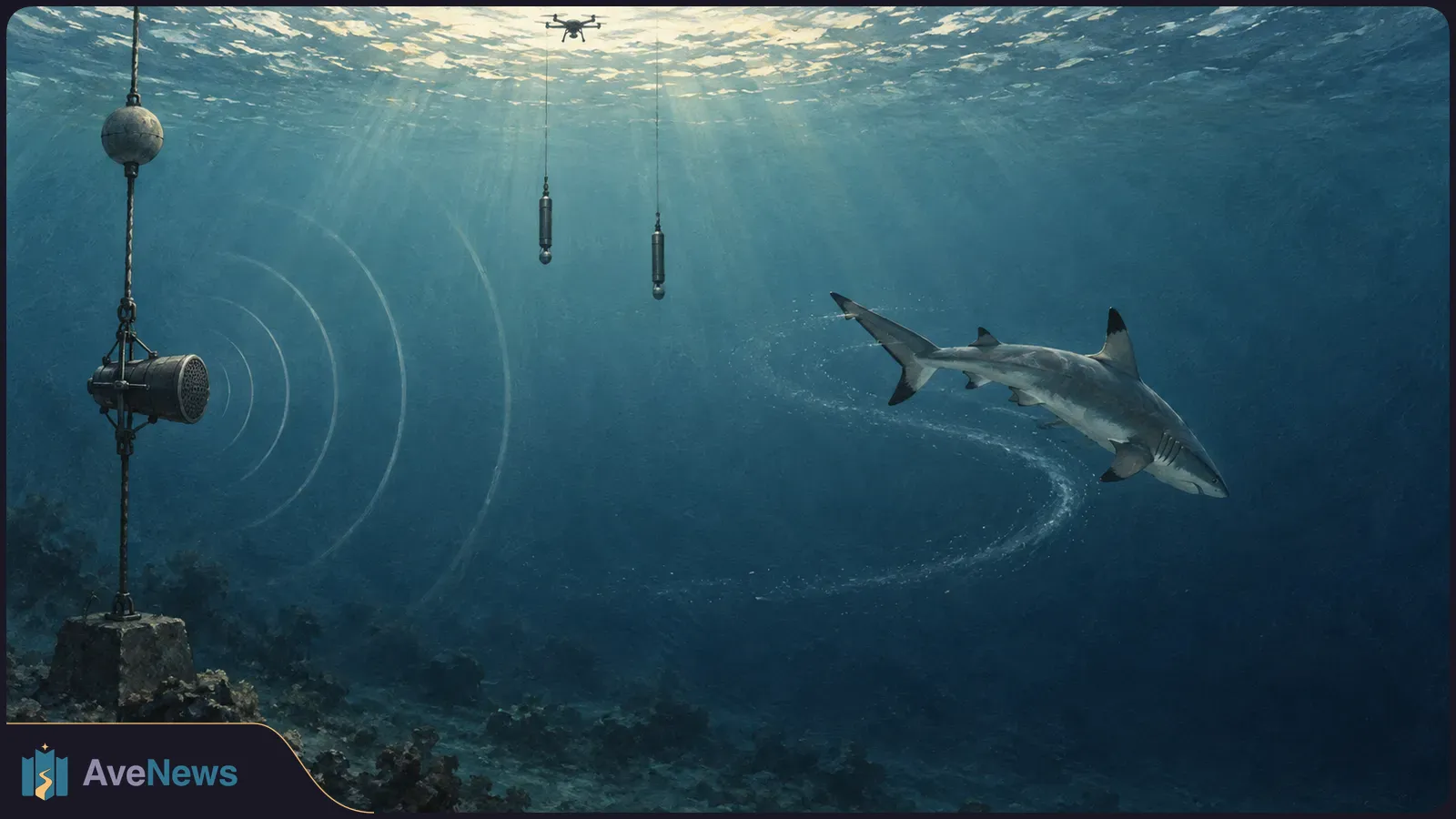
An ocean experiment recorded rapid turns away from low-frequency sounds, offering evidence of direction sensing without proving a reliable shark deterrent.
3 min

Brain-age estimates differed across conditions and brain regions, but the findings do not show that the disorders cause faster aging.
2 min