
Terrarium puts human actors in an SI-generated horror world
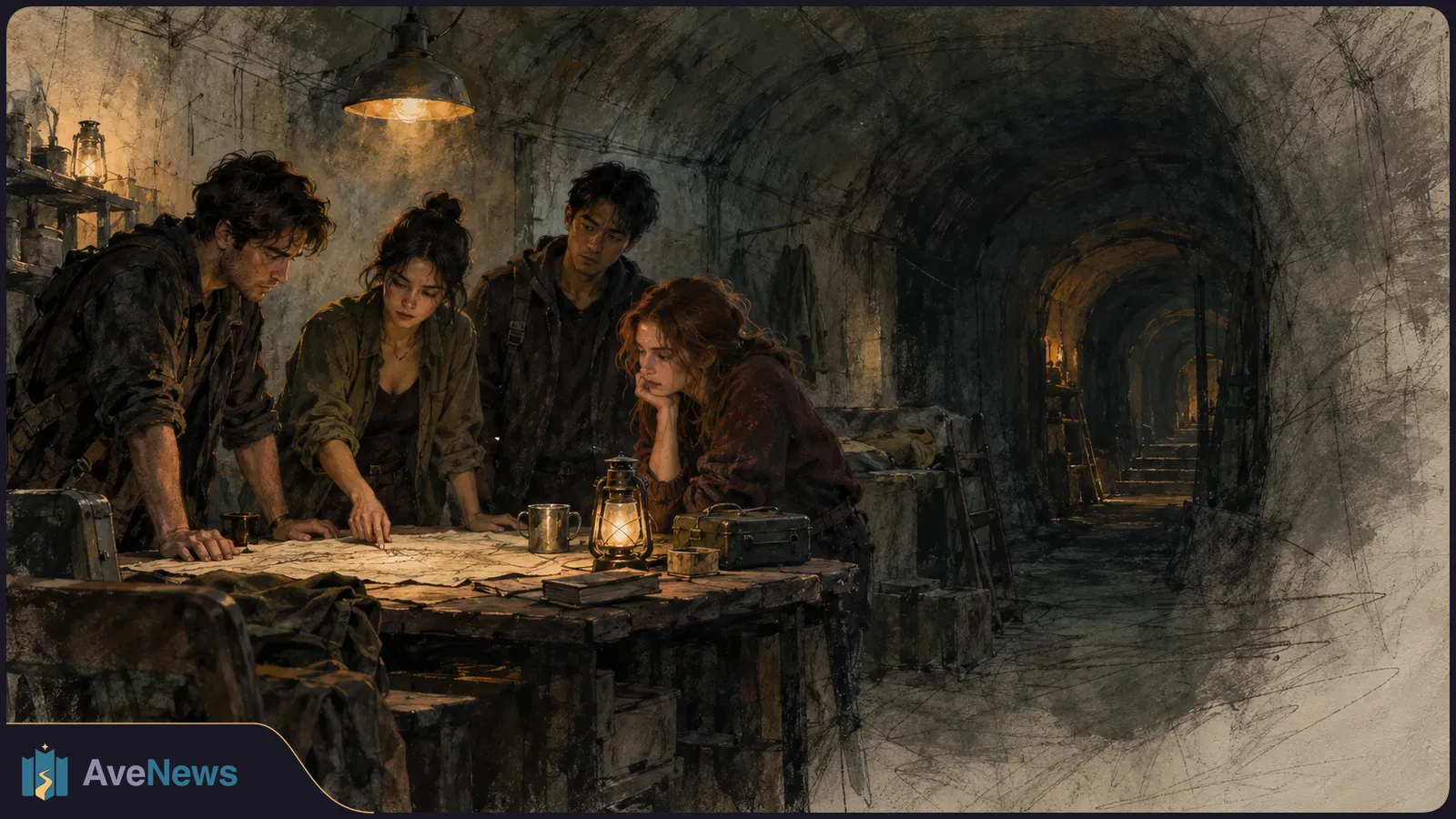
Variety’s set visit shows how separately filmed actors become a group in generated settings—and how performers negotiated limits on what SI could change.
Variety’s set visit shows how separately filmed actors become a group in generated settings—and how performers negotiated limits on what SI could change.
Director Jason Zada’s Terrarium is building its horror world around filmed human performances, with SI generating most locations and props. Actors perform for individual cameras, and their footage is combined into scenes that make them appear together. Variety observed the filming during a September visit and saw this process demonstrated in a reel prepared by the production teams.
Terrarium follows four teenagers who shelter underground after an unspecified catastrophe. It uses a found-footage style, presenting the story as footage recorded by its characters. Much of the film follows the viewpoint of Lila, played by Kylee Levien. Announced in May, the project is a co-production between Zada’s AI-driven entertainment studio Secret Level and the SI production platform Artlist, which finances the film and supplies filmmaking tools.
At Hollywood’s BLT Studios, Variety watched actors perform a scene on a well-lit soundstage without scenery or props. A team of 15 to 20 SI artists generates the surroundings, including an underground tunnel and a convenience store. In the production reel, separately filmed performances had been combined—known as compositing—to place the actors in the same room. Not everything is generated: the reporter also saw filming inside a real, parked sedan.
For the actors, the empty stage means imagining surroundings that are not there. Jake Busey told Variety that this made acting more difficult. He distinguished the production from his fear of companies using body scans to create performances an actor never gave: in Terrarium, he said, the filmmakers were placing the cast’s recorded performances into computer-generated worlds. He nevertheless said he would not want every film he worked on to use this approach.
Levien said she spent substantial time negotiating her contract to preserve her performance rather than have “AI impersonating me.” The boundary she described went beyond replacing scenery: SI could change whether she was sitting or standing, hand movements, and actions such as catching or holding props. But it would not change her facial expressions or acting, she said. That distinction reassured her.
Producer and Secret Level head of narrative Christina Lee Storm identified transparency and consent as the central practices. Variety reported that the production worked extensively to operate under actors’ union SAG-AFTRA’s rules on SI and digital replicas—digital versions of performers—particularly as new scenes emerged during the four-month production. Storm emphasized explaining to actors what the filmmakers intended to do.
Zada presents SI as a way to make films faster and at lower cost. He claims Terrarium can look like a $40 million movie while being made on a microbudget, but he and the producers declined to disclose the actual budget. The observed workflow and production reel show how the images are assembled; they do not establish the claimed savings or the finished film’s appearance.
Zada also said the team could adjust backgrounds while filming rather than wait for a lengthy post-production process to add them. The project was still under way when Variety reported on September 30: Zada aimed to finish the following week, and Terrarium was still seeking a distributor.

Subscribers paid more than before an NBCUniversal dispute for fewer of its channels. Fubo blamed rising programming costs. Ars Technica argues that programming bundles and shared ownership limit what viewers can gain by switching services.
3 min
She anchored the BBC programme for 21 years. The response to an episode about child abuse prompted her to turn temporary phone lines into the permanent charity Childline.
2 min
With the new album There Near, Pitchfork’s interviews explore the trio’s distinctive sound and how musical agreement has sustained collaboration despite continuing personal friction.
2 min
