
Tesco introduces up to three days’ paid domestic-abuse leave
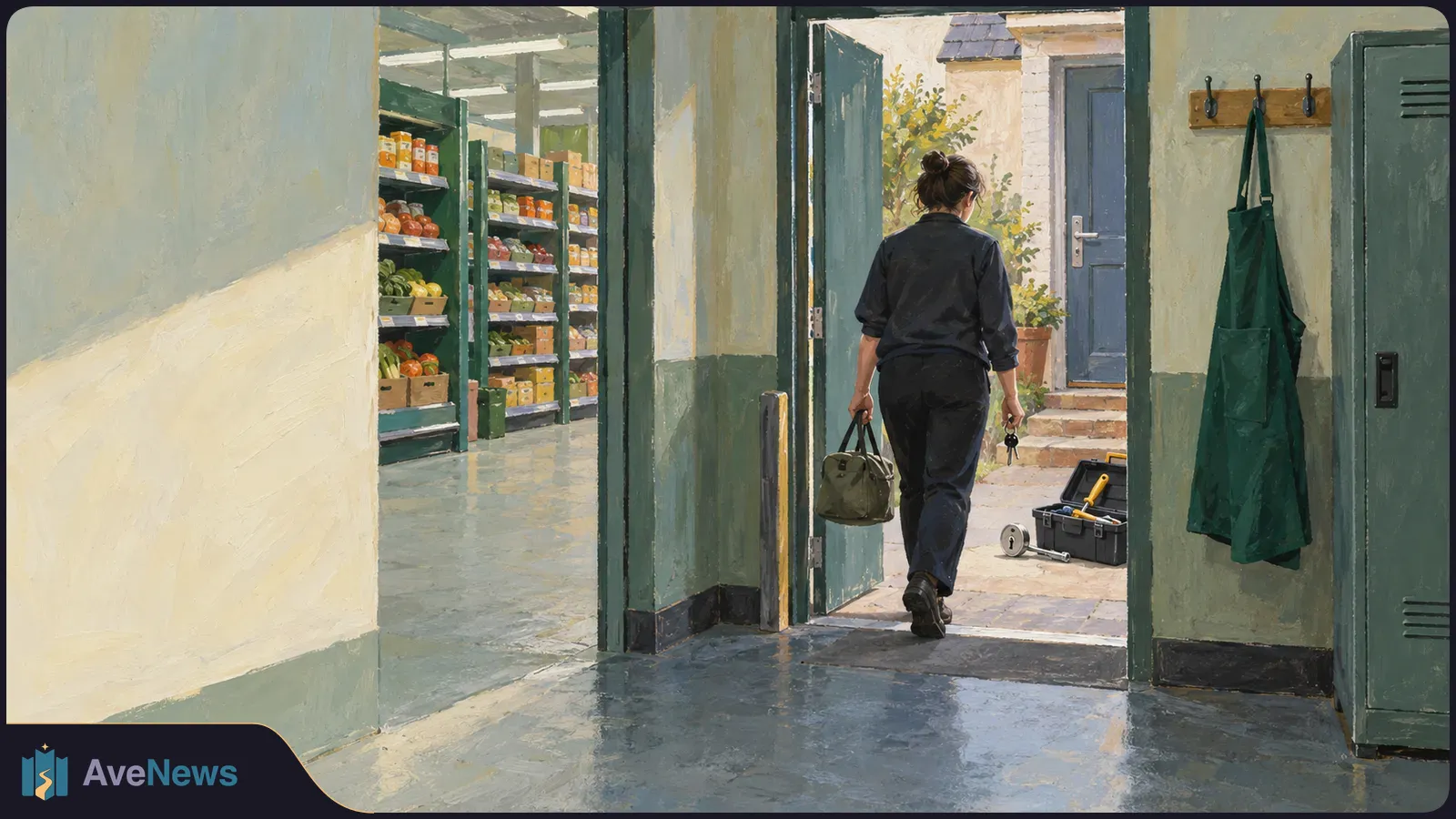
Staff can use the leave flexibly for practical safety needs, without providing formal evidence of abuse.
Tesco has introduced up to three days of flexible paid “safe leave” for staff experiencing domestic abuse, giving them time to seek support and take practical steps to secure their safety. The Guardian reported the policy on 2 October. Tesco employs 300,000 people in the UK.
The leave can cover court hearings, arranging emergency accommodation, changing locks, securing childcare or separating finances. Staff will not have to provide formal evidence of abuse to access it.
Tesco developed the policy with the shopworkers’ union Usdaw. Daniel Adams, an Usdaw national officer, said the union had successfully negotiated the entitlement. He said domestic abuse often affects survivors’ working lives and urged other employers to offer similar support.
Managers across Tesco have also been trained to recognise signs of domestic abuse, support affected staff and direct them to specialist services. Emma Taylor, Tesco’s chief people officer, said the policy was intended to give colleagues time and practical support without worrying about unpaid leave or explaining deeply personal circumstances.
The Guardian described Tesco as the first supermarket to introduce paid safe leave for domestic-abuse victims. Other UK employers, including BP and Vodafone, and some local councils already have support policies with measures such as protected paid leave, emergency accommodation and staff training, the newspaper reported.
Separately, the Guardian reported on 2 October that a private member’s bill before parliament proposed 10 days of paid leave for domestic-abuse victims in England and Wales. That measure was a proposal, not an enacted entitlement. Tesco’s three-day allowance is an employer benefit, separate from the proposed legal right.

The one-time payments are automatic, but customers of state-run insurance exchanges are excluded even if they paid full price.
2 min
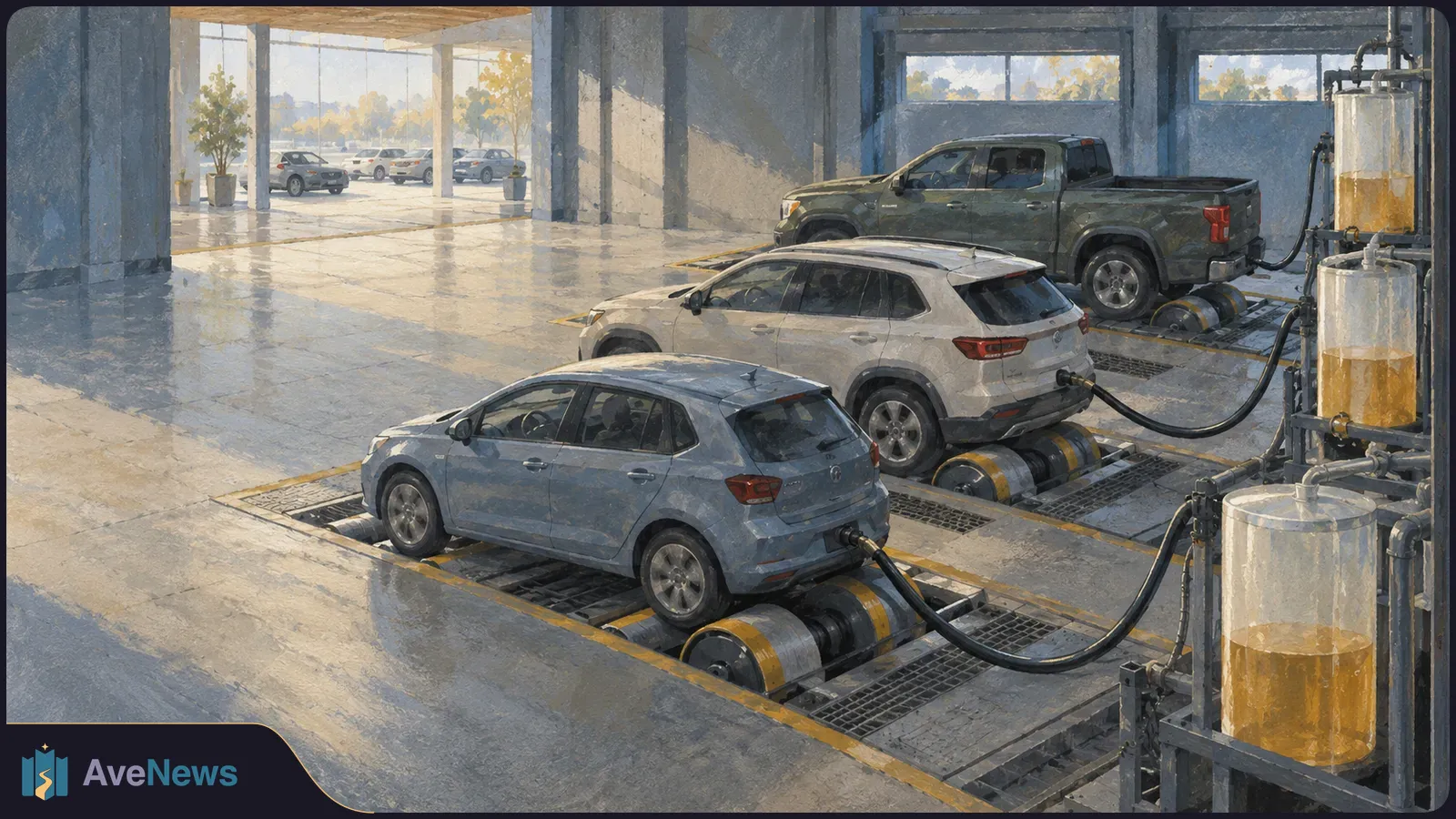
The reported 2031 requirement falls from about 50 to 35 miles per gallon across vehicle fleets. Lower purchase prices, if achieved, could come with higher fuel bills.
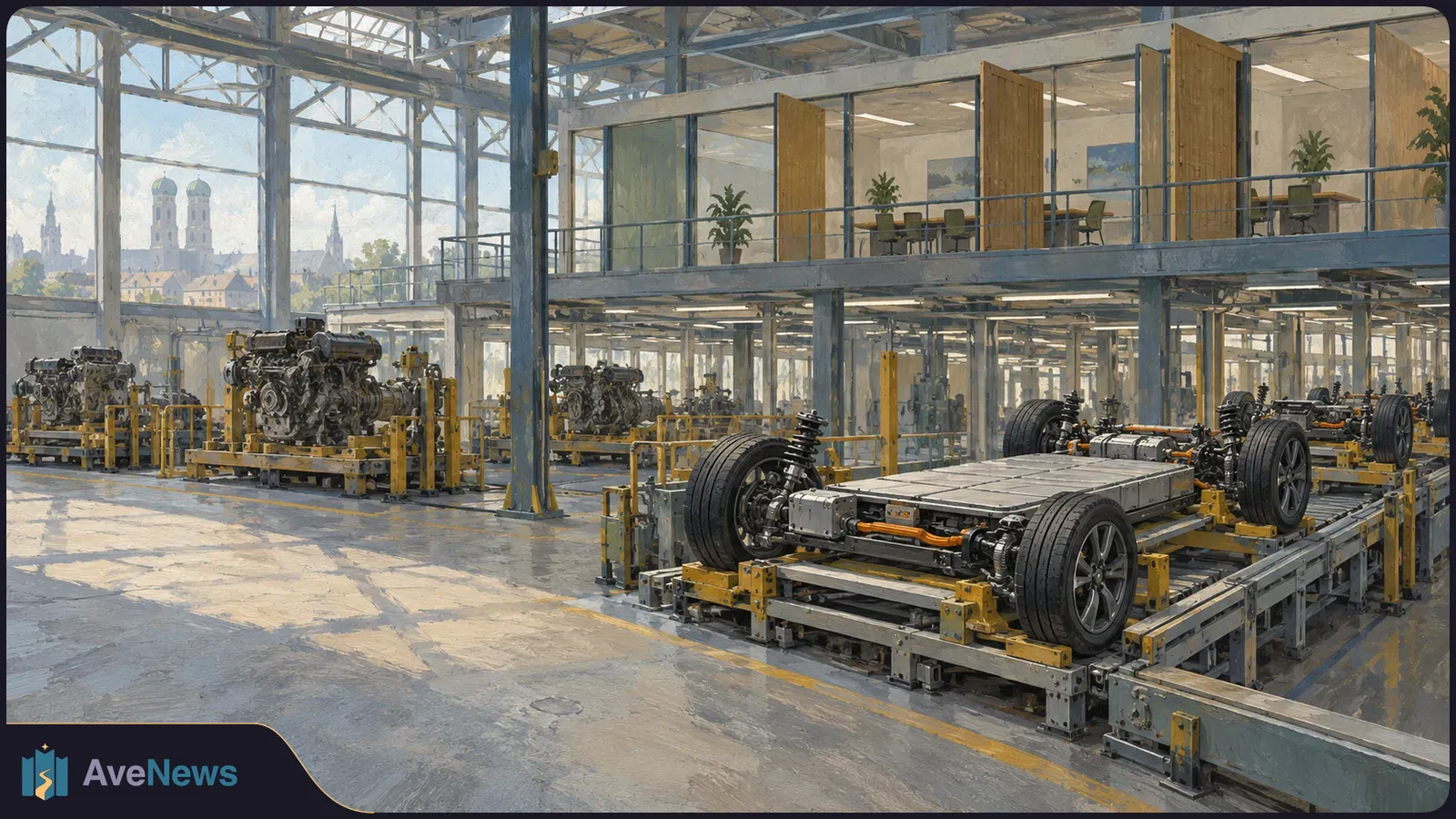
The carmaker aims to reduce divisions and associated management roles by a fifth by mid-2027, while preparing Munich to build only electric vehicles.
2 min
