UK and EU negotiators agree on three post-Brexit deals

The food, emissions and youth mobility agreements are expected to be signed at the Brussels summit, but EU sources say none can take effect without a settlement on tuition fees for EU students.
The UK and European Union have agreed deals on food and drink, emissions trading and youth mobility, the UK government said at their November 20 summit in Brussels. EU sources said none of the three would enter into force without a settlement giving EU students equal treatment on tuition fees at UK universities.
The agreements follow a strategic partnership reached at the first UK–EU summit in London on 19 May 2025. Negotiations on the three areas began under the government of then Prime Minister Keir Starmer, after Brexit introduced new barriers to trade and separated the two emissions trading systems.
The UK left the EU on 31 January 2020. The UK–EU Trade and Cooperation Agreement applied provisionally from 1 January 2021 and entered into force on 1 May 2021.
UK Prime Minister Andy Burnham attended the summit with European Commission President Ursula von der Leyen and European Council President António Costa. A Downing Street spokesperson said negotiations on the three deals had concluded, while the fee question remained unresolved.
The European Commission and EU Council consider the three sectoral agreements and a tuition-fee agreement one package,

International tuition fees at UK universities are typically about three times the domestic rate, Euronext reported.
UK universities currently receive several times the domestic rate from EU students. Lower fees would change what those students pay and what universities receive.
A draft EU Council statement seen by Politico says the Council will not adopt decisions to sign the three agreements until negotiations on equal tuition-fee treatment conclude. An EU diplomat said the draft was expected to be formally adopted by written procedure on 20 November.
After an overnight meeting of EU ambassadors in Brussels, the EU circulated a compromise text to member states under its silence procedure. Diplomats said no member state had objected. Under the procedure, that meant the text was deemed adopted and could be made available for the UK to sign, barring any last-minute problems on the UK side.
The Downing Street spokesperson said each side’s legal process would take place as they work toward implementation. The spokesperson said the sides had agreed when the deals would enter into force and that a joint statement to be published later would give those dates and identify areas where talks will continue.
The food agreement would remove certificates and controls currently required for cross-border trade in animals, plants and related products. The UK would align with EU rules on animal and plant health and food safety. It would be consulted at key stages of new EU food-standard laws but would not have a vote; France had opposed giving it one.
The emissions deal would reconnect the UK and EU systems for trading emissions allowances, a link severed by Brexit. Businesses on each side would be exempt from the other’s carbon charges on imports such as steel, cement and electricity. The agreement also requires alignment with relevant EU rules.
The youth mobility scheme would allow people aged 18-31 to live, work, travel and study on either side of the Channel for up to three years. Negotiators had provisionally agreed to allow 100,000 EU citizens to enter the UK each year under the scheme.
Earlier reports put the expected start of the food deal at 1 March 2028 and said British businesses might wait until 2028 for exemption from EU carbon border charges. The Guardian said the youth scheme might not begin until 2030. Energy UK policy director Adam Berman said a delay to carbon-charge exemptions would mean higher export taxes and electricity costs for British businesses, as well as a greater risk of product dumping on the British market.
Burnham said Treasury analysis estimated the deal could add up to 0.5% to UK gross domestic product, a measure of the economy’s output. He had previously estimated a 0.4% boost. Chancellor John Healey said easier trade would produce savings and help growth.
Separately from the three deals, a leaked draft joint statement envisaged UK–EU talks on sending refused asylum seekers to third countries. Before the agreement was announced, a spokesperson for Burnham said the government would bring a cutting costs bill to Parliament the following week if a deal was reached.
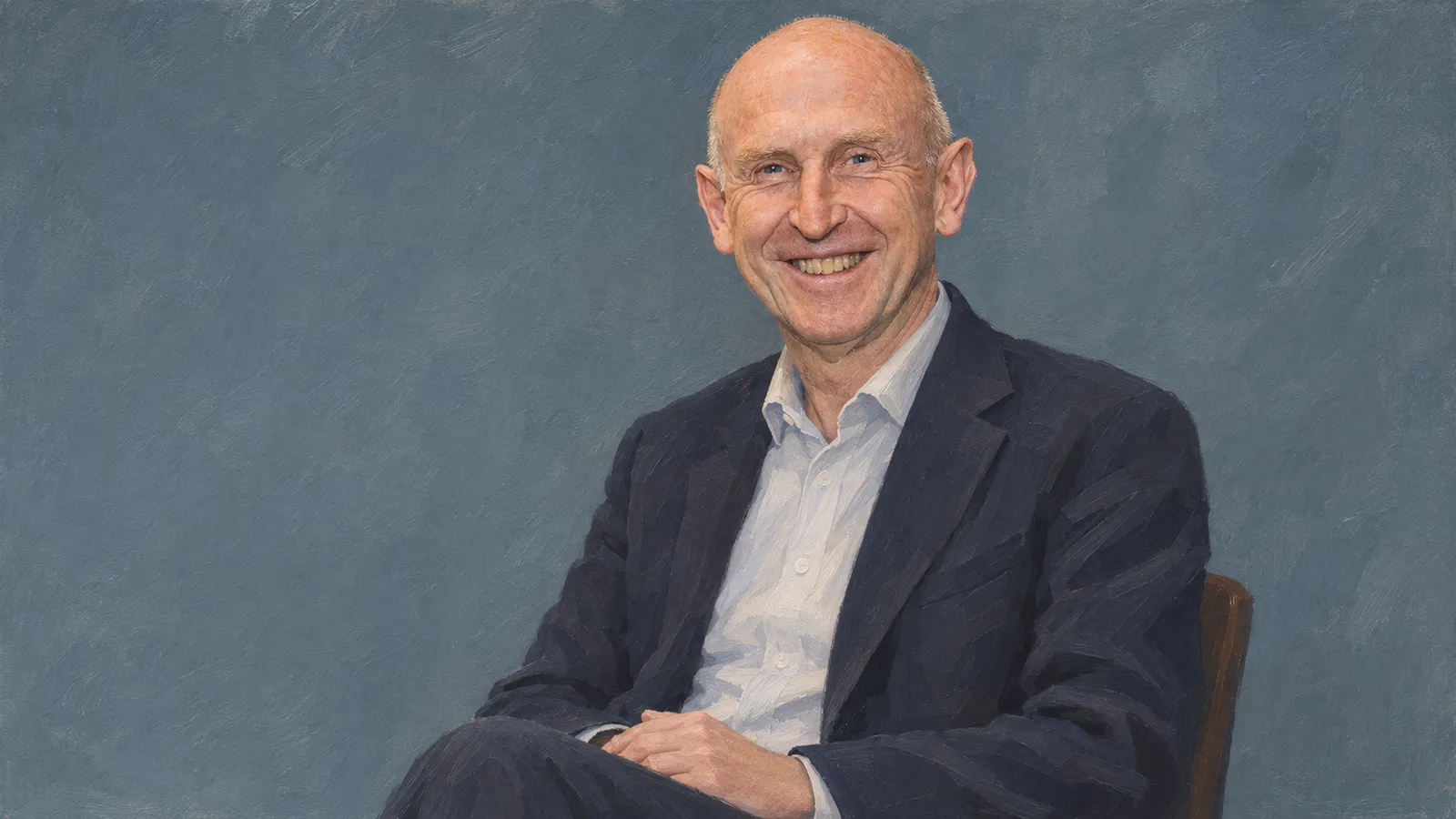
The Brussels summit sets out plans for youth mobility, food trade and linked carbon markets, while tuition-fee terms and the agreements' implementation remain unresolved.
6 min