UK and EU adopt declaration on post-Brexit deals

The Brussels summit sets out plans for youth mobility, food trade and linked carbon markets, while tuition-fee terms and the agreements' implementation remain unresolved.
The UK and European Union adopted a joint declaration in Brussels that sets out how they plan to ease food trade, link their carbon markets and let more young people live and work on either side of the Channel. The declaration records political agreement on those terms. The legal texts for the three deals have yet to be published, and the deals are not in force.
The two sides agreed to a strategic partnership at their first summit in London on 19 May 2025, building on the Trade and Cooperation Agreement that governs their post-Brexit relationship. They also welcomed a new agenda for cooperation, called the Common Understanding. In December 2025, the UK and European Commission set the next summit as their target for finishing talks on youth mobility, food standards and emissions trading.
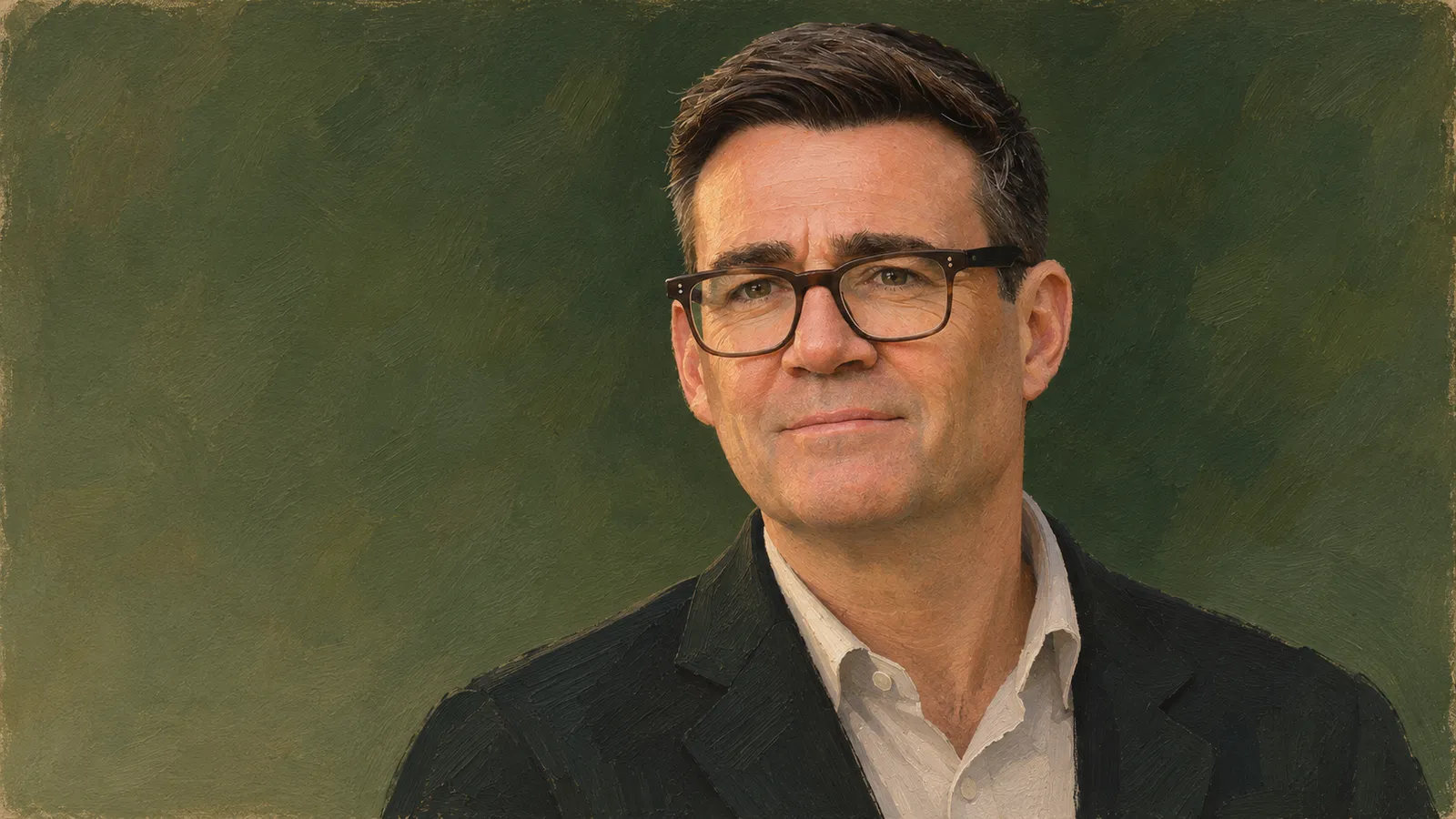
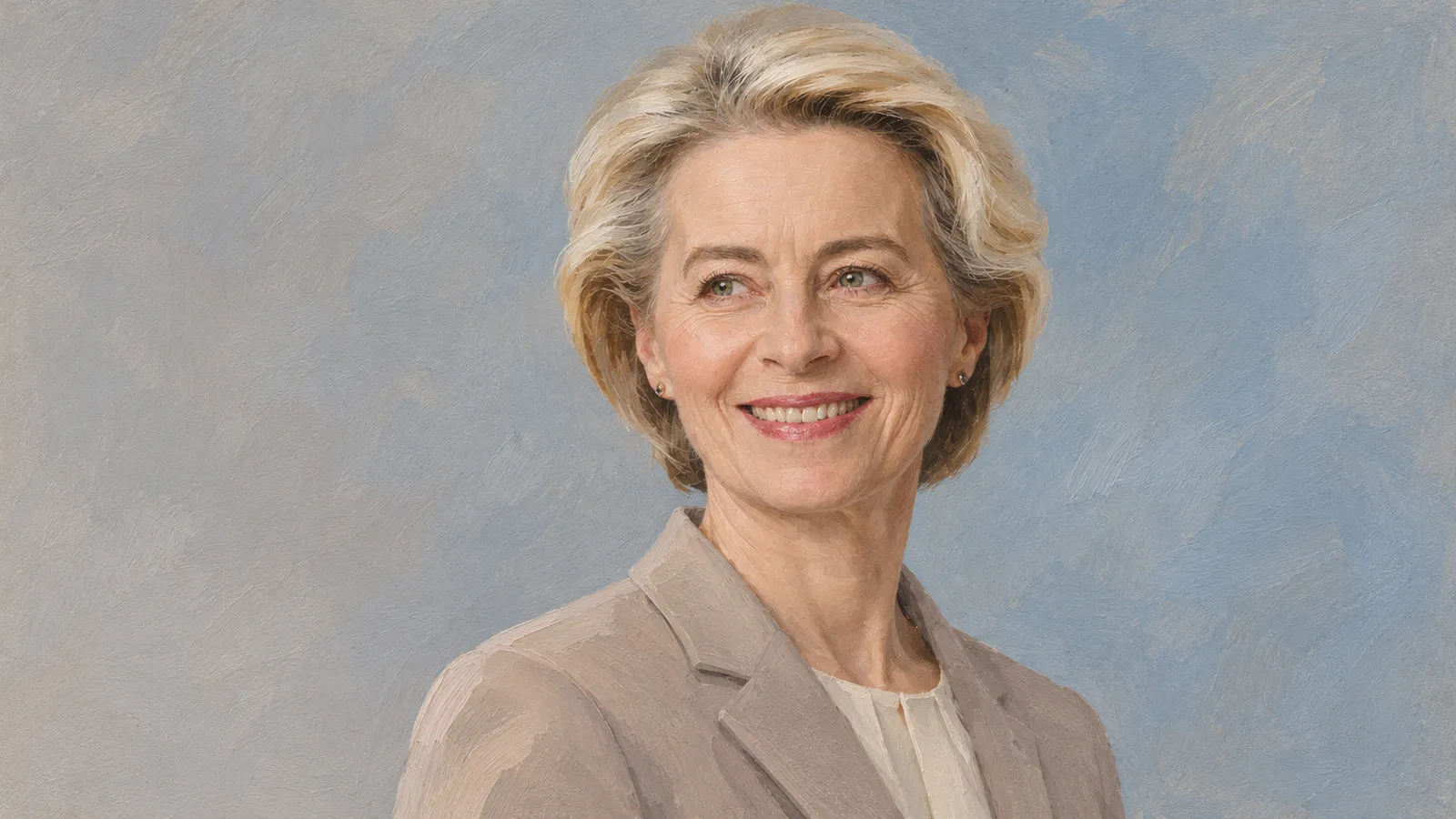
UK Prime Minister Andy Burnham attended the Brussels summit with European Commission President Ursula von der Leyen and European Council President António Costa. Burnham projected that the deals would add 0.5% to UK gross domestic product, a £17 billion boost. Costa said the EU remained open to the closest possible relationship with the UK, but that the single market’s four freedoms—the movement of goods, services, capital and people—could not be separated.
Earlier: UK and EU negotiators agree on three post-Brexit deals

The food, emissions and youth mobility agreements are expected to be signed at the Brussels summit, but EU sources say none can take effect without a settlement on tuition fees for EU students.
The declaration gives the two sides 6 months to work toward a separate tuition agreement. The EU wants its students at UK universities to pay the same rates as domestic students, rather than international fees. The domestic rate is capped at £9,790 for the current academic year, while international fees can be 4 or 5 times higher. Two EU sources told The Guardian the UK had suggested a fee as low as £12,000 for EU students.
The Council of the European Union and the European Commission say the tuition agreement and the three other deals form one package. EU sources told the newspaper that none of the three would take effect without a fee settlement. UK officials said the issues were separate and that the food and agriculture deal would start as planned even without a settlement.
British citizens can visit the Schengen Area without a visa for up to 90 days in any rolling 180-day period. Longer stays in EU member states generally require a visa or residence permit tied to a purpose such as work or study. The Youth Experience Scheme would let British citizens and citizens of participating EU countries who are 18 to 31 when their visa starts work, study, volunteer, travel or work as an au pair without having to choose one purpose in advance.
The UK government says the scheme would offer 100,000 places per side each year, with places in both directions divided among participating EU countries by population. Permits would last 2 years to start, with an option to extend the stay to 3 years. Participants would not be able to bring dependents or receive public benefits under the scheme.
British participants could switch to another participating EU country up to 2 times, after living in a country for at least 12 months before each move. The UK and participating EU countries intend to let participants take a wide range of jobs, but could limit the work they can do.
The two sides aim to apply the youth agreement no later than 2028 and have the first participants travel by January 2030. The declaration also confirms the UK’s planned return in 2027 to Erasmus+, the EU program that supports educational exchanges and traineeships. That program is separate from the new visa scheme and the tuition talks.
The UK government says the food agreement would remove export health and plant-health certificates for covered goods moving between Great Britain and the EU. It would also end animal- and plant-health checks at the border for products such as dairy, fish and meat. Alongside the Windsor Framework, part of the UK’s withdrawal agreement, the deal would remove certificates, routine checks and extra paperwork for the vast majority of food and farm goods, plants and farm machinery moving from Great Britain to Northern Ireland.
The UK and EU would apply the same covered rules as they change, including rules on food and animal feed safety and on animal and plant health. The UK government says it would have an early role in shaping new EU rules in those areas. It plans for the agreement to apply from 1 March 2028, with some areas given extra time to switch.
Von der Leyen said simpler trade would lower costs for businesses and give shoppers more choice and more affordable food. Helen Dickinson, chief executive of the British Retail Consortium, welcomed the deal but said businesses would need time to prepare.
The priority now must be to get the detail right and give businesses at least 18 months, alongside clear and early guidance, to transition to the new arrangements without unnecessary cost or disruption.
The consortium told the Press Association that it did not expect supermarket shelf prices to fall because of the deal, saying other pressures would continue to push prices up.
The UK and EU would keep separate emissions trading systems, but businesses could use allowances issued by either side to meet their obligations in both. Allowances let businesses account for the greenhouse gases they emit. The UK government says the link would also exempt covered goods traded between the two sides from each other’s carbon border charges.
The UK government says it will publish the legal agreement. Both sides are working toward a 1 January 2028 start, which requires legislation in 2027 and changes to the electronic registries that track allowances.
The declaration records an earlier decision giving both sides full access to each other’s waters for fishing until 30 June 2038. Talks will continue on recognizing architects' qualifications on both sides, and von der Leyen said work would continue on UK participation in the EU electricity market. The UK and EU also committed to opening a dialogue on permits that would let artists tour across the bloc.
Burnham said the bill to implement the deals would go to the UK Parliament the week after the Brussels summit. He also said the UK should use the year before the next summit to discuss its longer-term relationship with the EU and consider the options as it looks toward the next Parliament.
4 min