
UN verifies almost 2,000 attacks on education in Ukraine, UNICEF says
UNICEF counts about 270 attacks in 2026. From the start of the 2026–2027 academic year through 20 October, school-time alarms averaged 34 hours, equivalent to more than 13% of scheduled learning; more than 560,000 children in three regions faced over 60 hours, roughly one quarter of scheduled learning. UNICEF says work on shelters and learning support continues.

In this article
UNICEF, the United Nations agency for children, said on 3 November 2026 that the UN had verified almost 2,000 attacks on educational facilities since Russia’s full-scale invasion of Ukraine in 2022, including about 270 in 2026.
The warning followed the November 2 attack on a school and shelter in Komyshuvakha, in Zaporizhzhia region, where residents had gathered for aid. Matthias Schmale, the UN Resident and Humanitarian Coordinator in Ukraine, condemned the attack.
What the school-time figures measure
UNICEF compared the duration of air-raid alarms during school hours with scheduled learning hours, from the start of the 2026–2027 academic year through 20 October.
| Area | Alarm duration | Equivalent share of scheduled learning |
|---|---|---|
| Ukraine average | 34 hours | More than 13% |
| Dnipropetrovsk, Kirovohrad and Kharkiv regions | Over 60 hours | Approximately one quarter |
More than 560,000 children were affected in those three regions. These percentages measure alarm duration, not learning lost or necessarily time without teaching: some children continue learning in sheltered classrooms. The release does not detail how the national average was calculated.
Learning continues underground, with difficulty
Katia, a 15-year-old pupil from Mykolaiv region, said she had returned to in-person school but still spent most of the school day in a shelter because of air raids. She said those conditions made concentrating and learning difficult.
In comments carried by UN News, UNICEF spokesperson Ricardo Pires described meeting children who learned underground because it was unsafe above ground. Some pupils, especially older ones, expressed anxiety and difficulty concentrating even in sheltered classrooms.
Support for teaching and mental health
Maysa Jabout, head of the UN global fund Education Cannot Wait, said the effects of war on children globally had forced the fund to prioritize psychosocial counseling—support to help children cope emotionally. That drew money away from teaching and learning, she said.
UNICEF says it is continuing work with Ukraine’s government and partners to improve school shelters, help children recover learning and provide mental health support so schooling can continue safely.
Latest in this situation
 Conflict
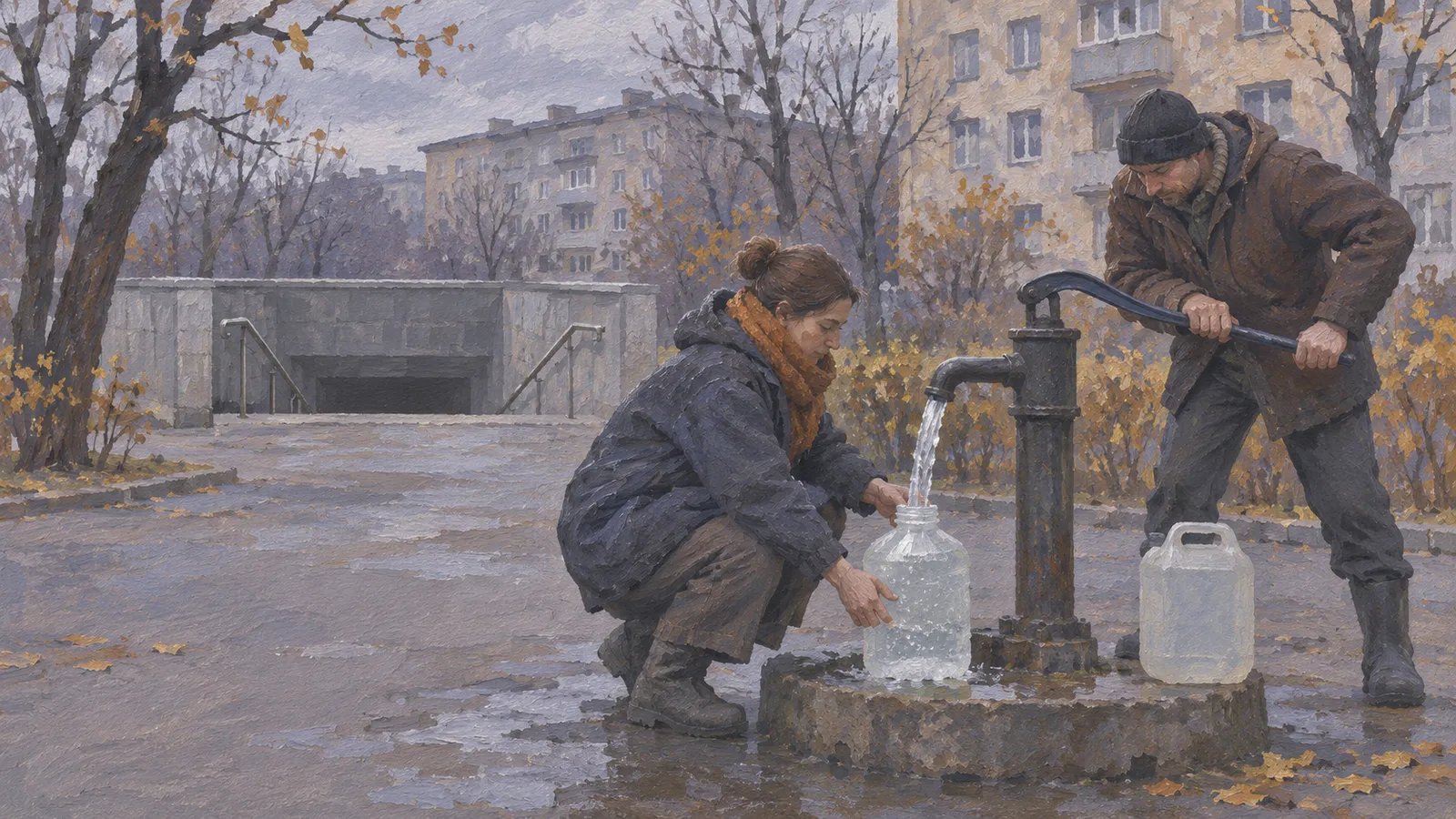
Kyiv loses water, Kyivvodokanal says, as entire metro shuts
Kyivvodokanal said Russian attacks had cut power to its main water facilities on 3 November. The whole metro network was also suspended, while the water supplier and electricity workers worked to restore service.
1 min
 Conflict
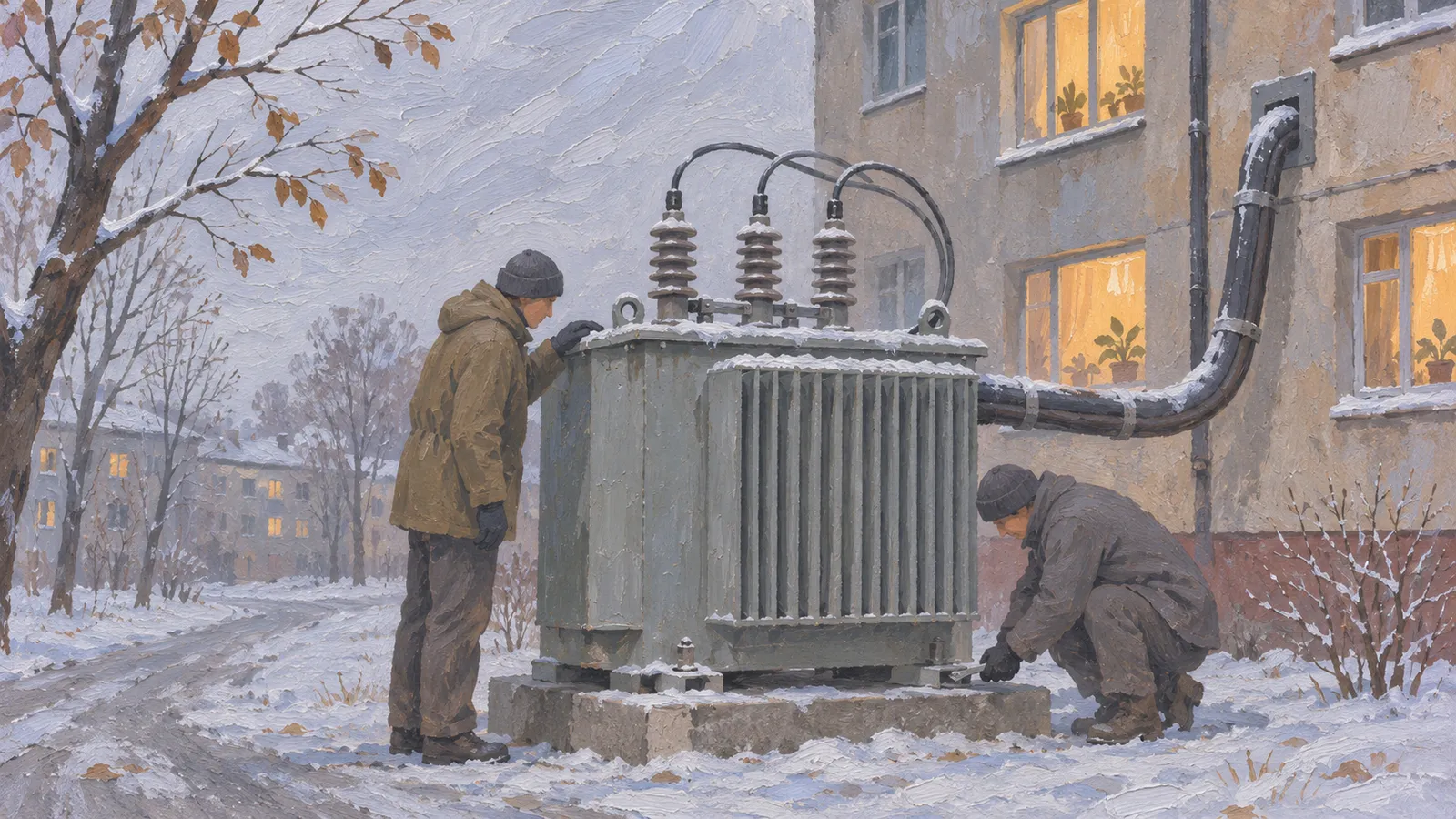
Germany’s Chancellor Merz promises Ukraine air-defense and winter aid
Chancellor Friedrich Merz pledged further energy and winter assistance at a Berlin meeting with President Volodymyr Zelenskyy. The planned winter aid would total €200 million (about $223.7 million), news agency dpa said.
2 min
 Conflict
Crimean cities impose power cuts after strikes, authorities say
Kremlin-installed authorities say Ukrainian attacks forced emergency cuts in at least five cities. In Russia, Yaroslavl Governor Mikhail Yevrayev says a refinery was struck and two workers were injured.
2 min


