
U.S. hemp THC cap delayed to December 11 as businesses face disruption
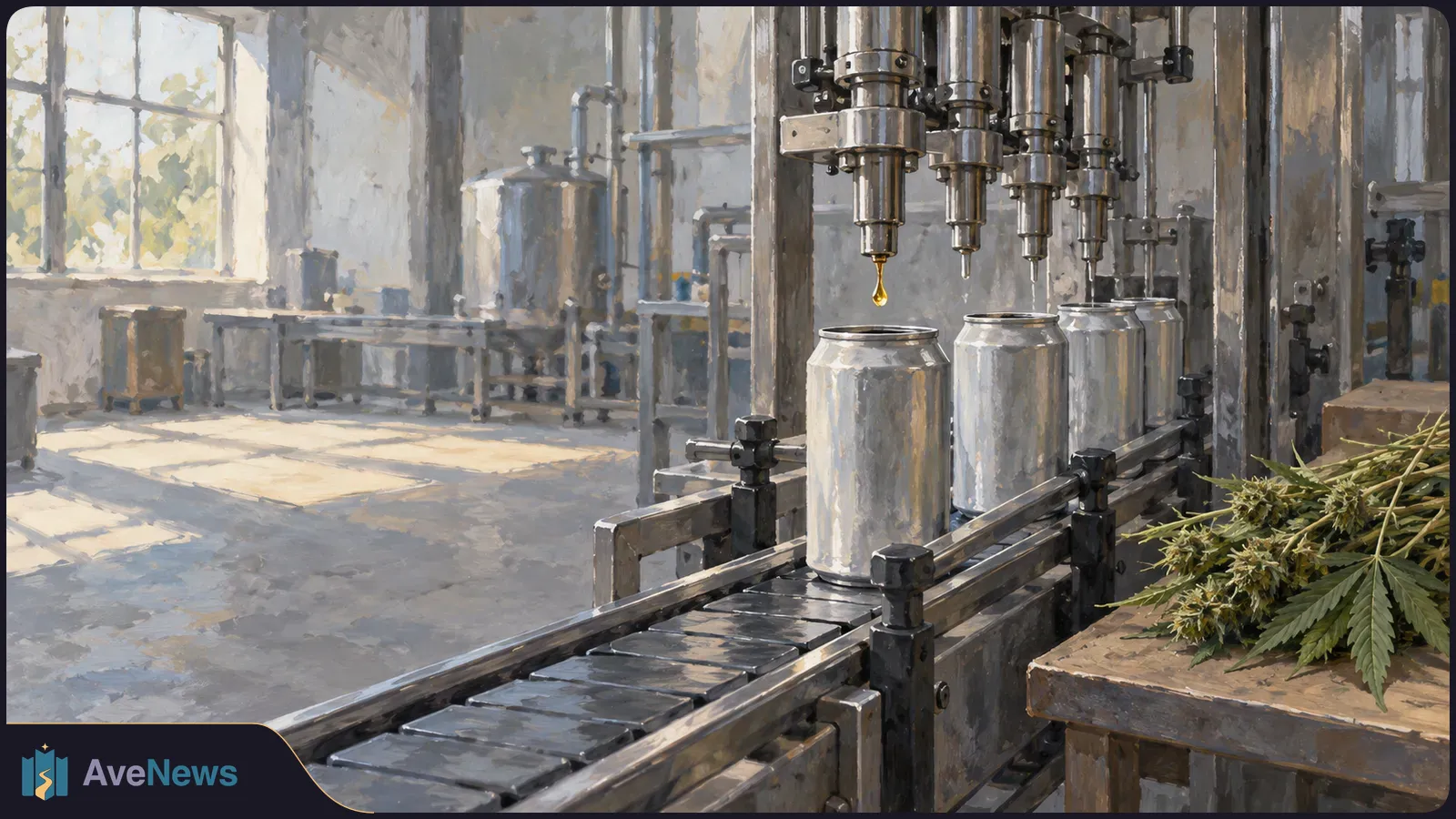
The limit of 0.4 milligrams per container threatens intoxicating hemp products. One beverage maker has already suspended production.
The limit of 0.4 milligrams per container threatens intoxicating hemp products. One beverage maker has already suspended production.
A federal restriction limiting THC in hemp products to 0.4 milligrams per container is now due to take effect on December 11, 2026, rather than November 12. Fortune reported on October 4 that a short-term government-funding bill signed by President Donald Trump in September delayed the restriction, giving Congress more time to consider regulating intoxicating hemp products instead of banning them.
Businesses are already making changes ahead of the deadline. Drinkin’ Buds, a cannabis beverage company in Sheboygan, Wisconsin, has mothballed production. Co-founder Matt Swanson told Fortune he was actively looking for employment.
Hemp and marijuana are the same plant, cannabis. Marijuana is cultivated for high levels of THC, its main intoxicating compound, while low-THC hemp has traditionally been grown for fiber, food and wellness products. Senator Mitch McConnell championed the 2018 farm bill’s legalization of industrial hemp, which defined hemp as containing less than 0.3% delta-9 THC—a particular form of THC—by weight.
That percentage-based definition allowed beverages and snacks to meet the hemp threshold while containing enough THC to intoxicate consumers. The resulting market is distinct from state-regulated legal marijuana: hemp THC products reached places where recreational marijuana was prohibited and competed with heavily taxed, regulated cannabis where it was legal. Dozens of states responded by regulating or banning intoxicating hemp products.
In late 2025, McConnell inserted the new hemp THC restriction into the measure that ended the federal government shutdown. Unlike the earlier percentage threshold, the new rule caps the amount of THC in each container.
Cornbread Hemp’s owners, Eric Zipperle and Jim Higdon, said the 0.4-milligram cap would destroy their Kentucky business. The company has 105 employees, sells hemp beverages in 18 states and expects revenue of $65 million in 2026. Its owners said they would accept a limit such as 5 milligrams to win lawmakers’ support. Their prediction of closure is separate from Drinkin’ Buds’ decision to suspend production.
A September report from Whitney Economics, which studies the market, estimated the following potential effects of the ban:
| Measure | Projected impact |
|---|---|
| Retail revenue reduction | $28.3 billion |
| Jobs displaced | 225,000 |
| Reduction in potential state sales taxes | $2.1 billion |
The industry’s concern extends beyond products used to get high. Jonathan Miller, general counsel of the industry group U.S. Hemp Roundtable, said the cap would also prohibit some non-intoxicating CBD products, including lotions applied to the skin.
The hemp industry is seeking rules that would restrict intoxicating products to buyers aged 21 and older, limit THC per package and ban imported cannabis compounds. These are proposals, not an agreed replacement for the federal cap.
State-regulated marijuana businesses support the ban because they see hemp THC products as unfair competition, Fortune reported. Cory Harris, a lobbyist for state-legal cannabis operators, argued that predictions of the hemp industry’s losses were overstated. He said the ban would end interstate sales of products such as THC seltzers and gummies, but suggested some products could find a place in legal markets within individual states.
Harris also suggested that states such as North Carolina could adopt legal hemp programs. Whether Congress will choose regulation instead of the federal cap remains unresolved as the December 11 effective date approaches.

Nearly all the commercial fleet uses marine diesel. Fishermen also report slower regulatory responses and remain uneasy about trade ties with Canada.
2 min

LinkedIn research described in the feature points to differences in hiring and pay, alongside women’s greater exposure to jobs that SI could disrupt.

IEA global averages favor electric cars and heat pumps, but upfront costs, financing and other barriers complicate the switch.
3 min
2 min
