Loading… Բեռնվում է…
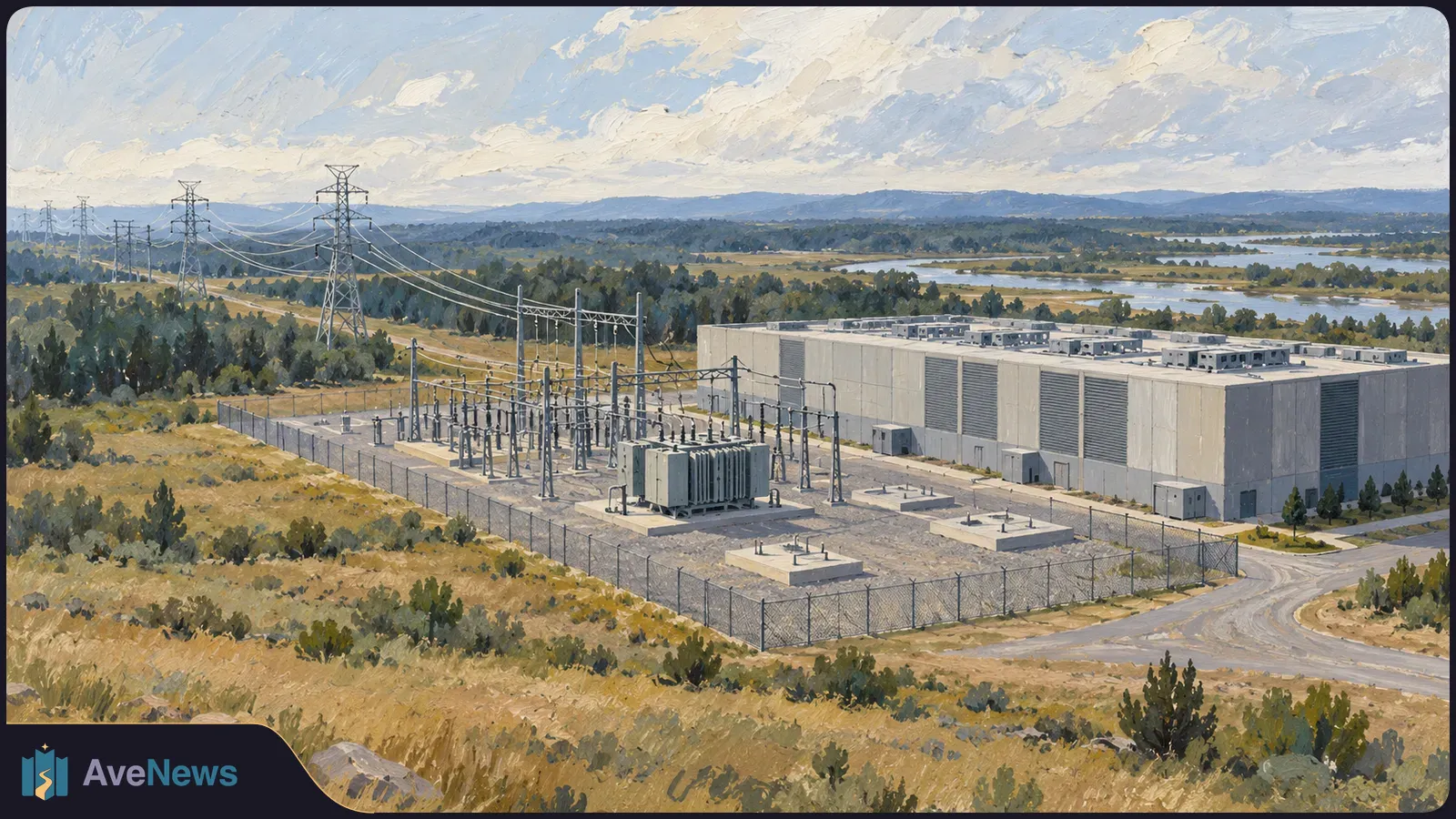
Resources for the Future projects 1.83 gigatons less cumulative power-sector carbon dioxide through 2041 if the bill passes, though emissions grow with or without it. The estimate covers only the bill’s power-sector provisions.
The Bipartisan American Affordability and Jobs Act would reduce cumulative power-sector carbon dioxide emissions by 1.83 gigatons through 2041 compared with a scenario without the bill, research nonprofit Resources for the Future projects. A gigaton is a billion metric tons. Emissions still grow over the study period in both scenarios.
The findings, described in Inside Climate News’s October 29 report, arrive as lawmakers weigh faster approvals for power lines, renewable energy projects and fossil fuel infrastructure. The bill follows long waits to connect new electricity generation to the grid—the network that carries power to customers.
Resources for the Future also projects average annual electricity-system costs 3.5–7 percent below the no-bill baseline through the same period. These are system-wide costs, not a forecast of the same percentage reduction in household bills.
A separate White House Council of Economic Advisers analysis published on 28 October models the effects of shortening environmental impact statement reviews. These statements examine a project’s environmental effects before it can proceed. The council says agencies have taken an average of 4.2 years to complete them; the bill would impose an enforceable two-year deadline.
The council estimates that reducing reviews to that deadline would lower the average household’s electricity bills by $178–251 annually. It also projects additional annual US output of $82 billion to $164 billion in the long run, equivalent to 0.28 percent to 0.56 percent of gross domestic product—the value of goods and services produced. These are conditional model estimates, not savings or economic gains already recorded.

The Resources for the Future analysis covers only the bill’s power-sector provisions. It does not establish the entire bill’s net emissions effect or assess contested changes to laws protecting water, endangered species and historic sites. Report co-author Kevin Rennert acknowledged that limit and said decisions about the bill should draw on a broader set of analyses.
Clean energy supporters see faster power-line approvals as a way to connect more renewable generation. Some environmental groups oppose provisions that would limit state and tribal authority over projects and streamline approvals for fossil fuel infrastructure. The bill would also require data centers using superintelligence (SI) to pay fully for grid upgrades built to serve them while continuing to bear their share of the wider grid’s costs.
The Senate vote plan remains tied to the post-election session. Fortune said on 11 October that votes were unlikely to begin before the November 3 midterm elections. Advancing the legislation past a filibuster—a procedure senators can use to block it—would require 60 Senate votes.
A WIRED investigation found repeated trading after election outcomes were effectively settled, separate from questions about combo-contract counting. Polymarket says it investigated and blocked the accounts.
8 min

Markets covering HSBC, Lloyds and other banks have prompted warnings about incentives to influence outcomes and the difficulty of identifying bettors.
3 min

A $1.75 billion round for the autonomous-vessel developer dominates a nearly $3 billion total that also spans robotics, electric shipping and ocean energy.
3 min



