
Why Verity dropped an ending that cast Lowen as the villain
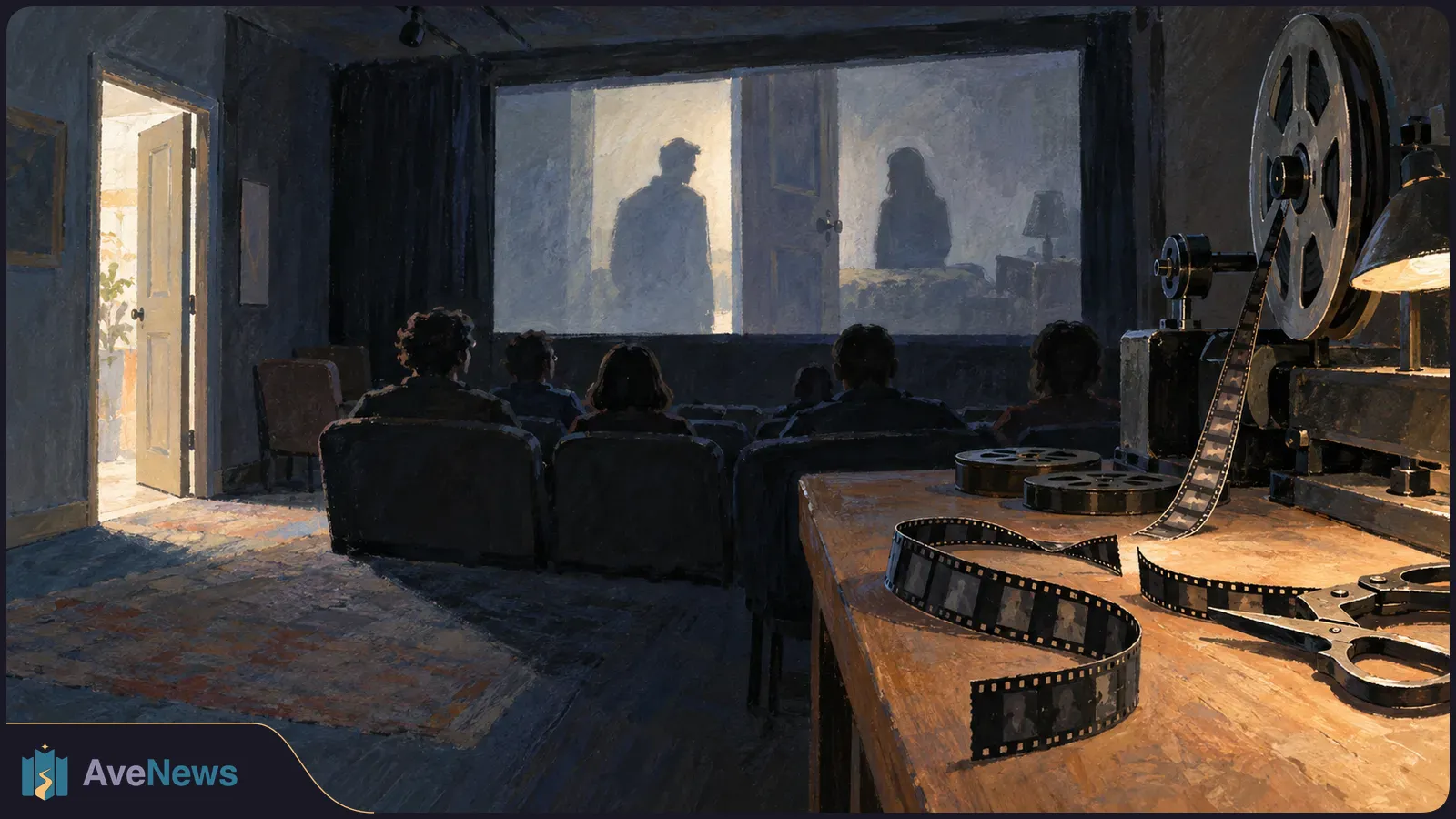
The adaptation of Colleen Hoover’s novel nearly ended with a villain reveal and a survival twist. Director Michael Showalter says test audiences wanted uncertainty instead.
Major spoilers follow for Verity, including its released and discarded endings.
Verity dropped a planned ending that suggested its protagonist, Lowen Ashleigh, was the mastermind because test audiences wanted her to remain uncertain, director Michael Showalter told Variety. His explanation turns on a difference between revealing a villain and leaving the central character as troubled by the truth as the audience.
Adapted from Colleen Hoover’s novel, the thriller follows Lowen, a writer played by Dakota Johnson. Jeremy, played by Josh Hartnett, hires her to ghostwrite the final book in his wife Verity’s series. Verity, played by Anne Hathaway, appears unable to speak or move after an accident.
Lowen discovers a manuscript in which Verity describes deliberately capsizing a kayak, killing her daughter while her son survives. Lowen grows to hate Verity and falls for Jeremy. When Lowen and Jeremy discover that Verity has been pretending to be paralyzed and unable to speak, Jeremy chokes her to death at Lowen’s urging. They dump her body in the lake.
Six months later, a pregnant Lowen finds a letter that challenges the manuscript’s meaning. The letter claims it was a writing exercise in which Verity imagined the darkest version of herself. It also says Jeremy tried to kill her after finding it, and that she feigned paralysis as penance and to stay close to him and their surviving child.
The released film ends with Lowen and Jeremy driving away together. Lowen reflects on the conflicting accounts and concludes that the truth about Verity will remain a mystery. Showalter largely kept the novel’s ending, but that was not the conclusion the filmmakers originally planned.
In the discarded version Showalter described, Lowen says she does not know whom to believe but calls Verity a master manipulator. She then puts on sunglasses, leans back with a self-satisfied expression and moves her hand through the air outside the car window. Showalter said the gesture was meant to suggest that Lowen herself was the master villain.
The film would then cut back to Verity sinking into the lake. Her eyes would open, revealing that she was still alive. Showalter said the filmmakers tried many versions of these twists and had expected to use that ending, but could not make it work as intended.
Analysis
According to Showalter’s account, he and the studio held test screenings with people who had read the novel and people who had not. The filmmakers interpreted recurring feedback as a wish for Lowen to remain uncertain. Showalter said the sunglasses made her seem no longer to care, while viewers still wanted her questioning what she had done.
We realized the audience is Lowen and the audience wasn’t ready to put those glasses on.
Showalter’s comments do not specify audience numbers or how feedback was collected. His explanation describes the filmmakers’ interpretation of those screenings, rather than establishing how audiences more broadly would respond.
The narrative tradeoff is concrete: the discarded ending offered two revelations—Lowen as the apparent villain and Verity as a survivor. The released ending gives up those twists to keep Lowen unsure which account to believe. Hoover told Variety that this preserved the feelings readers leave the book with, which was what she had hoped the adaptation would achieve.
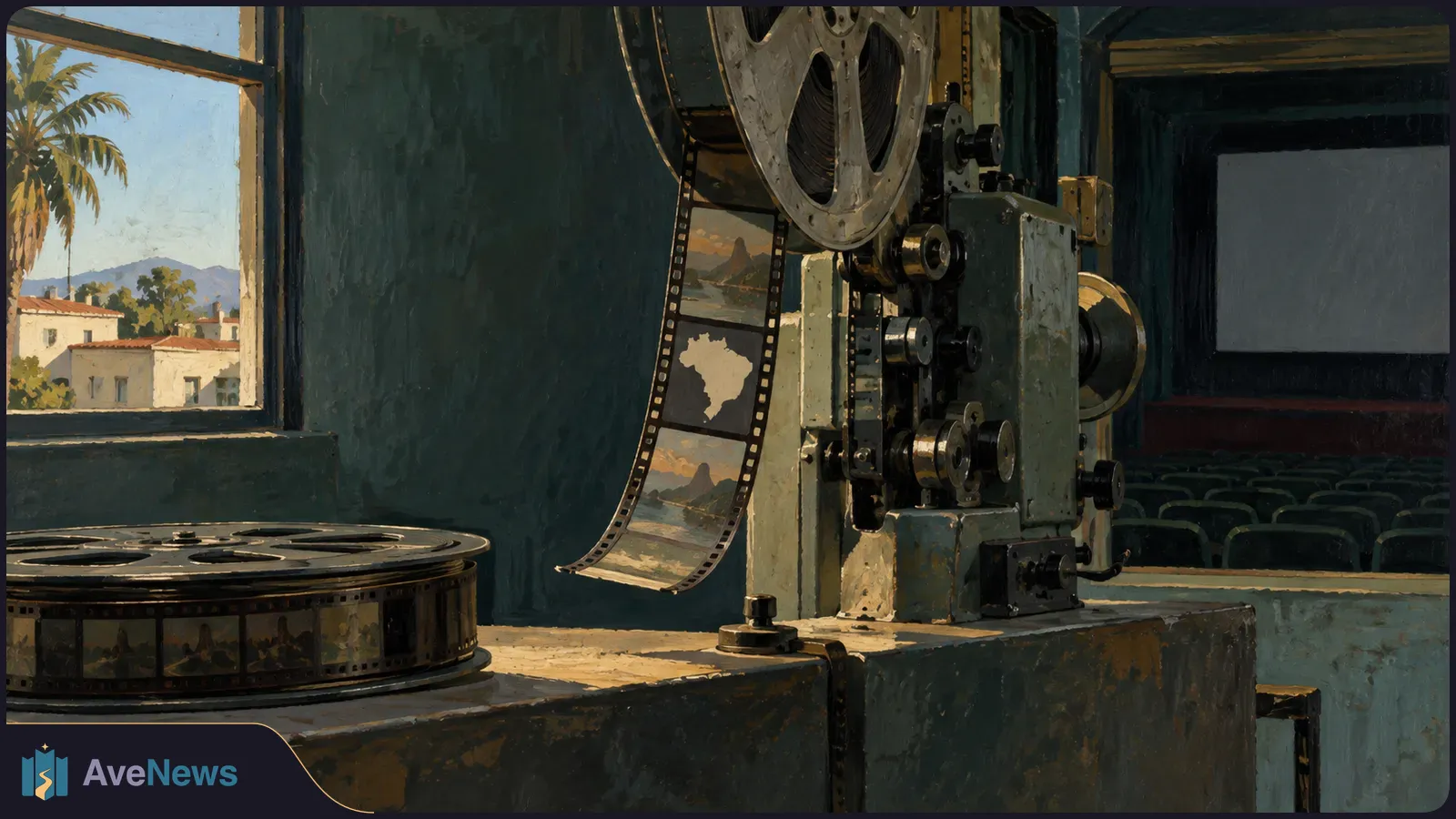
The Los Angeles showcase traditionally opens with Brazil’s international Oscar entry. Organizers say preparations for a 2027 return will continue.
1 min
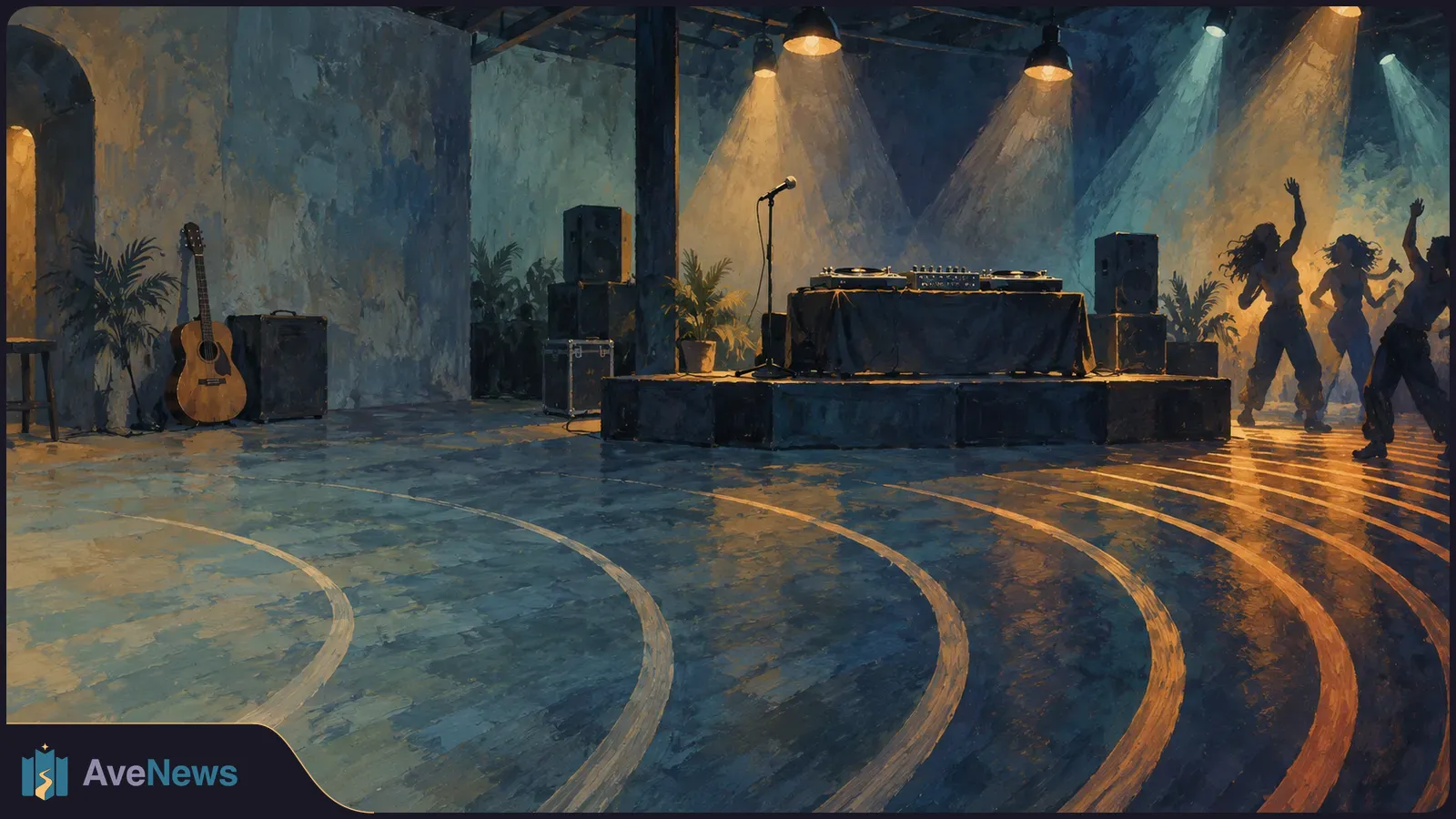
The German producer’s October 30 EP follows her more downtempo debut, while her tour combines singing, dancers and DJ sets.
3 min
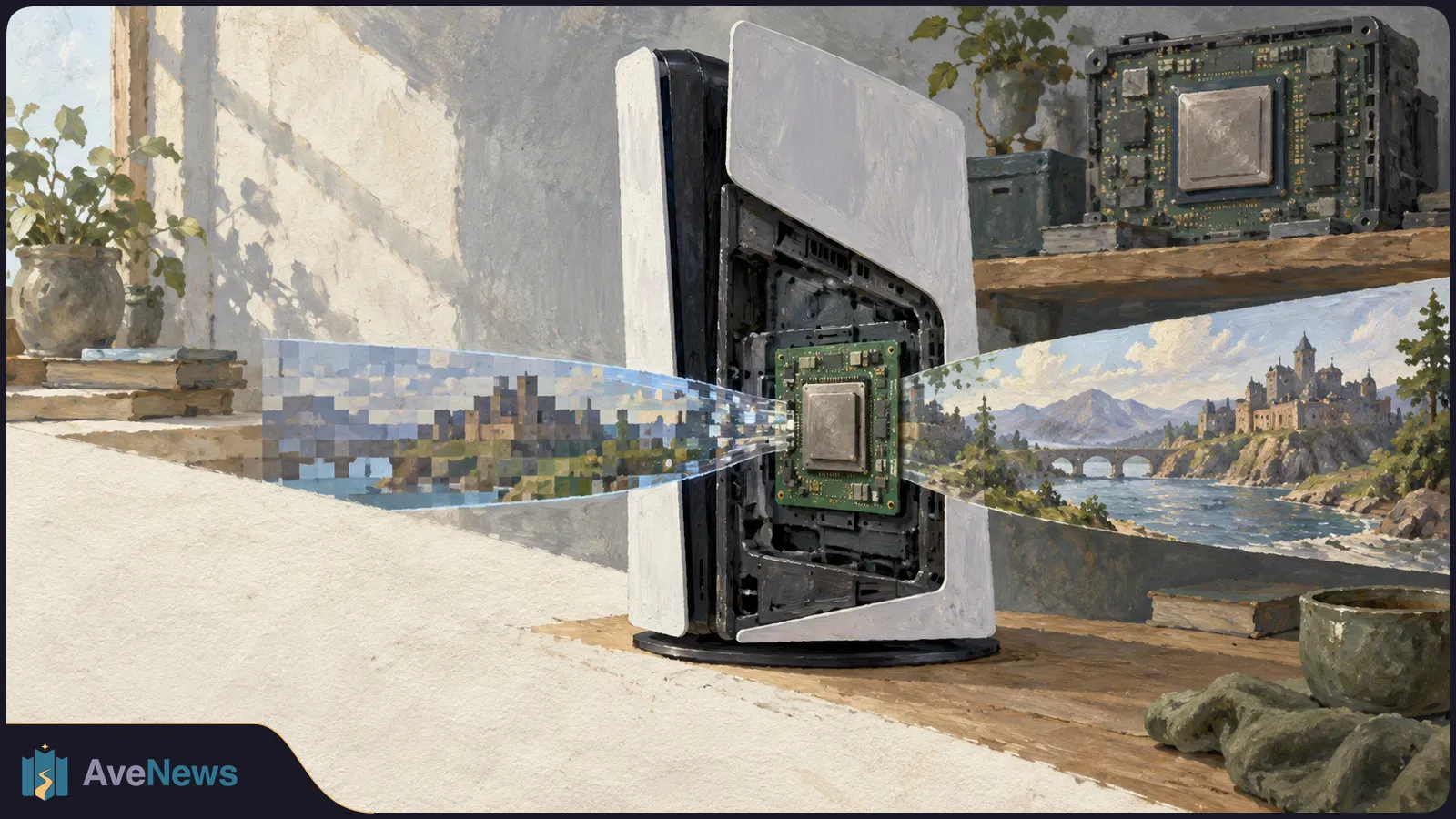
QSSR is now available in Wolverine and Ghost of Yōtei. Digital Foundry found smaller gains in Ghost of Yōtei and a substantial gap versus PS5 Pro’s PSSR.
3 min
