
Warlock attackers exploit SharePoint to deploy ransomware
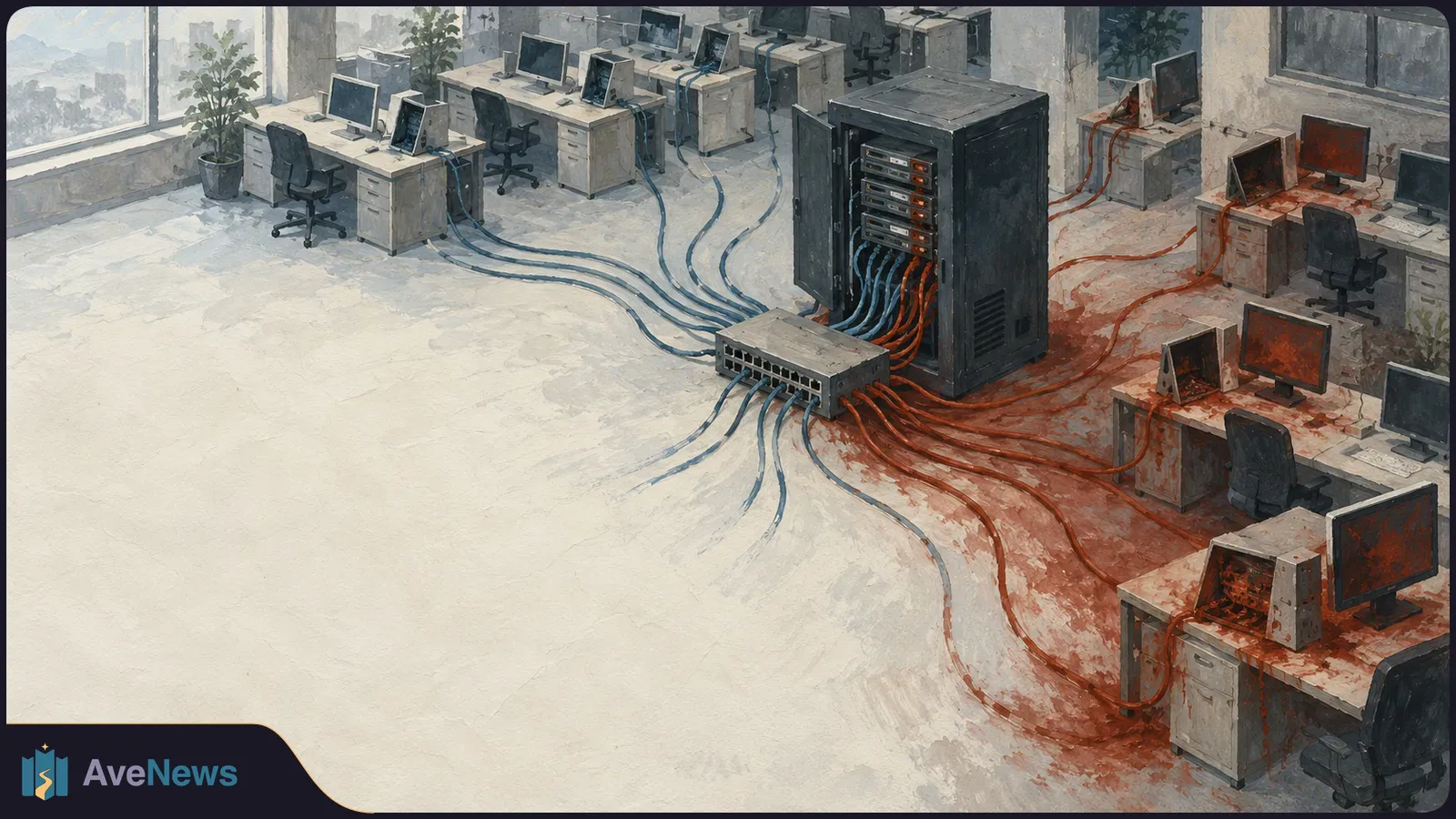
Researchers described how attackers disabled security software and used shared network infrastructure to spread ransomware beyond an initial breach.
Researchers described how attackers disabled security software and used shared network infrastructure to spread ransomware beyond an initial breach.
Warlock attackers exploited SharePoint vulnerabilities to enter a water utility, a telecom provider, a regional government body and a university, according to BleepingComputer’s October 2 report on findings from Symantec and Carbon Black. The investigation described how an initial foothold could lead to wider deployment of ransomware—malware used to extort payment.
In one investigated intrusion that began on July 22, attackers disabled protection software across dozens of computers within about two hours. The final stage occurred on July 31, when researchers observed Warlock ransomware appearing almost as soon as protection was disabled on each affected computer.
| Action | Computers affected |
|---|---|
| Protection software disabled | At least 40 |
| Warlock ransomware launched | At least 33 |
The researchers said attackers typically gained access through on-premises SharePoint deployments: systems hosted on an organization’s own servers. They then installed a web shell, a program that lets an attacker control a compromised server remotely. The web shell was designed to work across multiple SharePoint versions.
In some attacks attributed to the actor, researchers found a tool that disabled antivirus and endpoint detection and response software, which monitors computers for threats. The attackers used a signed but vulnerable K7RKScan driver—a software component with privileged access to the system. This technique, called “bring your own vulnerable driver,” exploits a driver’s flaws to undermine security protections.
The attackers placed the ransomware in the domain’s SYSVOL share, a location that stores public files and copies them across domain controllers—the servers that manage network accounts and access. Researchers described this as a known way to distribute malware for execution across a network through login scripts or Group Policy, which centrally manages computer settings, rather than handling each computer separately.
The investigated attack also used Visual Studio Code Insiders as a background service. Its built-in tunneling feature provided remote connections to compromised computers, giving the attackers another way to reach those systems.
Symantec tracks the actor as Longlegs and attributes the development of Warlock ransomware to that group. BleepingComputer describes Warlock as China-linked. These are reported attributions, not an identification of the individual operators.
Warlock emerged in June 2025 and gained attention the following month for exploiting ToolShell, the name given to a chain of SharePoint vulnerabilities. The researchers warned that ToolShell and other SharePoint flaws remained viable entry routes more than a year later.
Analysis
The investigated intrusion illustrates why protecting the initial server is only part of the problem: attackers also disabled security tools and used shared administrative infrastructure to prepare wider deployment. The researchers’ report includes indicators of compromise—file and infrastructure details that defenders can check for signs of these attacks.
It is not yet clear which SharePoint versions remain affected, what current patch guidance applies to these attacks, or how much damage the attacks caused at the targeted organizations. The reported targeting of the water utility and telecom provider does not establish that water or telecom services were disrupted.

Ars Technica reports that a shipment worth more than $22 million was presented as Malaysia-bound, with paperwork naming the supposed buyer’s CEO as “Jackie Lui.”
4 min
Its CFO described routing simpler tasks to basic or open-source models and measuring engineering teams on combined human and SI costs.

Scientific director Steinn Sigurðsson says volunteer moderators check about 1,000 manuscripts a day, with legitimate papers delayed before posting.
2 min
