
Webb finds evidence of heavy-element outflows from three early galaxies
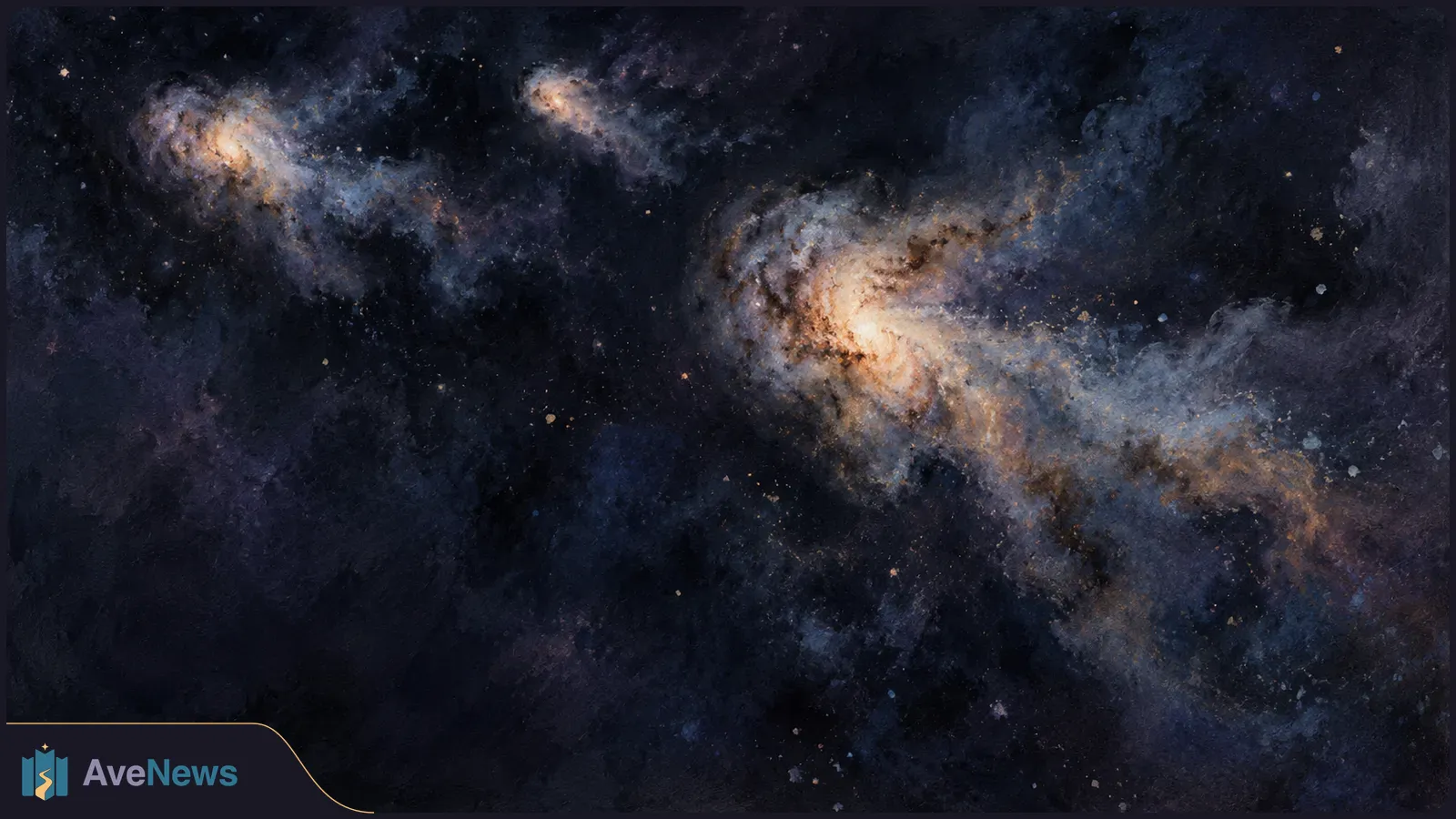
The galaxies appear as they were about 500 million years after the Big Bang, suggesting that stars’ chemical products were already spreading into surrounding space.
The galaxies appear as they were about 500 million years after the Big Bang, suggesting that stars’ chemical products were already spreading into surrounding space.
Three galaxies observed as they appeared roughly 500 million years after the Big Bang show evidence of gas carrying heavy elements outward into surrounding space. ScienceDaily reported on October 2 that the University of Arizona-led study, published in Nature Astronomy, used observations from NASA’s James Webb Space Telescope.
Astronomers had generally expected much of the gas around such young galaxies to remain nearly pristine: mostly hydrogen and helium, with little of the heavier elements made by stars. The researchers interpret the finding as evidence that some early galaxies were already producing those elements and spreading them beyond their boundaries.
First author Yongda Zhu manually examined publicly available Webb spectra from hundreds of galaxies. A spectrum separates light by wavelength, allowing astronomers to look for the patterns left by particular elements. Zhu identified three galaxies with absorption signatures indicating carbon, oxygen and silicon. Nearly 30 hours of exposure collected enough light to identify the extremely faint features.
The team used the galaxies themselves as background light sources. As their light passed through surrounding gas on its way to Earth, the gas absorbed particular wavelengths. Those absorption patterns allowed the researchers to identify the elements in the gas.
The absorption lines also revealed motion. Relative to the galaxies’ own redshifts—the displacement of their light toward longer wavelengths—the lines were shifted toward shorter wavelengths, a difference called a blueshift. For gas lying between the galaxies and Earth, that relative shift supported the researchers’ interpretation that the gas was moving outward, carrying heavy elements away from the galaxies.
The early universe contained little besides hydrogen and helium. Nuclear reactions inside stars produced heavier elements such as carbon and oxygen. Dying stars, including those that exploded as supernovae, then released those elements into space, where the material could become part of later generations of stars and planets.
The question was how quickly those elements escaped the first galaxies. These observations place evidence of that escape about 500 million years after the Big Bang. The researchers say the chemical signatures around the three young galaxies resembled those around much more mature galaxies billions of years later.
Analysis
Zhu suggested that the escaping elements could supply material to other galaxies. ScienceDaily also described a possible implication for Population III stars: the hypothetical first generation of stars, thought to have formed from pristine hydrogen-and-helium gas. If heavy elements spread quickly, that pristine gas could have become scarce, leaving those stars common for only a short period and making them harder to observe.
Those possibilities go beyond the detected outflows. The observations do not demonstrate that the material reached another galaxy or establish how long Population III stars remained common. How representative these three galaxies were of the wider early population remains unclear.

The proposal would affect about 70% of CTIS functionality, requiring investment in the current system alongside plans for a new platform.
2 min
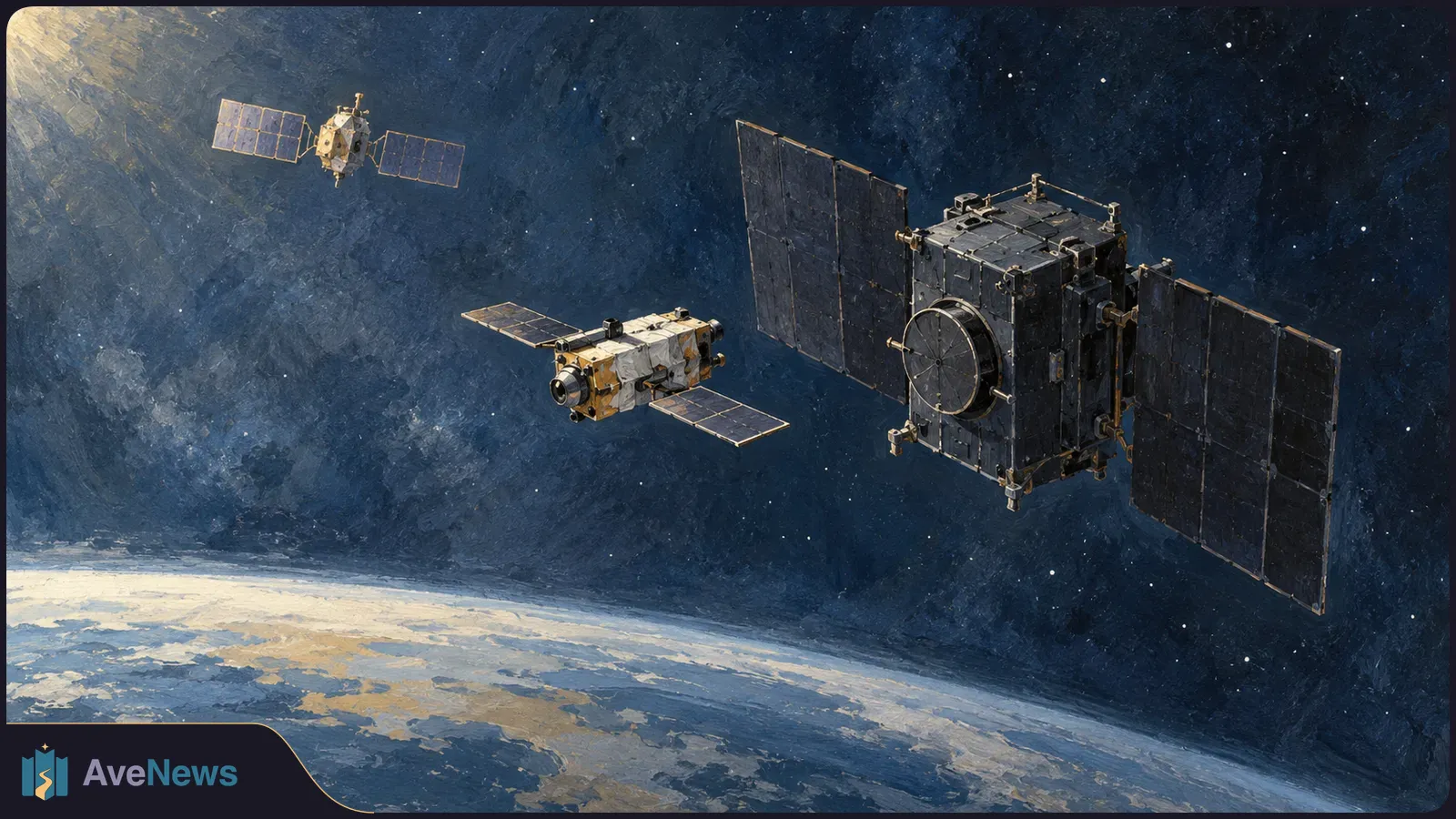
NASA says Otter will begin inspecting up to four inactive objects in early 2027, testing navigation and propulsion without docking or removing debris.
3 min

The one-time payments are automatic, but customers of state-run insurance exchanges are excluded even if they paid full price.
2 min