
Most young Yosemite toads surveyed had fungus after first winter
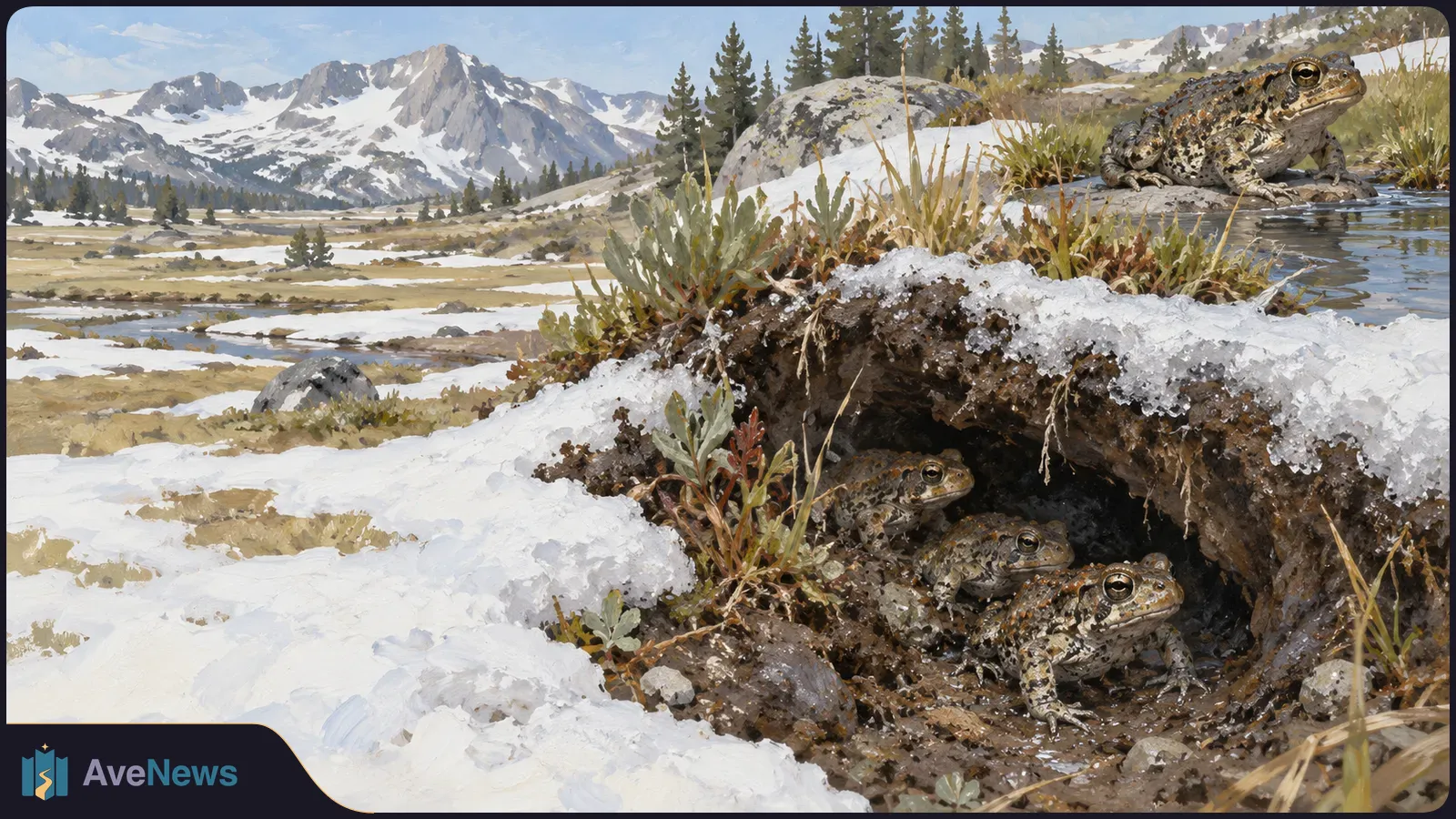
The waterborne fungus was more common in juveniles after winter underground than in breeding adults. A conservation program now prioritizes releasing mature toads.
More than 90% of young Yosemite toads surveyed after their first winter underground tested positive for a potentially lethal fungus, compared with roughly 23% before winter. Researchers reported the findings September 23 in Functional Ecology, according to Science News.
The findings have already influenced conservation work. Science News reports that a San Francisco Zoo–U.S. National Park Service program to rebuild Yosemite toad populations now focuses on releasing mature toads that are past their first years of vulnerability to the fungus.
Researchers captured toads of different ages in Yosemite National Park and swabbed their skin to test for the chytrid fungus Batrachochytrium dendrobatidis, known as Bd. The surveys included juveniles before they entered their winter burrows and after they emerged in spring, when some infections were severe.
| Group | Share testing positive |
|---|---|
| Juveniles before their first winter | Roughly 23% on average |
| Juveniles after their first winter | More than 90% |
| Breeding adults | Less than half |
Bd typically spreads through water, making the high share of infected juveniles after winter underground unexpected. Yosemite toads live in California’s Sierra Nevada mountains and spend most of their time on dry land. Adults breed in shallow pools, but the toads spend roughly half the year underground in brumation—a hibernation-like state for amphibians and reptiles.

The Trump administration seeks to lift the temporary halt during its appeal, while Texas landowners resist access for surveys and construction.
The fungus attacks amphibians’ skin, preventing fluids and electrolytes—dissolved salts needed for normal body function—from entering the body, and often leads to heart failure. The disease is one reason Yosemite toads are listed as threatened under the U.S. Endangered Species Act.
The percentages describe positive skin-swab tests, not deaths, and do not by themselves establish transmission underground. The number of toads tested is not specified.
David Daversa, a UCLA ecologist involved in the research, says juveniles may enter burrows with infections too small to detect that then grow over winter. Another possibility is that Bd spreads when multiple toads share burrows. Whether other amphibians that spend winter in brumation face similar risks also remains unknown.
6 min

The New Jersey county seeks compensation for flooding and other climate impacts, while a forthcoming Supreme Court case could limit similar lawsuits.
2 min

Actors tested 73 facilities, mostly in New York City. A passing result did not require meeting the one-minute masking or ten-minute isolation goals.
2 min
Corrected spelling and punctuation in the Armenian text.
