
How arm position can distort a blood-pressure reading
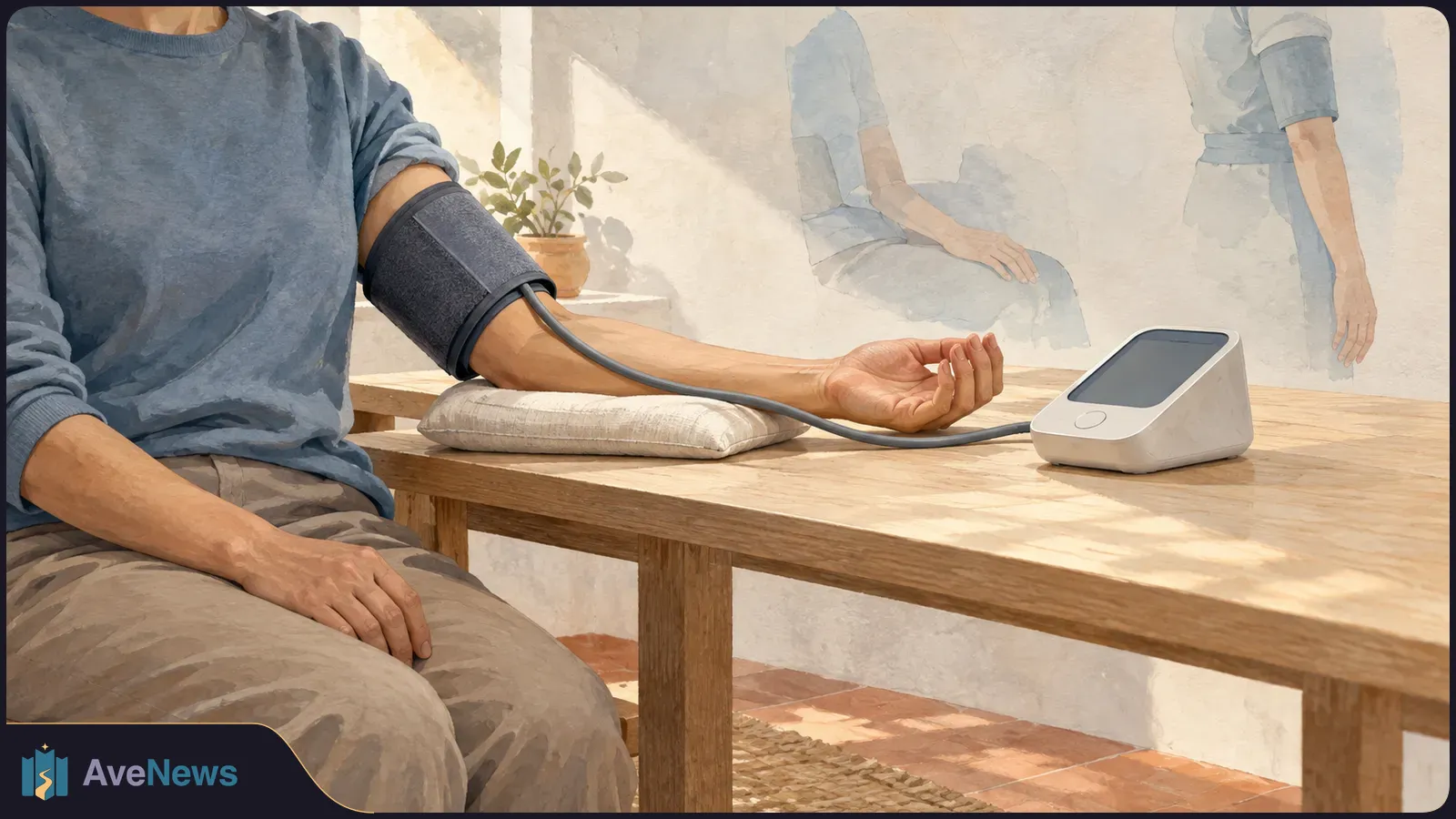
A study of 133 adults found higher readings when the arm rested on the lap or hung unsupported. Proper support and cuff height matter, especially near a diagnostic cutoff.
Resting an arm on the lap or leaving it hanging unsupported at the side can make an automated blood-pressure reading too high. A Johns Hopkins Medicine-led study of 133 adults found that these positions raised systolic readings by 3.9 mmHg and 6.5 mmHg, respectively, compared with supporting the arm on a desk, according to ScienceDaily’s account of the research.
Systolic pressure is the top number in a blood-pressure reading: the pressure when the heart pumps blood. Diastolic pressure, the bottom number, is the pressure in the arteries between heartbeats. Both are measured in millimetres of mercury, abbreviated mmHg. Lap support also raised diastolic readings by 4.0 mmHg; leaving the arm unsupported at the side raised them by 4.4 mmHg.
Near a diagnostic cutoff, an overestimate can change how a reading is classified. Study author Sherry Liu illustrated the concern with a systolic reading of roughly 133 mmHg that could appear as 140 mmHg with an unsupported arm. She described 140 mmHg as stage 2 hypertension, or high blood pressure. Incorrect diagnosis is a potential consequence of the measurement error, not an observed outcome reported for the study participants.
Accurate screening matters because high blood pressure often causes few or no noticeable symptoms. If untreated, it can increase the risk of heart attack, stroke and other serious cardiovascular problems.
The findings reinforce existing measurement recommendations rather than introduce a new procedure. American Heart Association guidance, as described in the report, calls for the arm to rest firmly on a desk, table or another surface, with the middle of the cuff at mid-heart level. Resting the arm on the lap is not the recommended position, even though the lap provides support.

Other steps include choosing a cuff that fits the upper arm, supporting the back, keeping the feet flat on the floor and leaving the legs uncrossed. The researchers said clinical checks often depart from the recommended arm position—for example, when a patient sits on an examination table with little or no arm support.
The study, published in JAMA Internal Medicine, included adults aged 18–80. Each participant tried all three seated arm positions, with the testing order assigned at random. This design allowed the researchers to compare different positions in the same people rather than compare separate groups.
Researchers used appropriately sized upper-arm cuffs and took three readings in each position. Participants rested seated for five minutes before each set, with their backs and feet supported, and did not talk or use their phones during measurement. An extra set with desk support helped account for normal variation between readings.
All measurements used a digital blood-pressure device during a single visit. The investigators cautioned that the findings may apply only to automated devices and may not extend to other equipment. Within that limit, the practical finding is clear: arm support and cuff height are important parts of obtaining an accurate reading.
Saturn’s opposition offers much of the night for viewing. Later in October, moonlight will obscure some Orionid meteors, and the Moon will pass near the Seven Sisters star cluster.
2 min

An adjacent shop would keep engine assembly and testing together at the planned London site. The company also expects about 40 skilled jobs in the next 18 months.
3 min
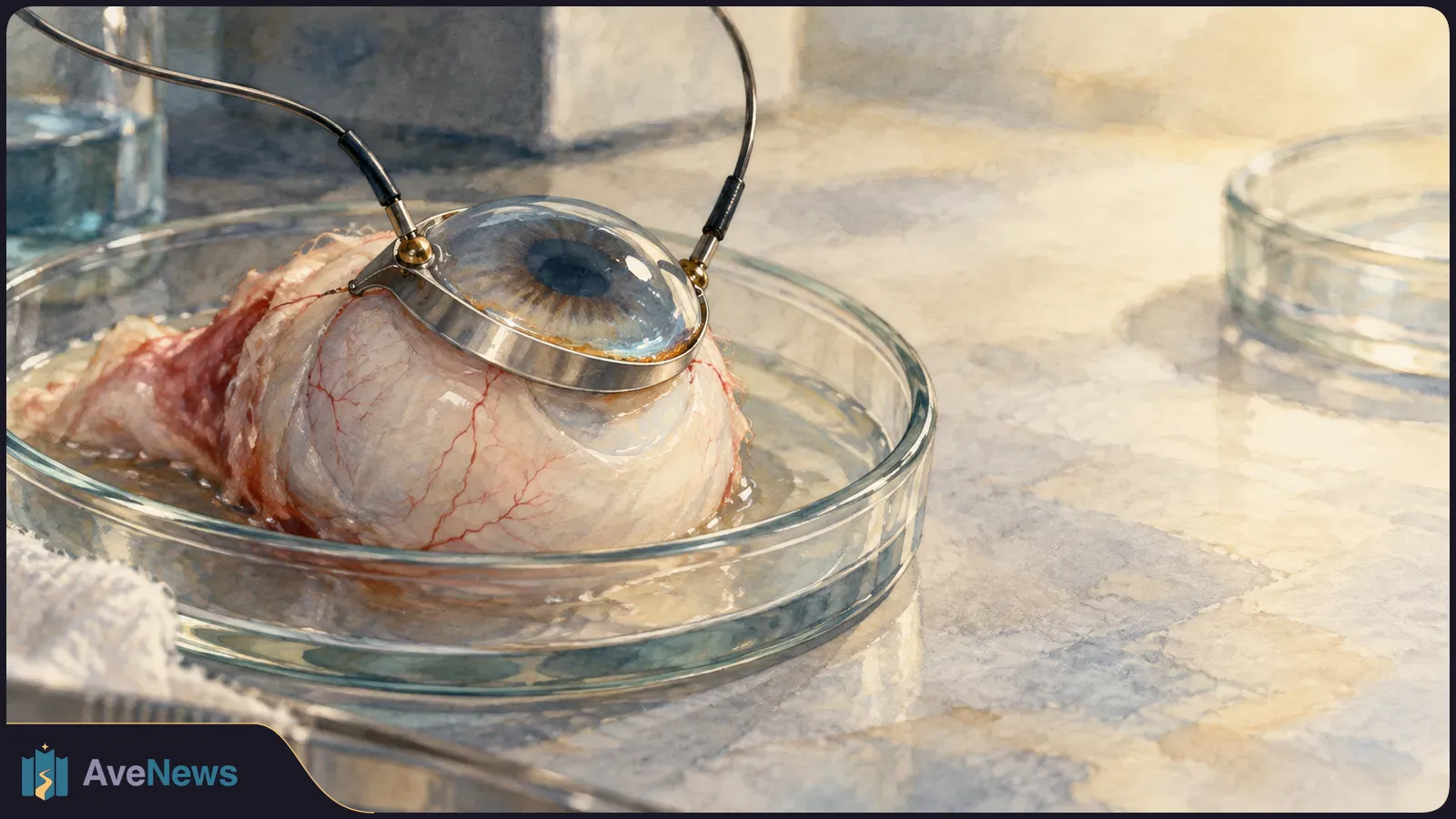
Ten eyes modeled as nearsighted reached the intended focusing power. The tissue experiment did not demonstrate restored vision or establish safety and lasting correction in living eyes.
3 min