Loading… Բեռնվում է…
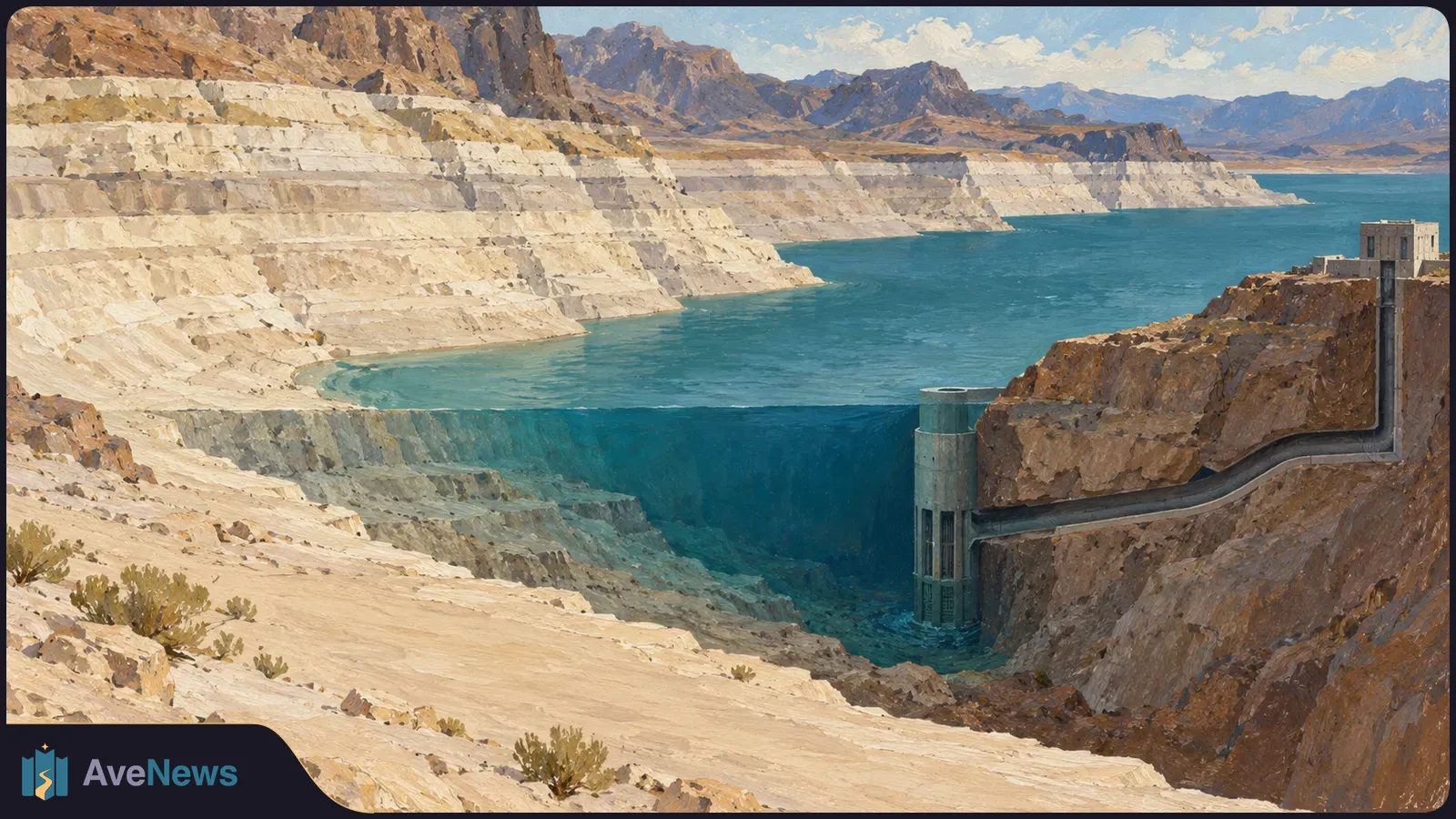
Las Vegas is already drawing water through a deeper reservoir intake, while Phoenix is building a facility to turn used water into drinking water.
The US federal government has finalized a plan requiring Arizona, Nevada and California to reduce their combined annual Colorado River water use by about 1.25 million acre-feet beginning in 2027. Arizona’s Department of Water Resources filed a motion on 16 October to join Nevada’s lawsuit challenging the plan, while preparations for its initial two-year cuts continue.
The plan follows years of failed negotiations among the seven states that rely on the river, as the Guardian reported on 1 October. Arizona has the river’s most junior water rights—rights with the lowest priority—and faces the largest initial reduction. An acre-foot is the volume needed to cover one acre with water one foot deep, roughly 326,000 gallons.
Arizona seeks to join Nevada’s case against the US Department of the Interior and Bureau of Reclamation. The states allege that the federal framework unfairly places the burden of reductions on the Lower Basin: Arizona, California and Nevada. Arizona’s filing asks to join the challenge; it does not suspend the plan.
The framework covers 10 years beginning in 2027, with operations able to change every two years as river conditions change. Its first two years of cuts are based on a proposal submitted by the three Lower Basin states.
| State | Reduction in acre-feet |
|---|---|
| Arizona | 760,000 |
Tom Buschatzke, identified in the 16 October report as Arizona’s water resources director, said the states are still working to implement those cuts. The lawsuit proceeds separately to address operations after the first two years. The federal plan outlines potential later Lower Basin cuts totaling up to 3 million acre-feet—more than twice the initial reductions, not the amount being implemented for the first two years.
Buschatzke alleged that the framework fails to deliver water owed to Arizona and other Lower Basin states under the “Law of the River,” the rules and regulations governing Colorado River use. He also warned that it “could effectively dry up the Central Arizona Project,” the canal system supplying Phoenix, Tucson and other communities. These are Arizona’s allegations and his assessment of a potential risk, not court findings.
Buschatzke said Arizona had left more than 5.5 million acre-feet of water in Lake Mead since 2014 to help stabilize the system. He argued that the federal decision nevertheless places the entire burden of further sacrifice on three states.
The Lower Basin consumes most of the river’s water. The Upper Basin states—Colorado, Wyoming, Utah and New Mexico—face no mandatory cuts under the plan and argue that they do not yet use their full allocations. California has also argued that a long-term solution must involve all seven states.
The Colorado River supplies between 35 million and 40 million people across seven Western states and 30 tribes, according to the 16 October Inside Climate News report. The Guardian’s 1 October account reported that it irrigates more than 5 million acres of farmland and supports hydroelectric power generation. During the 26-year megadrought that began in 2000, the river lost 20% of its flow.
On 1 October, the Guardian reported Lake Mead at less than 27% of capacity and its lowest level since it was filled nearly 90 years ago. Lake Powell was also at a historic low. The reservoirs store water for dry years, but prolonged drought has depleted that reserve.
The winter of 2025–26 produced record-low snowpack in the Rocky Mountains, leaving less meltwater to feed the river, the Guardian reported. Its account also cited Climate Central’s finding that extreme heat has become a major driver of the drought since 2000: hotter conditions dry soils and plants, so more rain and snowmelt is absorbed by the landscape or evaporates before reaching rivers.
| City | Water source | Share of city supply |
|---|---|---|
| Las Vegas | Lake Mead | More than 90% |
| Phoenix | Colorado River | About 40% |
Southern Nevada’s deeper “third intake”—the pipe system that draws water from Lake Mead—is already operating, the Guardian reported. The Southern Nevada Water Authority spent $1.3 billion on an intake nearly 200 feet deeper in the reservoir and a pumping station designed for low lake levels. Authority official Colby Pellegrino told the Guardian that the original intake, built in 1970, can no longer operate because the lake has fallen too far.
Phoenix receives Colorado River water through the Central Arizona Project, a 330-mile canal system serving the city and other Arizona communities. Max Wilson, identified in the 1 October account as Phoenix’s water resources management adviser, projected about 50% less water flowing through the canal in 2027. His canal-flow projection is separate from the mandated reduction in the three states’ combined annual use.
Phoenix is building a purification facility on its northern edge to clean water already used in homes and businesses to drinking-water standards. The Guardian reported that the facility is expected to open in 2027 and produce nearly 7 million gallons of recycled water a day; that is planned output, not current production. Phoenix plans three such facilities to reduce its dependence on the Colorado River.

The observed quantum behavior persisted to about 100 kelvin. Researchers are exploring memory uses, but room-temperature operation remains unestablished.
2 min
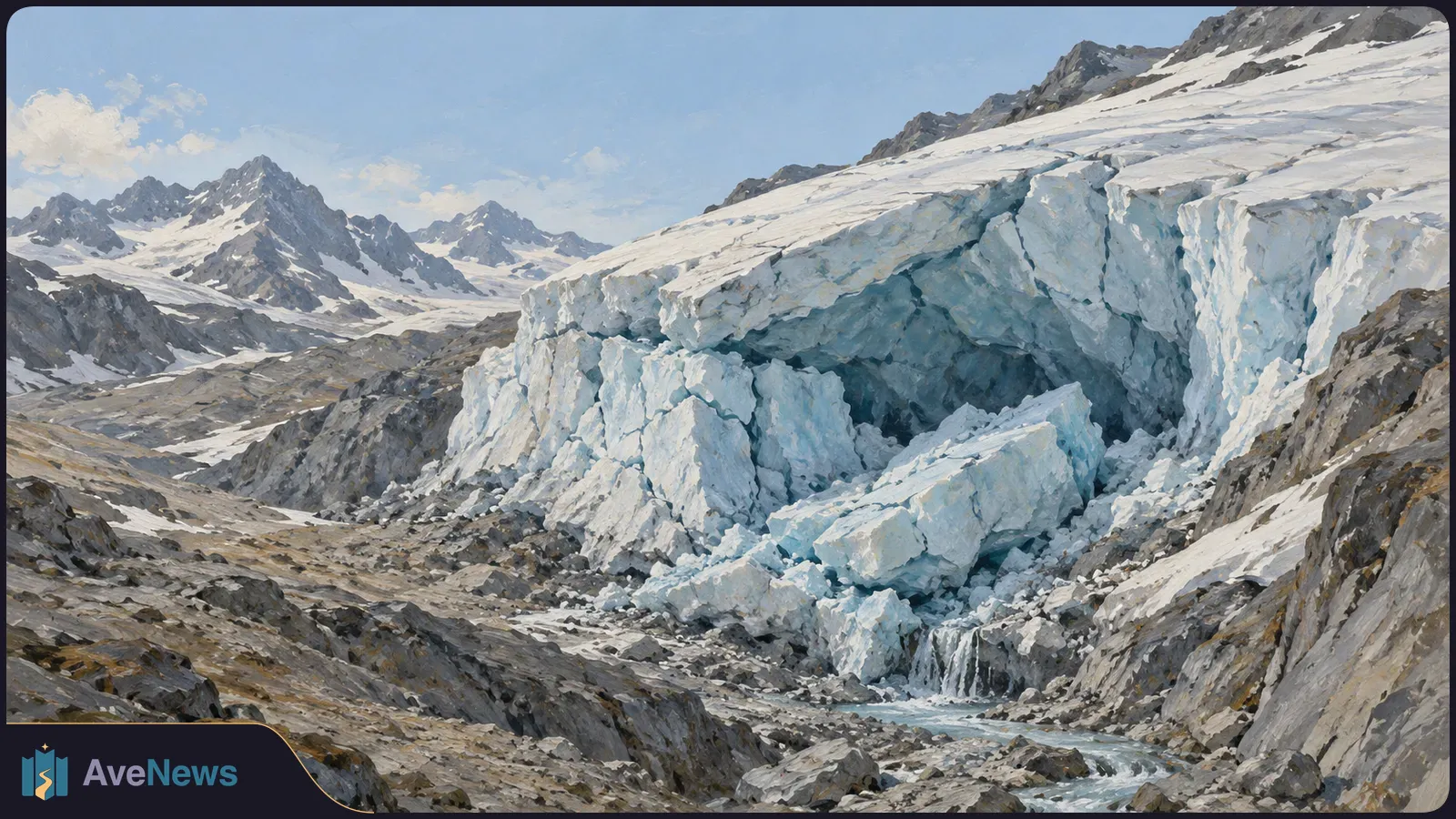
Annual monitoring puts the loss since 2021 at 19.4%, while scientists describe glaciers breaking apart from within.
2 min

The galaxies appear as they were about 500 million years after the Big Bang, suggesting that stars’ chemical products were already spreading into surrounding space.
3 min


